Escalating tensions in the Middle East have unsettled Japan’s government bond market, complicating expectations for the Bank of Japan’s next interest rate move. Investors are reassessing the trajectory of Japanese yields as fears grow that a prolonged conflict could influence energy prices, currency stability and domestic inflation dynamics.
The immediate reaction in Japanese government bonds suggested reduced confidence in an early rate increase. The two year JGB yield, which closely tracks expectations for central bank policy, fell by about 3 basis points to 1.215 percent as global markets reacted to military exchanges involving the United States, Israel and Iran. The drop reflected safe haven demand for bonds amid rising geopolitical risk.
However, the broader outlook remains uncertain. A drawn out conflict could push global oil prices higher, increasing the risk of imported inflation for Japan, a country heavily dependent on energy imports. Higher crude prices tend to weaken the yen by widening trade deficits, adding further upward pressure on domestic prices. This dynamic places the Bank of Japan in a difficult position.
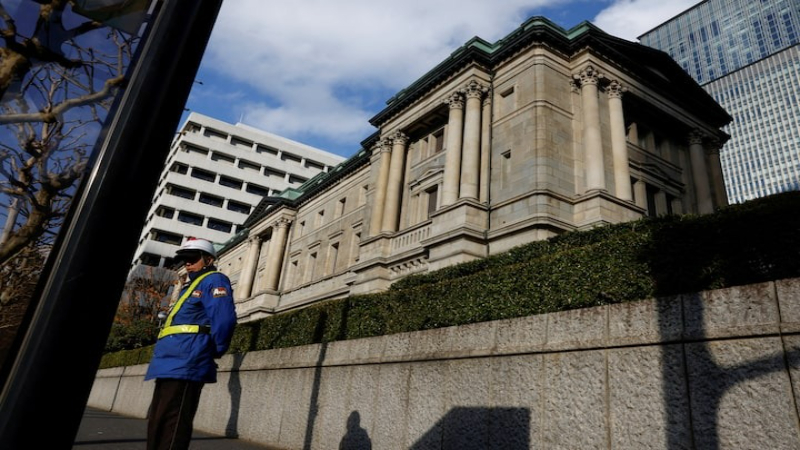
The central bank raised its key policy rate in December as part of a gradual effort to normalize monetary policy after more than a decade of ultra loose stimulus. Officials had signaled that additional rate increases were likely if inflation trends remained aligned with the two percent target. Persistent weakness in the yen had already led some market participants to bring forward expectations for the next hike to as early as April.
Bank of Japan Deputy Governor Ryozo Himino stated that market volatility alone would not prevent a rate increase, though he emphasized that any decision would depend on inflation stabilizing around target levels. His comments underscored the data dependent approach policymakers are taking as global risks intensify.
Analysts are divided over how the Iran crisis will ultimately influence policy. Some strategists argue that if oil prices continue rising and the yen depreciates further, the Bank of Japan may feel compelled to accelerate tightening in order to contain inflation expectations. Others contend that the larger threat lies in slowing global growth, which could weigh on Japan’s export driven economy and justify a pause in rate hikes.
The bond market reflects this push and pull. Haven flows support demand for government debt, pressing yields lower. At the same time, inflation concerns can trigger selling as investors price in tighter monetary policy. Similar dynamics are unfolding in other major economies facing the prospect of stagflationary pressures.
Prime Minister Sanae Takaichi’s administration has also signaled support for expanded fiscal stimulus, adding another layer of complexity. Increased government spending could boost growth but might also influence bond supply and market sentiment.
With energy markets volatile and the yen sensitive to geopolitical developments, investors are closely watching incoming inflation data and currency movements. The evolving situation in the Middle East has injected fresh uncertainty into Japan’s rate outlook, leaving the timing of the next Bank of Japan move increasingly unclear.