Iran Conflict Triggers Energy Price Surge
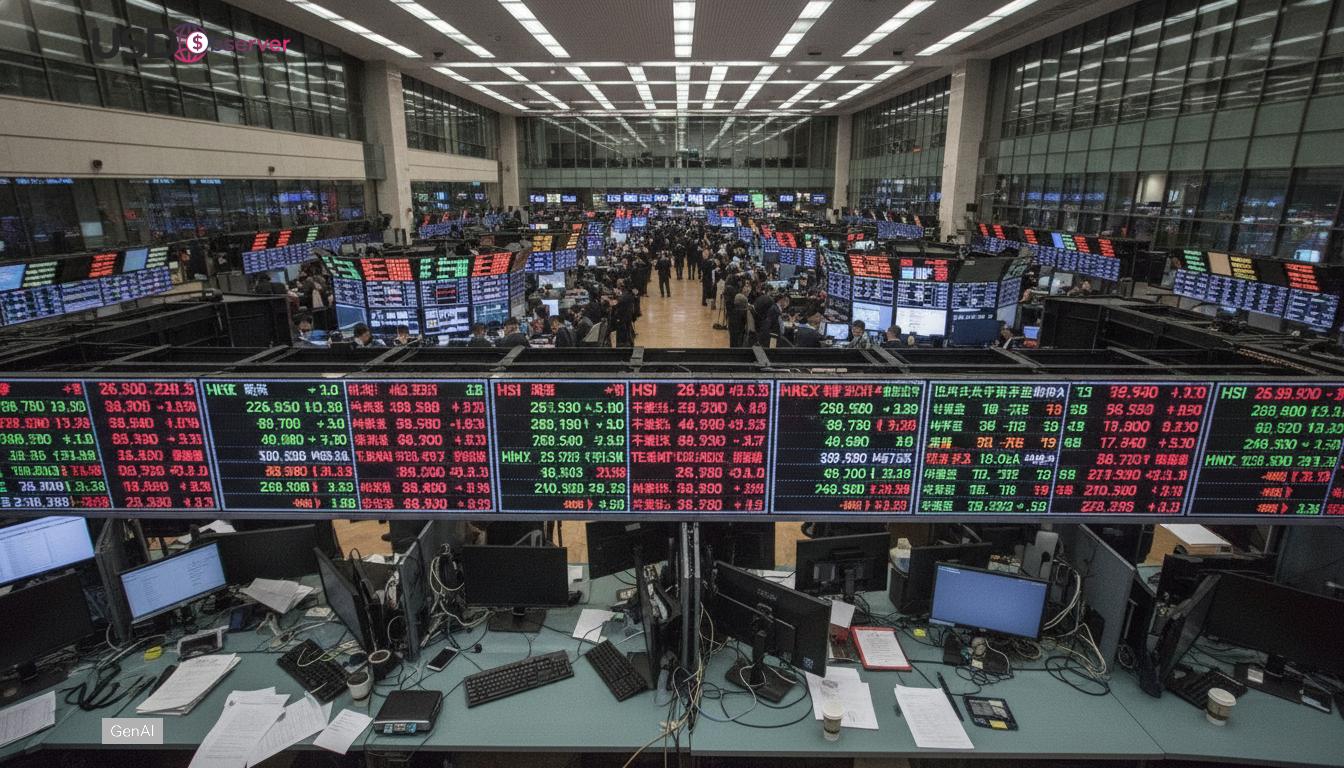
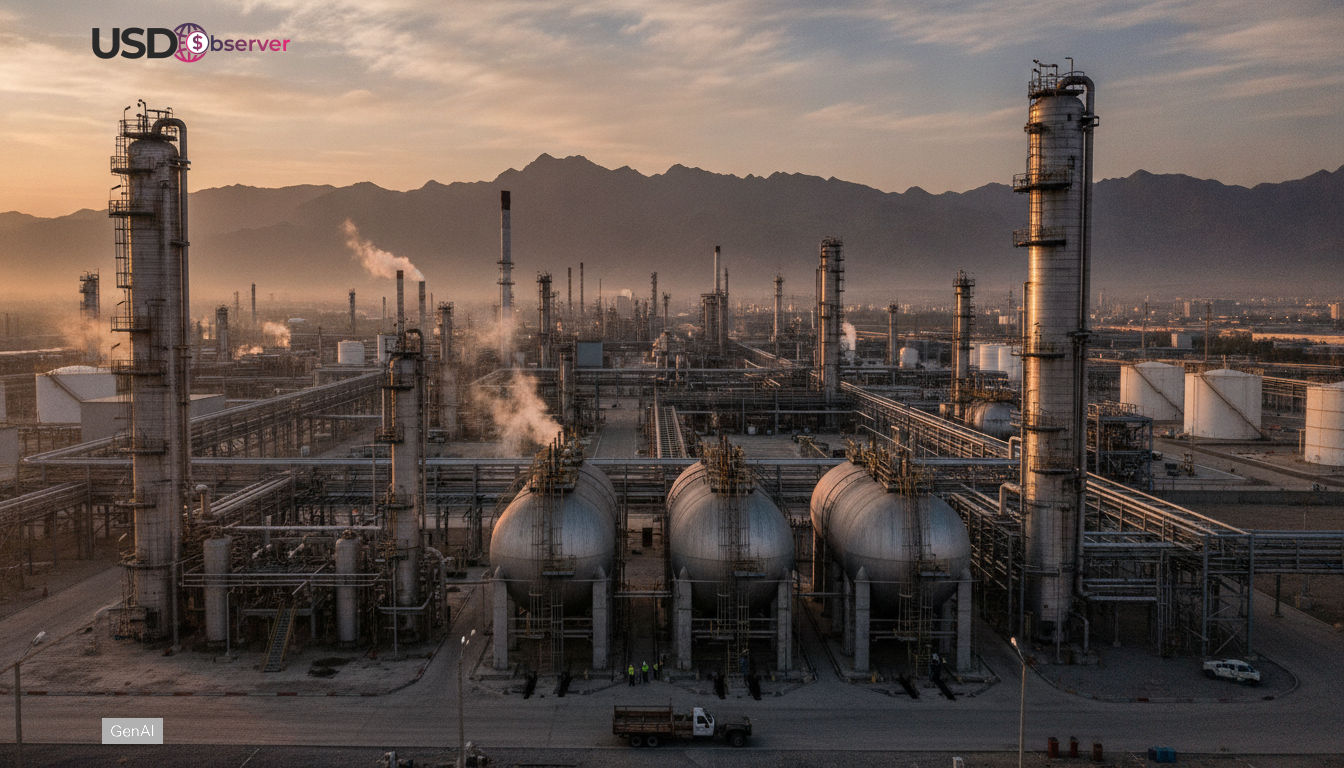
The global energy impact is showing up first in crude benchmarks and refined fuel spreads as traders price tighter shipping risk and higher insurance across key Middle East routes. Today, the premium is being expressed through faster intraday swings in front month oil contracts and a wider gap between crude and products, a pattern that typically feeds pump costs within weeks. Live pricing across futures curves also signals that buyers are paying more for near term barrels than for later delivery, a structure that encourages stock draws rather than rebuilding inventories. The immediate result is not abstract, it is a stronger cost base for transport, heating and industrial inputs, and it is being felt in USD terms even where local currencies soften the first shock.
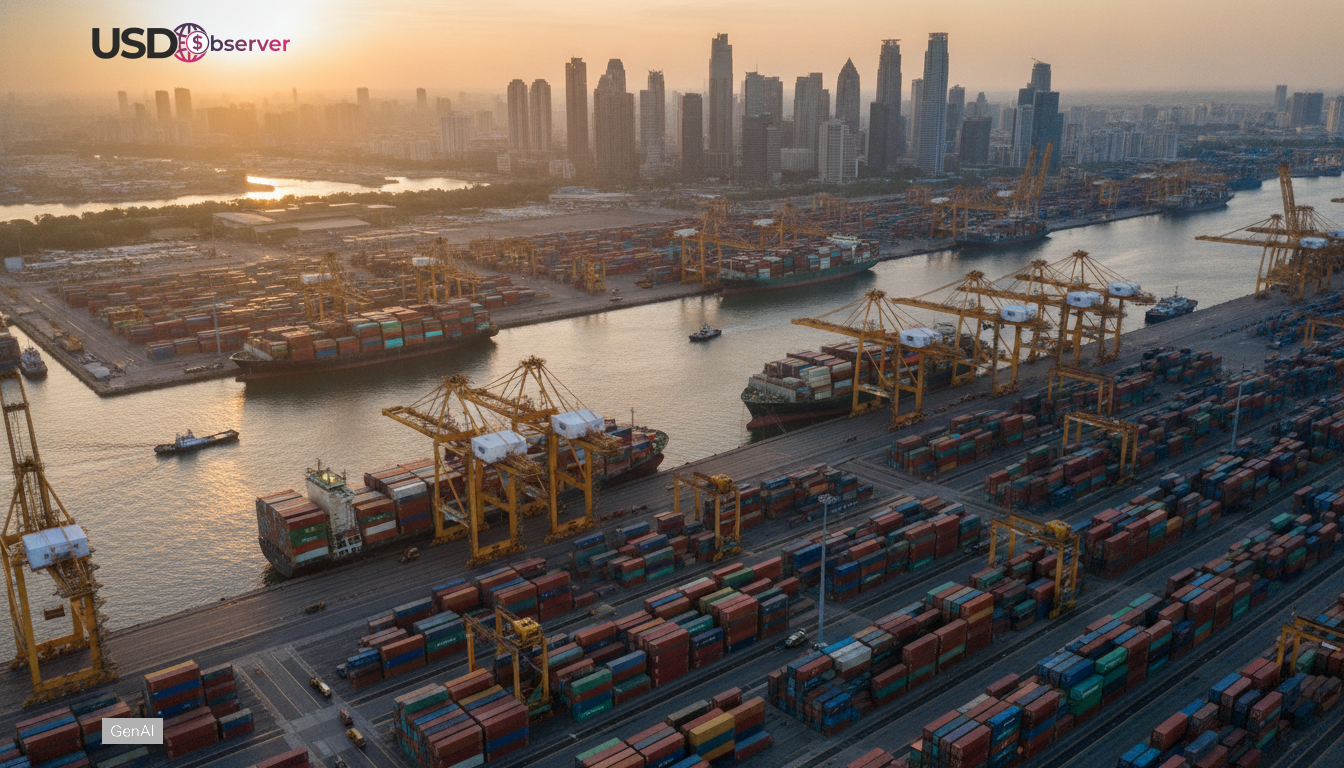
For consumers, petrol prices tend to respond quickly because retail fuel is a high visibility channel that governments and companies cannot easily absorb for long. The transmission from wholesale to the forecourt depends on taxes and inventory cycles, but the direction is clear when product markets tighten at the same time as crude. An Update from market desks highlights how refiners are paying up for replacement cargoes and how freight rates can amplify costs before a barrel is even processed. That same mechanics is visible in airline hedging and logistics surcharges, with carriers adjusting schedules and fares as fuel becomes the decisive operating expense. Related coverage on fuel driven airline route cuts and fare increases tracks how fast higher jet fuel filters into tickets.
Household energy bills move on a slower meter, yet the squeeze can be more persistent once utilities reset tariffs or pass through higher wholesale power and gas costs. Where regulators allow variable pricing, suppliers often reference recent commodity averages, meaning a short spike can linger in bills for months after headline oil retreats. In this environment, financial conditions matter as much as molecules, and the stress can spill into credit markets that finance fuel imports and grid operations. That is why an apparently separate story about liquidity can become relevant, such as the IMF warning on tokenized finance and stablecoin shock risks, because tighter dollar funding raises the cost of paying for energy at the margin. The policy lens is also sharpening around capital flows, with Tether Targets $500B Valuation Amid Investor Deadline illustrating how quickly risk appetite can pivot when macro volatility rises. Live household budgeting is then hit from two sides, higher unit prices and higher financing costs, with little room to delay consumption.
Food inflation accelerates when energy is stressed because petrochemicals sit inside fertilizer, packaging, refrigeration and distribution, and those links are especially sensitive during a Middle East conflict that threatens predictable feedstock pricing. The second round effects show up in wholesale categories that rely on diesel for farm equipment and trucking, plus nitrogen fertilizer that is energy intensive to manufacture. An Update from industry channels often starts with plastics and chemicals margins, but the consumer endpoint is visible on shelf prices for staples that require processing and cold chain storage. This is why the narrative is not just about oil at the pump, it is about the cost structure of modern food systems that price in reliable energy. Reporting cited by major wire services and Bloomberg style market coverage commonly connects refinery output, polymer demand and freight congestion to grocery inflation, even when harvest conditions are stable.
Governments and central banks are responding through credibility and contingency, because confidence in supply routes and pricing is a macro variable that can move currencies, rates and equities. Today, import dependent economies tend to see faster pressure on current accounts, which can weaken FX and make energy even more expensive in local terms, a self reinforcing loop that keeps inflation sticky. The market reaction is often visible in higher volatility and risk premiums, and it shapes how fiscal authorities deploy subsidies, strategic reserves or temporary tax relief without undermining budgets. Live risk management also shows up in corporate behavior, with airlines, shippers and manufacturers adjusting hedges and contracts to secure supply. Analysts tracking crude swings have noted that short dated options become more expensive when geopolitical headlines cluster, and this dynamic is well captured in oil price volatility as Iran war risk rattles markets. For readers following the macro tape, Reuters style reporting on shipping, sanctions enforcement and OPEC policy frequently explains why prices can jump on logistics even without a physical shortage.
Strategies for Low Impact on Personal Finances
Consumers can reduce exposure by focusing on controllable usage and timing rather than trying to predict price peaks, because volatility punishes short term guessing. The most effective moves are usually operational, trimming discretionary driving, consolidating errands and moderating heating and cooling settings, while prioritizing efficiency upgrades that pay back quickly under higher tariffs. An Update in household plans can also involve shifting large electricity loads to off peak periods where tariffs allow, and renegotiating fixed rate supply contracts when spreads normalize. On transport, the best defense against petrol prices is reducing miles driven and improving vehicle efficiency, while keeping an eye on public transport passes when fuel surcharges rise. On groceries, energy driven inflation can be offset by buying less processed items that embed more packaging and refrigeration costs, and by using store brands that carry lower marketing overhead. Live discipline here is about repeatable habits that survive price swings, not about one off sacrifices.