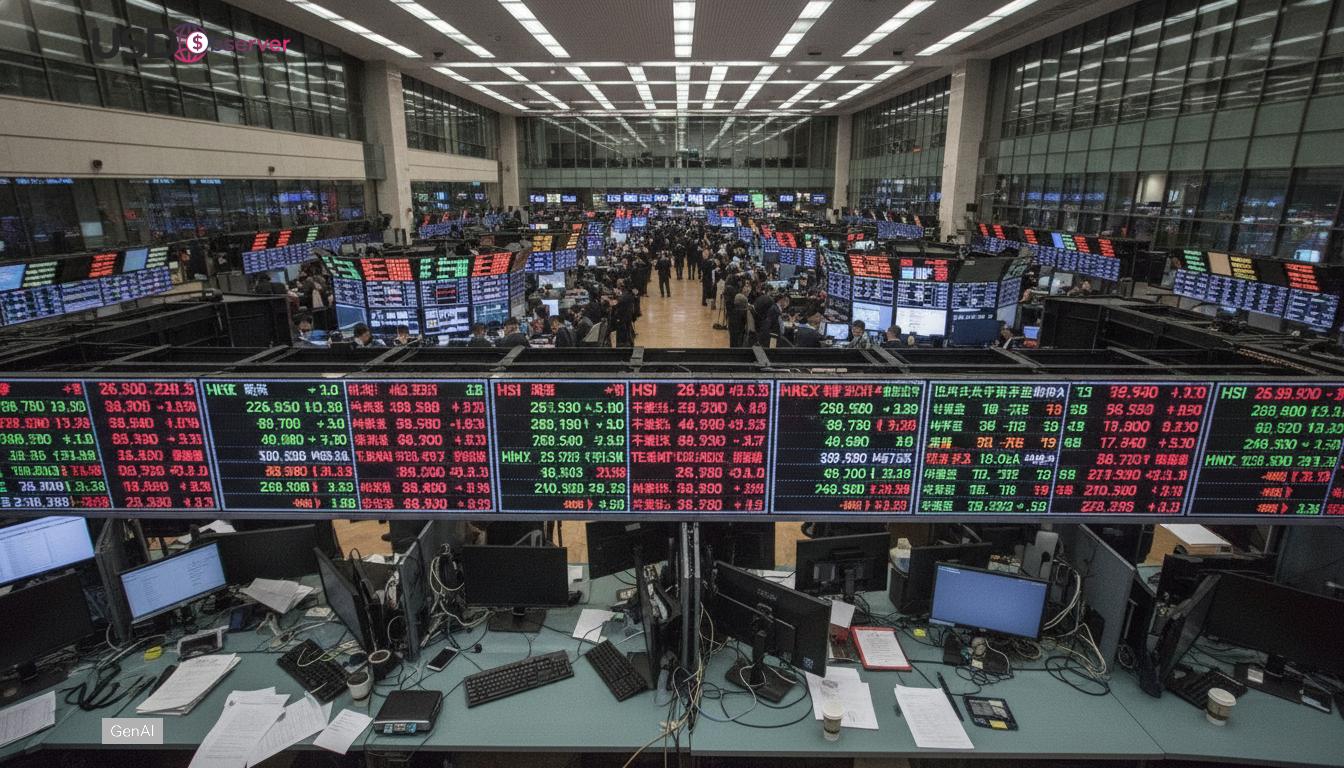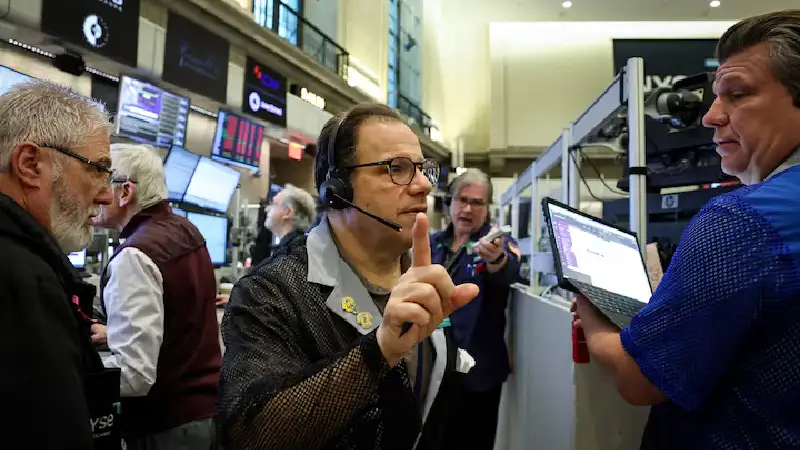
Global investors are showing restraint despite escalating tensions linked to the Iran conflict, choosing not to exit financial markets even as energy prices surge and uncertainty grows. While the first quarter has delivered weaker returns across several asset classes, capital flows suggest that institutions are still positioning for medium term recovery rather than reacting to short term volatility. Equity and bond markets have not seen panic driven selloffs, indicating that investors are attempting to look beyond immediate geopolitical risks. The focus remains on whether the current energy shock will prove temporary or evolve into a longer lasting disruption with deeper economic consequences.
One of the key reasons behind this cautious stability is the belief that geopolitical conflicts affecting oil supply have historically been short lived. Investors continue to monitor structural trends that were driving markets before the crisis, including strong global growth signals and sustained demand linked to artificial intelligence expansion. Even with oil prices rising sharply, markets have previously absorbed periods of elevated energy costs without collapsing, provided that interest rates remain contained and broader financial conditions do not deteriorate significantly. This historical perspective is shaping current investment behavior, encouraging patience rather than abrupt portfolio changes.
However, the situation remains highly uncertain as disruptions in the Strait of Hormuz raise serious concerns about global energy supply. A significant portion of the world’s oil and liquefied natural gas flows through this route, and any prolonged restriction could intensify inflation pressures across economies. Rising energy costs typically feed into transportation, manufacturing and consumer prices, increasing the risk that central banks may need to maintain tighter monetary conditions for longer. The real concern for investors is not just oil prices themselves but the secondary impact on inflation expectations and interest rate trajectories, which directly influence asset valuations worldwide.
Market indicators reflect this cautious environment. Gold has recorded strong gains this year, highlighting underlying anxiety, but its momentum has stabilized following the initial escalation. Traditional safe haven assets such as government bonds and major currencies have shown limited movement, suggesting that investors are not fully shifting into defensive positioning. At the same time, the US dollar has strengthened modestly during March, standing out as one of the few assets gaining traction amid global uncertainty. Equity markets across regions have experienced volatility, yet many indices remain positive on a year to date basis, reinforcing the idea that investors are not abandoning risk exposure entirely.
Investment strategists are increasingly advising against reactive decision making, urging clients to maintain a longer term perspective despite intense headline driven volatility. Portfolio approaches are shifting toward diversification rather than outright risk reduction. This includes balancing exposure across sectors, regions and asset classes while incorporating income generating instruments and alternative investments to manage uncertainty. Expanding allocation beyond US markets is also being considered, which could gradually influence currency dynamics and reduce reliance on dollar concentrated portfolios. The emphasis remains on building resilience rather than attempting to predict short term market movements.
The broader outlook now depends heavily on the duration of the conflict and its impact on energy markets. If tensions ease within weeks, markets may stabilize and return to pre crisis trends supported by growth and technological investment cycles. However, a prolonged disruption extending over several months could alter inflation patterns, delay monetary easing and reshape global investment strategies. Investors are closely watching how energy volatility evolves relative to stock and bond markets, as any divergence could signal deeper structural stress. For now, financial markets remain in a holding pattern, balancing geopolitical risk against expectations of economic continuity.