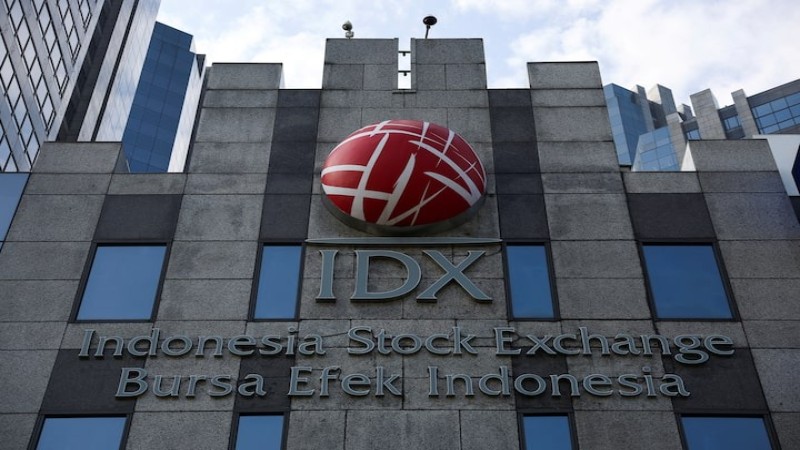
Senior figures at Indonesia’s financial regulator and stock exchange resigned on Friday following a sharp equity market selloff that wiped out roughly $80 billion in value and rattled investor confidence. The departures came days after MSCI warned it could downgrade Indonesian equities to frontier market status, intensifying scrutiny over transparency and governance standards. The resignations included the head of the Financial Services Authority and several senior officials responsible for capital markets oversight, as well as the chief executive of the Indonesia Stock Exchange. The sudden leadership shakeup followed the steepest two day decline in Jakarta stocks since April, underscoring the severity of the market reaction. Although regulators said operations would continue uninterrupted, the scale and timing of the exits highlighted mounting pressure on authorities to restore stability and reassure global investors amid heightened volatility across emerging markets.
The selloff was triggered by a combination of governance concerns and fears of reduced index inclusion, which could force passive funds to cut exposure. MSCI’s warning raised the prospect of Indonesia losing weight in key emerging market benchmarks, a move that could accelerate capital outflows. Officials had earlier attempted to calm markets by pledging reforms and urging investors to remain rational, but confidence remained fragile as foreign investors sold heavily during the two day rout. The benchmark stock index recovered modestly on Friday after authorities outlined corrective measures, though broader sentiment remained cautious. Currency pressure persisted, with the rupiah trading near record weak levels against the U.S. dollar, reflecting investor unease over policy direction and market oversight.
The government moved quickly to signal its commitment to reform, outlining proposals aimed at improving transparency and market depth. Planned measures include raising free float requirements for listed companies, allowing pension and insurance funds to increase equity exposure, and tightening scrutiny of shareholder affiliations. Officials said these steps were designed to address MSCI’s concerns ahead of a review deadline in May. The economic leadership emphasized that Indonesia’s underlying fundamentals remained sound, framing the episode as a temporary confidence shock rather than a structural breakdown. Market participants, however, noted that credibility will depend on swift implementation and clear communication, particularly as global investors reassess risk exposure in emerging economies facing fiscal and political uncertainty.
Broader concerns have also weighed on sentiment, including worries about rising fiscal deficits and increased state involvement in financial markets under President Prabowo Subianto. Recent high profile appointments and past dismissals of respected officials have added to perceptions of weakened institutional independence. Analysts said the resignations could represent an opportunity for a reset if reforms are enacted decisively and governance standards strengthened. Foreign investors were net sellers during the selloff, adding to outflows already seen over the past year. With MSCI’s decision looming, markets are likely to remain sensitive to policy signals, as Indonesia seeks to prevent deeper capital flight and rebuild trust among international investors.