Understanding Trade Deficit Dynamics
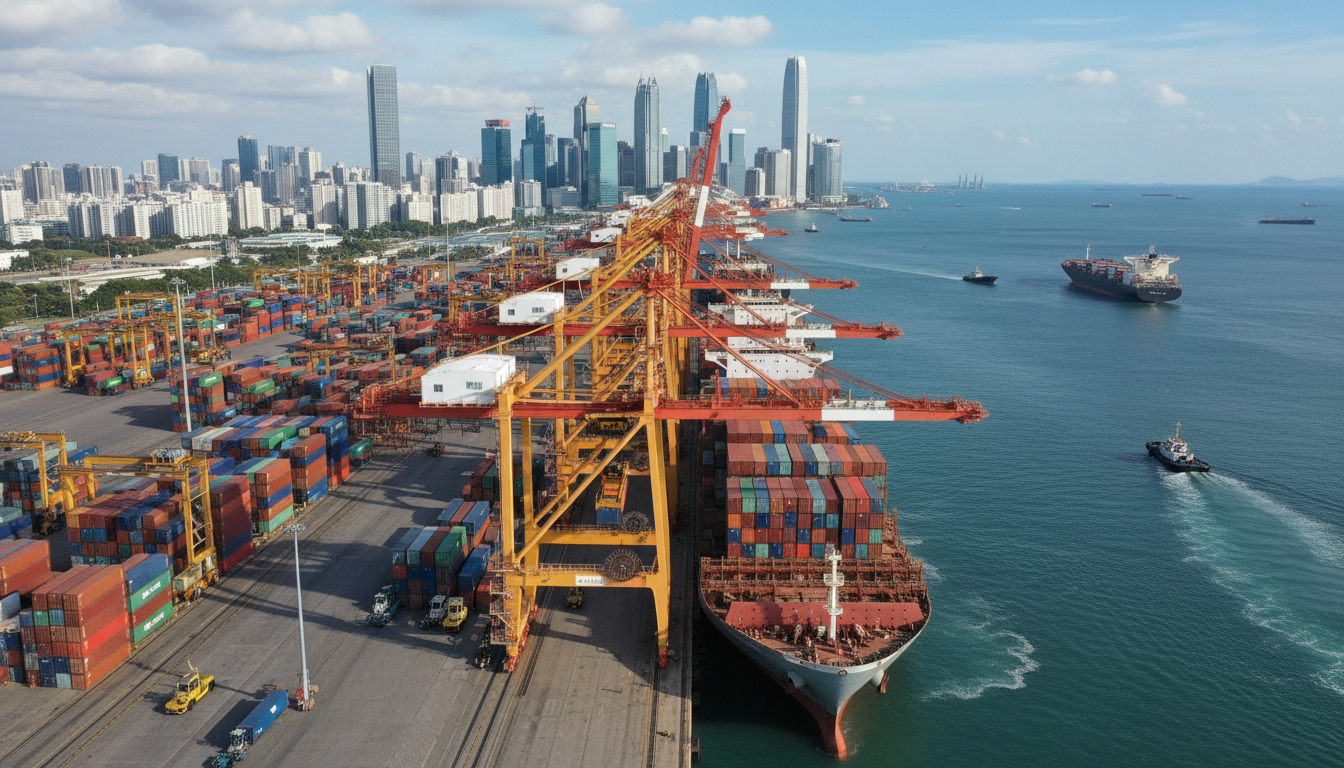
Currency desks are increasingly viewing the trade balance as a critical driver of market shifts today. It directly impacts cross-border payment flows: when importers transact with foreign suppliers, dollars are exchanged for other currencies. This mechanical conversion can create immediate pressure on spot rates. The narrative surrounding the u.s. trade deficit 2025 has also evolved, focusing on how multinationals hedge their invoice exposures and how banks manage net flows across clients. Dealers, in real-time trading, connect this flow to the broader balance of payments, understanding that a current account deficit can be mitigated by capital inflows without leading to a protracted decline.
Immediate Effects on the U.S. Dollar
The U.S. Dollar’s immediate response depends heavily on flow dynamics, which can fluctuate based on market sentiment. An update altering expectations for U.S. interest rates may overshadow trade influence, as yield differentials significantly affect capital allocation. According to Investopedia, a deficit can weaken the currency by indicating heightened demand for foreign currency. However, this outcome hinges on factors like financing and investor appetites for U.S. assets. Simultaneously, traders closely monitor growth indicators, with BBC coverage of U.S. jobs data frequently used to assess whether capital inflows might remain robust. Surprises in the u.s. trade deficit can trigger rapid FX movements.
Long-term Implications for the Economy
Looking at longer horizons, markets tend to differentiate cyclical fluctuations from structural factors that sustain the U.S. external deficits. Portfolio managers are framing discussions about the us trade deficit 2026 around whether foreign investors will continue to buy Treasuries, agency debt, and U.S. equities at rates that effectively offset shortfalls in goods and services. Commentators often connect ongoing deficits to the dollar’s role in invoicing and reserves, suggesting that such factors help maintain demand more consistently than trade statistics alone would indicate. For a better understanding of reserve dynamics, Why the US Dollar Still Anchors Global Reserves elaborates on how institutional reserve allocations bolster liquidity. Currently, the long-term risk premium manifests less in spot pricing and more through hedging costs and term structure considerations.
Policy Approaches to Addressing Deficits
Policymakers typically respond with tariffs, industrial support, and broader macroeconomic measures rather than direct interventions on the exchange rate. A central question in the discussion surrounding u.s. trade deficit 2025 is whether new measures can effectively alter import demand in a timely manner to impact quarterly reports. Adjustments to tariff schedules can influence forward orders and shipping habits, leading to temporary FX flow effects that resemble trend shifts but often dissipate as inventories return to equilibrium. The emergence of stablecoin settlement is also stirring discussions, as it might modify payment structures for cross-border transactions without affecting the underlying balance. Traders often refer to Stablecoin Growth Brings New Risks for Markets Now when assessing factors around payment timing and liquidity. Live desks continue to view policy impacts mainly through the lenses of interest rates, growth data, and risk sentiment.
Forecast for the U.S. Dollar
As FX investors look to the future, they are viewing the dollar’s trajectory as a balance between trade flows and the financing capabilities of U.S. markets. Presently, many financial desks operate under the assumption that the trade deficit narrative is paramount, particularly when it intersects with capital inflow dynamics—especially around auction cycles and earnings repatriation. For expectations surrounding the trade deficit 2025, the key indicators revolve around whether reductions in import activity stem from diminished demand or shifts in supply chains. The former typically exerts downward pressure on the dollar, while the latter could maintain stability. Live market pricing will also reveal how corporations manage hedging strategies and how institutional accounts rebalance after significant market shifts, with positioning updates potentially altering reactions to standard economic data. If financing demand remains strong even amidst considerable gaps, the U.S. Dollar could demonstrate notable resilience.