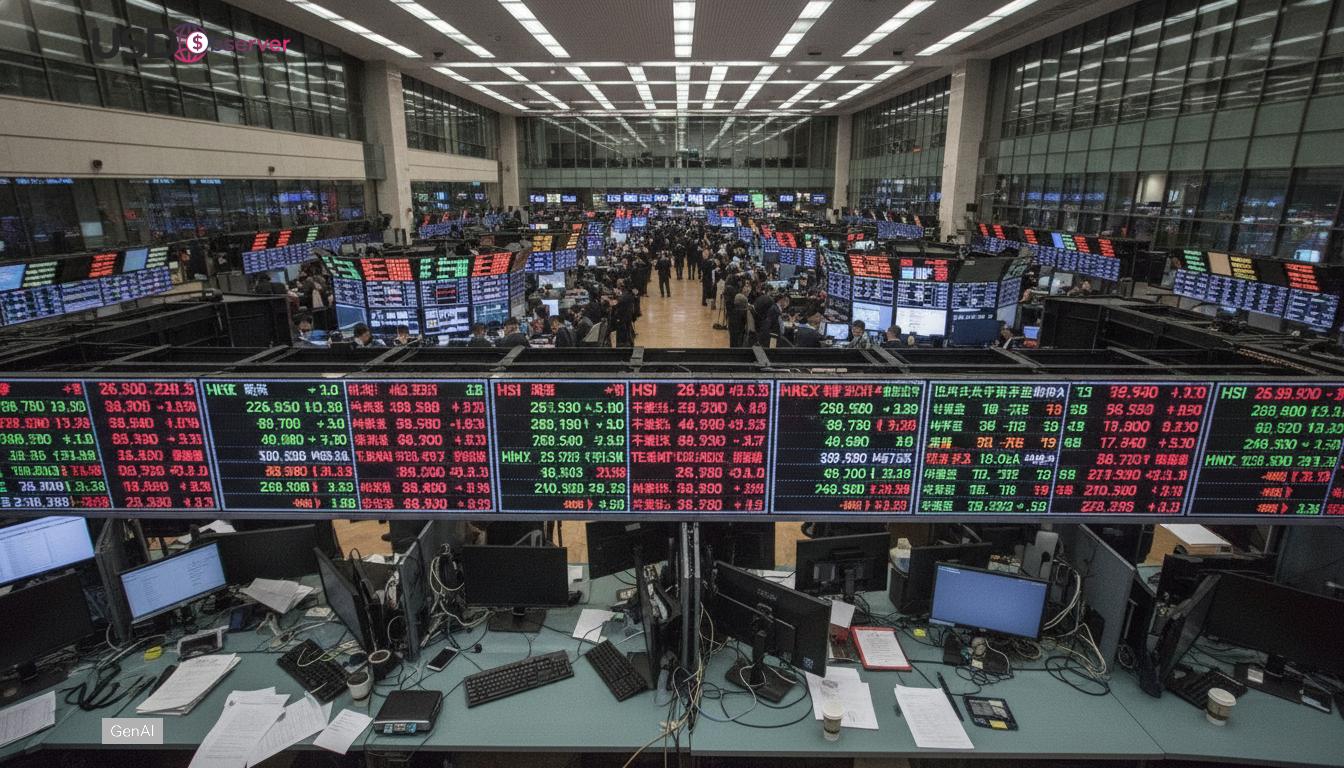
Euro Reaches Parity with US Dollar
Currency desks across Europe opened Today to a sharp repricing as the euro traded at parity against the US dollar, a level closely watched by importers, exporters, and central banks. In Live dealing, traders framed euro dollar parity as a signal that rate differentials and growth expectations remain tilted toward the United States, while energy costs still pressure parts of the euro area. EL PAIS English linked the move to the broader market debate about relative resilience and the cost of dollar funding for firms that invoice in USD. The immediate economic impact is not theoretical, it changes invoices, hedges, and margins in real time for companies settling cross border contracts.
Implications for Global Trade
For European buyers of commodities priced in dollars, Today the parity level mechanically raises the local currency cost of shipments already booked for coming weeks. In a Live environment where suppliers adjust quotes quickly, the effect is most visible in energy and industrial inputs, with pass through depending on contract terms and hedging coverage. Some firms are also turning to stable settlement rails and custody services, highlighted by Tether, TRON tie up to scale crypto security fast, as treasury teams look for operational resilience alongside bank liquidity. As an Update to trade strategy, euro area exporters selling into the US can see improved price competitiveness, but only if logistics and component costs do not rise faster than sales prices. The net effect differs by sector and invoicing currency.
Effects on Forex Markets
In forex markets, parity acts as both a psychological magnet and a liquidity node, with large option strikes and corporate hedges often clustered around round numbers. Trading desks described Today as a session where short term flows mattered as much as macro narratives, especially during Live periods around data releases and central bank communication. Market context also matters beyond EUR USD, as the BBC noted in its coverage of sterling volatility and higher UK borrowing costs in UK borrowing costs rise and pound falls as leadership drama continues. For a separate lens on dollar drivers, readers can compare policy transmission channels in US Dollar Decline in 2025: Causes and Impact. The core takeaway is that parity tightens risk limits and widens intraday ranges.
Potential Impact on Inflation
Parity can feed inflation through imported goods, but the speed depends on how retailers and manufacturers manage inventories and hedges rather than on spot quotes alone. Today, euro area firms with dollar denominated inputs face a higher replacement cost that can show up in producer prices before consumer shelves, an Update that central banks monitor in high frequency surveys. In Live pricing, fuel, chemicals, and some food ingredients are particularly sensitive because global benchmarks are mostly dollar based. The European Central Bank has repeatedly said it targets inflation, not the exchange rate, yet currency weakness can complicate the path if it amplifies imported price pressures. Analysts also watch whether discounting offsets cost shocks, since demand conditions determine how much of the currency move becomes final prices.
Future Currency Forecasts
Forward curves and analyst notes are treating parity less as a single destination and more as a zone where policy expectations are constantly re priced. Today, the dominant variable remains relative interest rates and the credibility of keeping them restrictive, with Live attention on central bank speeches and incoming inflation prints that can flip rate cut timing. As an Update for corporate planning, treasurers are extending hedge tenors and stress testing cash flows under sustained euro to dollar parity, while also revising budgets for euro to dollar settlement costs on supplier contracts. Longer term scenarios remain tied to energy import dependence, productivity, and fiscal settings, but near term forecasts are still driven by positioning and the data calendar. The practical message for businesses is to plan for volatility, not a straight line rebound.