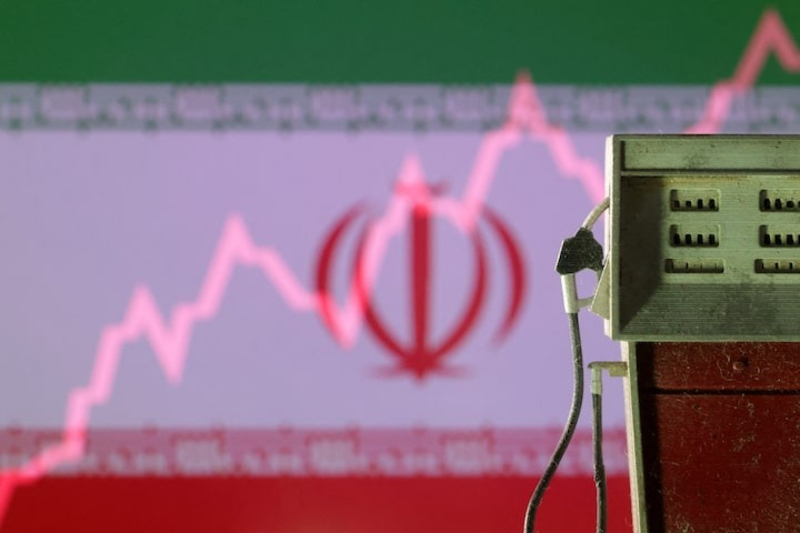
Financial markets around the world are grappling with rising uncertainty as the conflict in the Middle East intensifies, forcing investors to question whether the current turmoil will prove to be a temporary disruption or the beginning of a longer period of global economic instability. The latest escalation has already begun to influence commodity prices, currency movements and equity markets as investors reassess geopolitical risk. The central question for market participants is whether the shock will fade quickly or create lasting disruptions across global trade, energy supply chains and financial markets.
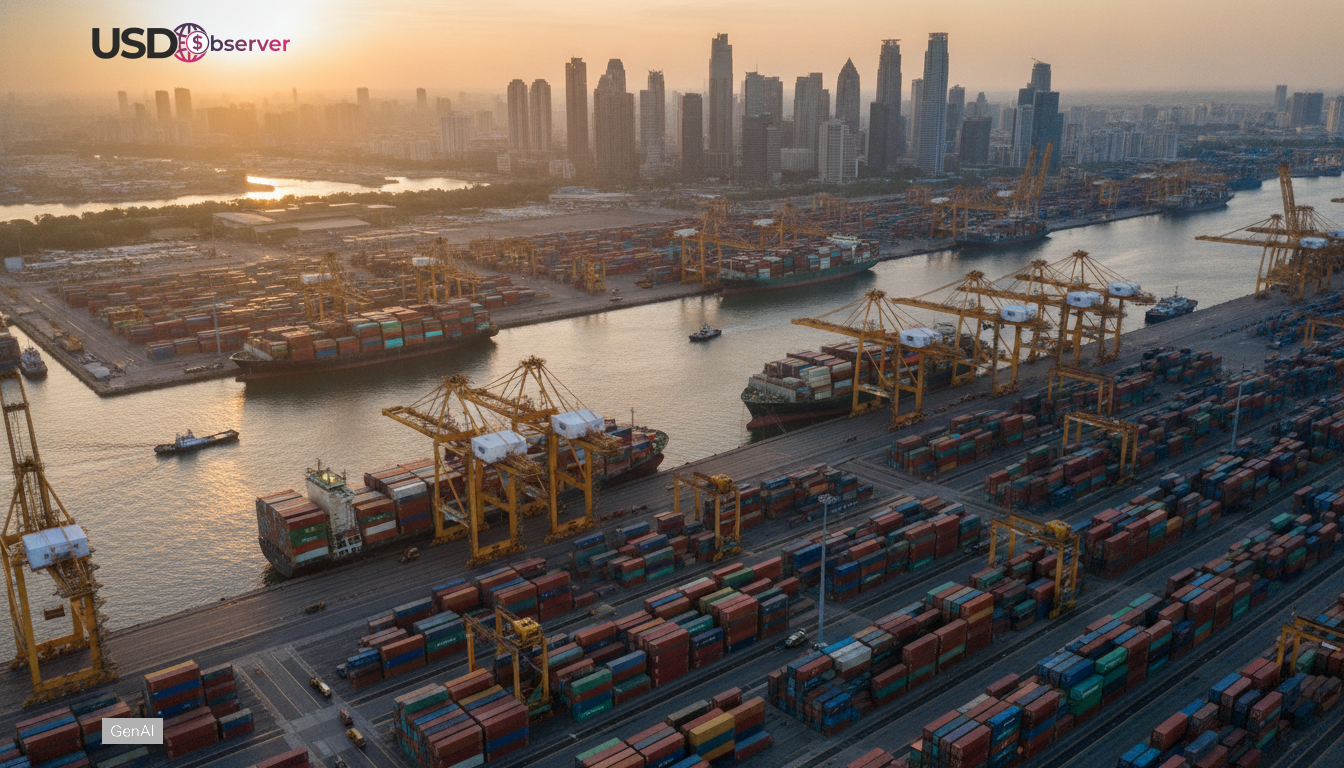
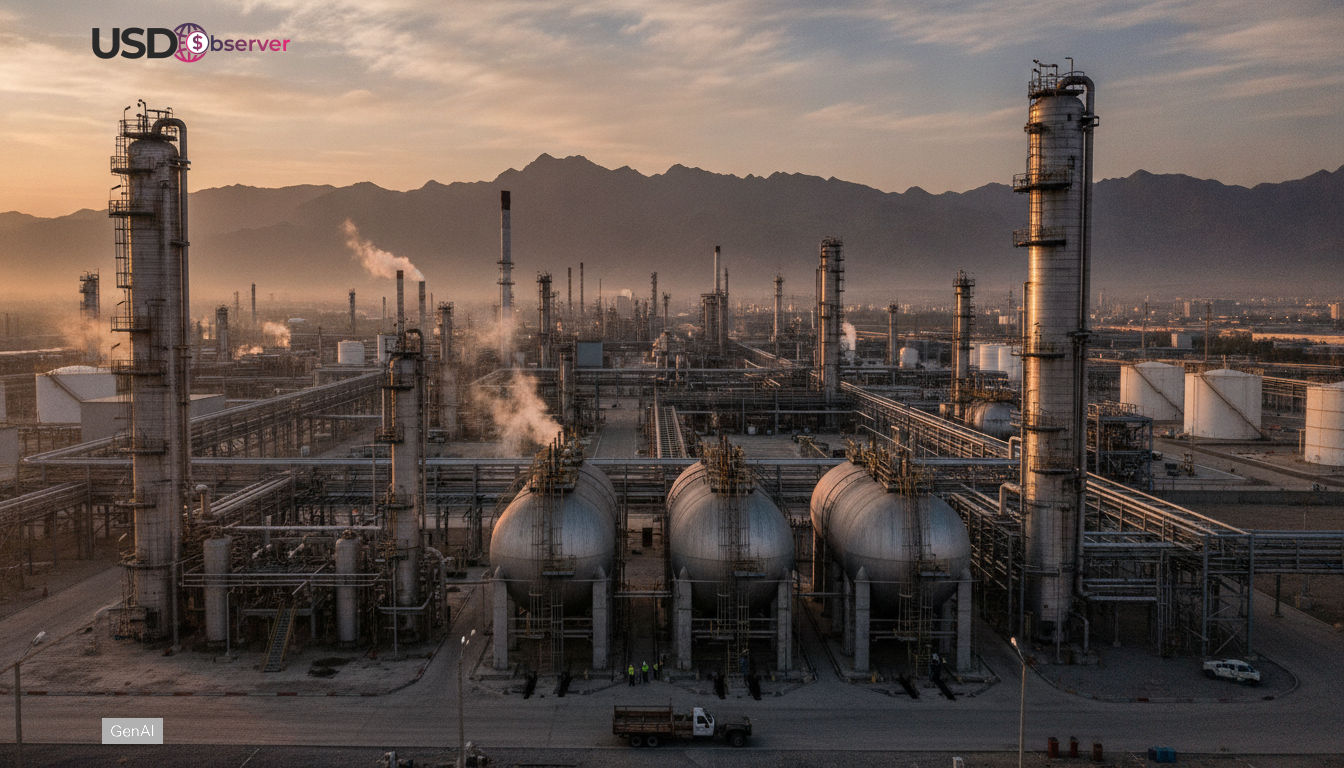
Oil markets reacted immediately to the conflict, with crude prices surging sharply as traders priced in the possibility of prolonged supply disruptions. Energy shipments from the region have been affected by rising tensions and increased risks to key maritime routes, particularly around the Strait of Hormuz. The strategic waterway is one of the most important channels for global oil transport, and any sustained disruption could push energy costs significantly higher. Rising oil prices are already fueling concerns that inflation could reaccelerate in many economies that had only recently begun stabilizing after years of elevated price pressures.
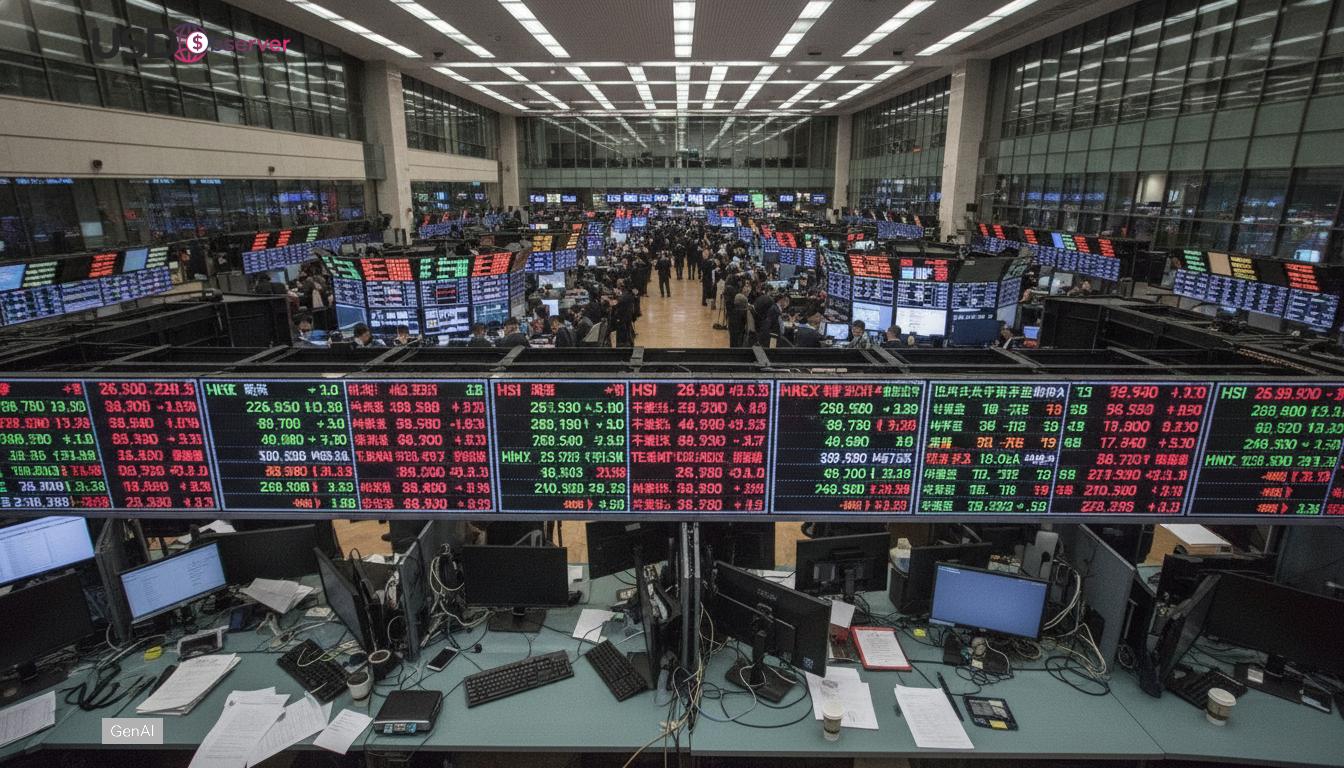
Despite the growing geopolitical tension, global financial markets have shown mixed reactions. Some equity markets have recovered from earlier declines while others remain volatile as investors attempt to gauge the broader economic impact. Asian stock markets showed signs of resilience during recent trading sessions, while futures markets in Europe and the United States have fluctuated as investors shift between risk taking and defensive positioning. The uncertainty surrounding the duration and scale of the conflict continues to create sharp swings in market sentiment.
Gold has also regained attention as investors seek protection against geopolitical and economic uncertainty. The precious metal often performs well during periods of instability as it is viewed as a store of value that is not directly tied to any national currency. Rising gold prices reflect a growing demand for defensive assets as investors diversify portfolios away from riskier investments. However analysts note that movements in gold prices can still be volatile when investors liquidate profitable positions to cover losses elsewhere in their portfolios.
International financial institutions have warned that the conflict could introduce new challenges for the global economy if it continues to escalate. Rising energy prices, disruptions to shipping routes and reduced business confidence could collectively weigh on economic growth in multiple regions. Economies heavily dependent on imported energy may face particular challenges if supply constraints persist. These risks are especially significant for European and Asian economies that rely on energy shipments passing through the Middle East.
China’s economic policy developments have also attracted attention during this period of global uncertainty. The country’s leadership recently signaled a slightly slower economic growth target for the year as authorities seek to rebalance the economy toward stronger domestic consumption. Financial markets interpreted the policy direction as an effort to stabilize long term growth while managing industrial restructuring. Chinese equity markets responded positively to the announcement, suggesting that investors remain attentive to policy signals from the world’s second largest economy.
In Europe and the United States, economic data and central bank communication will play an important role in shaping investor expectations during the coming weeks. Indicators related to employment, productivity and consumer spending are being closely watched to assess how resilient major economies remain amid geopolitical uncertainty. Market participants are also monitoring comments from central bank officials regarding inflation risks and interest rate policy as rising energy costs could complicate monetary policy decisions.
The evolving geopolitical landscape is forcing investors and policymakers alike to consider how prolonged instability could reshape global financial conditions. As energy markets react, trade routes face disruption and capital flows adjust to new risks, the broader question remains how global markets will adapt to a world increasingly shaped by geopolitical tensions and shifting economic alliances.