Global liquidity conditions at the end of 2025 present a pattern that is easy to miss if the focus remains fixed on U.S. markets alone. While domestic indicators suggest relative stability, early signs of tightening and adjustment are appearing more clearly outside the United States. This is where the concept of a dollar floor becomes most visible.
The dollar floor refers to the level at which dollar liquidity stops loosening and begins to constrain behavior. It does not arrive everywhere at the same time. In this cycle, it is showing up first in offshore markets, cross border funding channels, and foreign exchange instruments rather than in U.S. credit conditions.
Understanding this sequencing is critical for interpreting global market behavior going into 2026.
Why the Dollar Floor Appears Offshore First
The U.S. sits at the center of the global dollar system, which gives domestic markets natural insulation. Liquidity adjustments tend to propagate outward before feeding back in. Offshore borrowers, international banks, and emerging market institutions often feel changes in dollar availability earlier than U.S. households or firms.
In 2025, this dynamic became more pronounced. Even as U.S. financial conditions appeared manageable, dollar sensitive markets abroad began to show signs of constraint. Funding costs rose at the margin, hedging became more expensive, and access to flexible dollar liquidity narrowed.
This does not imply crisis. It reflects normalization after years of abundant liquidity. The key point is timing. Global markets adjust first, and domestic conditions follow later if the trend persists.
Cross Border Funding as an Early Signal
One of the clearest indicators of the dollar floor is cross border funding behavior. When dollar liquidity is ample, offshore funding is cheap and readily available. When it tightens, spreads widen and institutions become more selective.
By late 2025, these shifts were visible. International borrowers faced higher rollover costs, and banks managed dollar balance sheets more cautiously. This influenced lending decisions and reduced risk appetite in regions dependent on external funding.
These changes tend to appear gradually rather than abruptly. That is why they are often overlooked. Yet they matter because they shape capital flows, investment decisions, and currency behavior before stress becomes visible in headline markets.
FX Markets Reveal Liquidity Stress Early
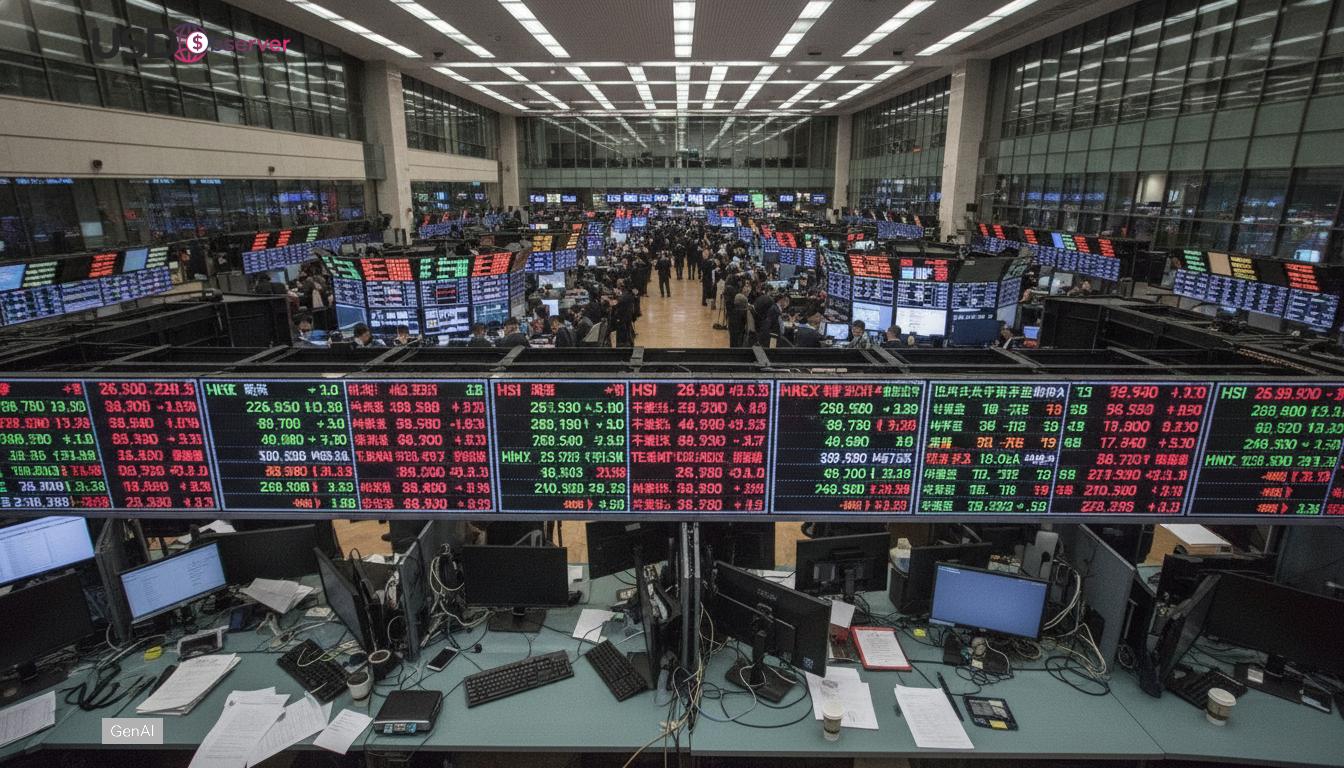
Foreign exchange markets often act as the first transmission channel for dollar liquidity shifts. When funding becomes less flexible, demand for hedging increases and forward markets adjust. Spot prices may remain stable, but the structure beneath them changes.
In 2025, this was evident in forward premiums, swap markets, and basis spreads. These instruments reflected a subtle tightening even as volatility stayed contained. For market participants, these signals matter more than spot moves because they reveal constraints forming under the surface.
This is why the dollar floor often shows up outside the U.S. first. FX markets absorb and express funding pressure faster than domestic credit markets do.
Why U.S. Markets Still Look Calm
The relative calm in U.S. markets does not contradict the presence of a dollar floor abroad. Domestic liquidity benefits from scale, policy support, and structural demand for dollar assets. This allows U.S. conditions to remain stable longer.
In addition, U.S. borrowers tend to access funding in their own currency, reducing exposure to cross border stress. This delays the impact of global liquidity adjustments. However, it does not eliminate it entirely.
If offshore tightening persists, it eventually feeds back through trade, investment, and financial channels. That is why global signals should not be ignored simply because domestic indicators appear benign.
Implications for Global Markets in 2026
As markets move into 2026, the location of the dollar floor has important implications. It suggests that global growth and asset performance will be shaped by external liquidity constraints before domestic ones. Regions reliant on dollar funding may face pressure earlier, while the U.S. experiences a lagged effect.
This environment favors selectivity. Assets and economies with strong internal funding bases are better positioned than those dependent on cross border flows. It also reinforces the importance of monitoring funding markets rather than focusing solely on policy rates.
For investors and policymakers, the message is clear. Liquidity cycles do not turn everywhere at once. Watching where stress appears first provides valuable insight into where it may go next.
What to Watch Going Forward
Key indicators to monitor include offshore funding costs, FX swap markets, and international bank balance sheet behavior. These areas often signal tightening before it becomes visible in domestic lending or consumption data.
If these pressures ease, the dollar floor may remain contained offshore. If they intensify, broader adjustment may follow. Either way, the sequencing offers a roadmap for understanding global liquidity dynamics.
Conclusion
The global liquidity picture at the end of 2025 shows the dollar floor emerging outside the United States first. Offshore funding markets and FX structures are absorbing adjustment earlier than domestic credit conditions. This sequencing does not signal crisis, but it does highlight where pressure is building. As 2026 approaches, recognizing where liquidity tightens first will be essential for navigating global markets and policy expectations.