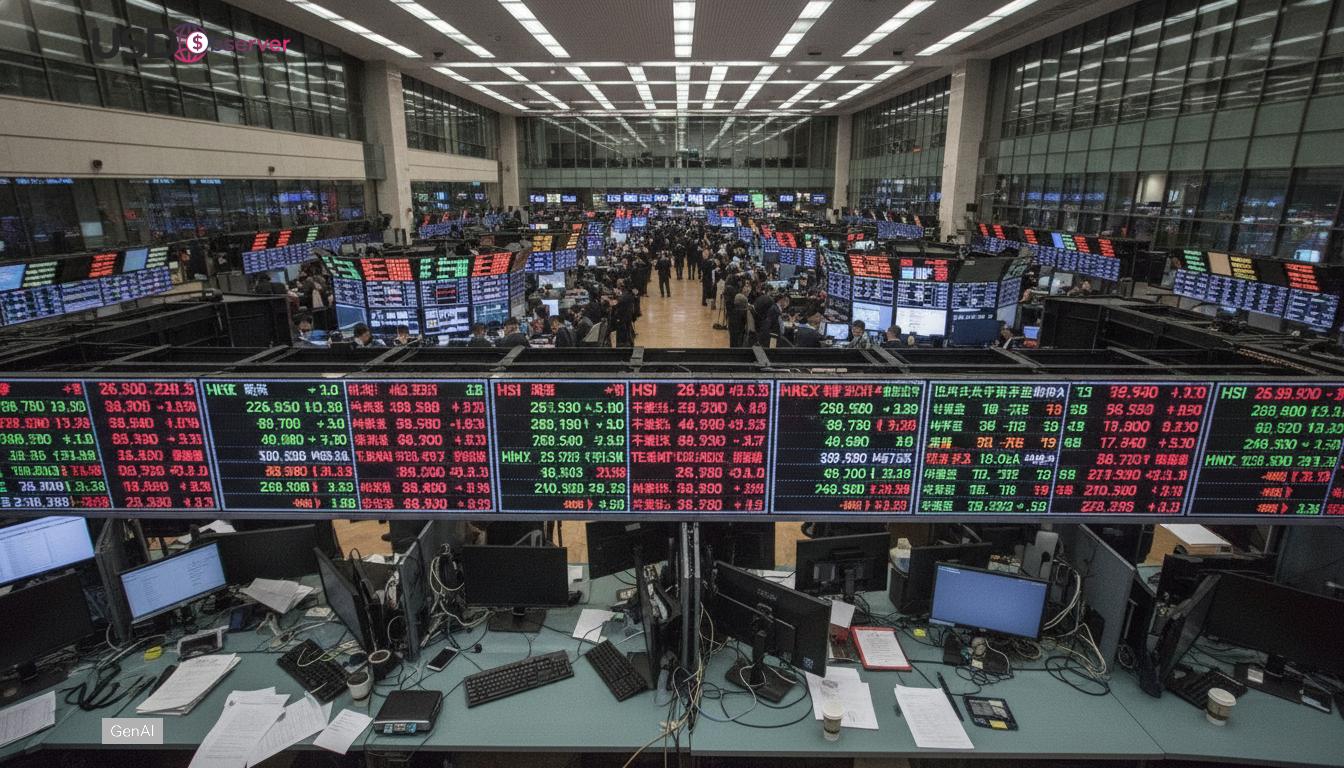
The global economy enters 2026 with a clear divide that challenges any single narrative about recovery or slowdown. Manufacturing activity across parts of Asia has begun to stabilize and, in some cases, rebound, while Europe continues to struggle with weak industrial momentum. This split-screen growth pattern is becoming one of the defining macro themes of the year.
Rather than moving in sync, major economic regions are responding differently to easing inflation, shifting policy expectations, and post-pandemic structural pressures. For analysts and investors, understanding this divergence is critical because it shapes trade flows, currency behavior, and global risk sentiment in ways that aggregate growth numbers fail to capture.
Asia’s Manufacturing Recovery Is Gaining Traction
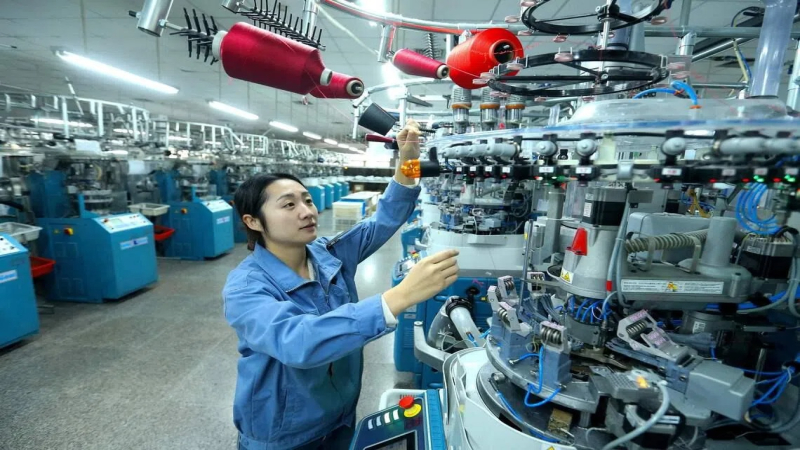
Manufacturing conditions in several Asian economies have improved as external demand stabilizes and domestic supply chains adjust. Export oriented sectors tied to electronics, machinery, and intermediate goods have shown renewed activity, supported by gradual recovery in global trade volumes. This rebound is not uniform, but it is broad enough to signal a change from last year’s contractionary trend.
Policy support has also played a role. Targeted fiscal measures, infrastructure spending, and accommodative monetary conditions have helped offset weak global demand. Importantly, many Asian manufacturers entered this phase with healthier balance sheets and lower energy costs compared to their European counterparts, allowing them to respond more quickly when demand stabilized.
Supply Chains and Trade Dynamics Favor Asia
Asia’s position within global supply chains continues to provide structural advantages. As firms diversify sourcing and adjust inventories, regional manufacturing hubs benefit from both near term restocking and longer term reconfiguration of trade routes. These dynamics support factory output even when final demand growth remains modest.
In addition, several Asian economies have benefited from relatively stable currency conditions, limiting imported inflation and preserving competitiveness. This has allowed manufacturers to maintain margins and expand output without facing the same cost pressures seen elsewhere.
Europe’s Manufacturing Sector Remains Under Pressure
In contrast, Europe’s manufacturing sector continues to face persistent headwinds. Weak domestic demand, elevated energy costs compared to pre crisis levels, and tighter financial conditions have weighed heavily on industrial activity. Even as inflation eases, uncertainty around growth and policy limits investment appetite.
Structural factors amplify these challenges. Europe’s industrial base is more exposed to energy intensive production and global competition, while fiscal constraints reduce the scope for aggressive stimulus. As a result, manufacturing indicators remain below expansion levels, signaling ongoing stagnation rather than recovery.
Policy Constraints Deepen the Divergence
Policy flexibility differs sharply between regions. Many Asian governments have room to support growth through targeted measures without destabilizing public finances. In Europe, concerns over debt sustainability and fiscal rules restrict the ability to respond forcefully to industrial weakness.
Monetary policy also plays a role. While central banks across regions are moving toward easier settings, the transmission into real activity varies. In Europe, tighter credit conditions and cautious business sentiment limit the impact of rate relief, prolonging the manufacturing slowdown.
Implications for Global Growth and Markets
This regional divergence complicates the global outlook. Stronger manufacturing in Asia supports global trade volumes and commodity demand, but Europe’s weakness drags on overall growth momentum. The result is a world economy that expands unevenly, with pockets of resilience alongside persistent softness.
For markets, this split screen environment increases sensitivity to regional data and policy signals. Currency and equity performance diverge by geography rather than moving in broad global cycles. Investors increasingly need to differentiate rather than rely on global beta exposures.
Why the Split-Screen Pattern Matters in 2026
The contrast between Asia and Europe highlights a broader shift away from synchronized global cycles. Economic outcomes are increasingly shaped by local structures, policy space, and exposure to global shocks. This makes forecasting more complex but also more granular.
For policymakers, the divergence underscores the limits of one size fits all solutions. For investors, it reinforces the importance of regional analysis and selective positioning. Global growth in 2026 is not collapsing, but it is fragmenting.
Conclusion
The 2026 global growth outlook is defined by divergence rather than uniform recovery. Asia’s manufacturing rebound offers a source of stability for the global economy, while Europe’s stalled industrial sector remains a drag. Understanding this split screen dynamic is essential for interpreting macro data, assessing risk, and navigating an increasingly fragmented global landscape.