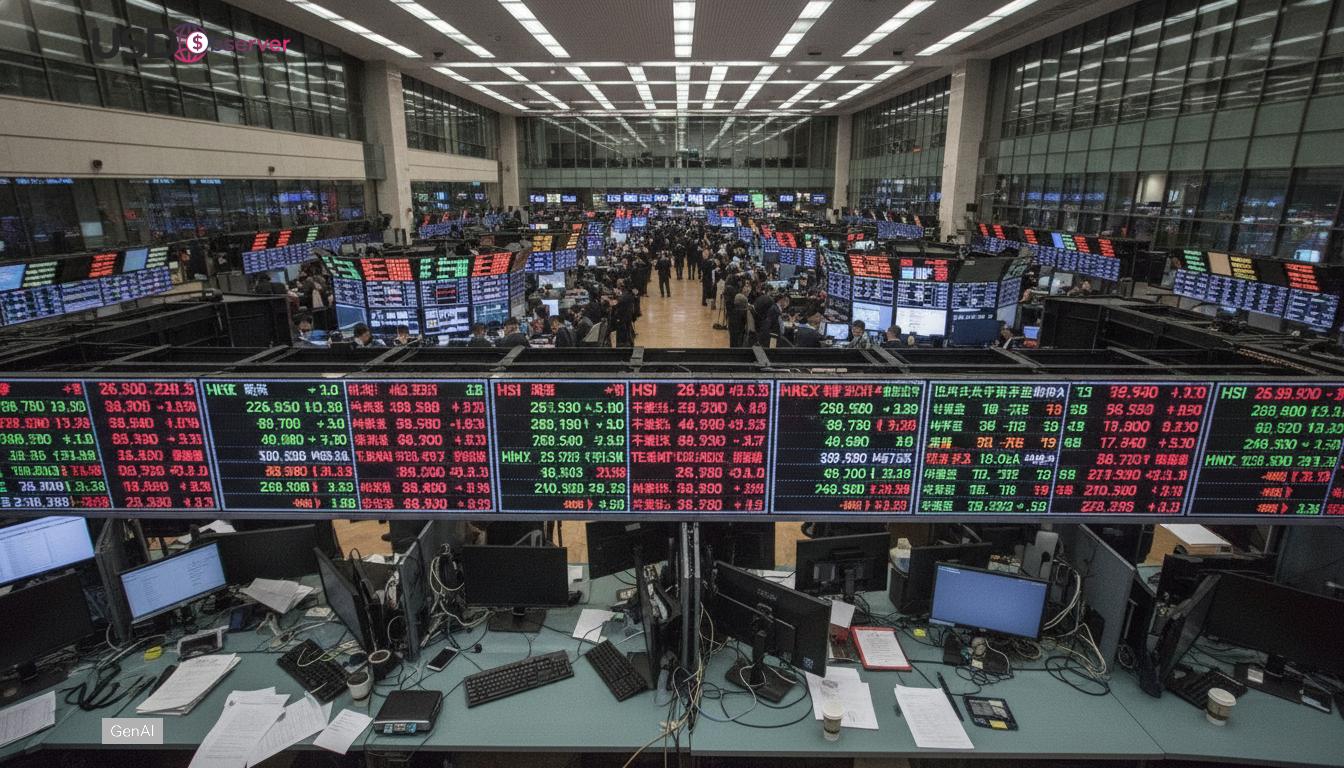
At the start of 2026, the global economy appears to be holding together better than many expected. Growth forecasts have stabilized, recession risks have faded, and major economies are showing enough momentum to sustain activity. Financial markets have taken comfort in this apparent resilience, pricing a world that is slowing but not breaking.
Beneath this surface stability, however, the margin for error has narrowed considerably. Growth is increasingly dependent on a small set of supportive factors while buffers that once absorbed shocks have thinned. This creates an environment where the economy can look stable right up until it is not, leaving markets vulnerable to abrupt reassessment.
Stability Is Concentrated Not Broad Based
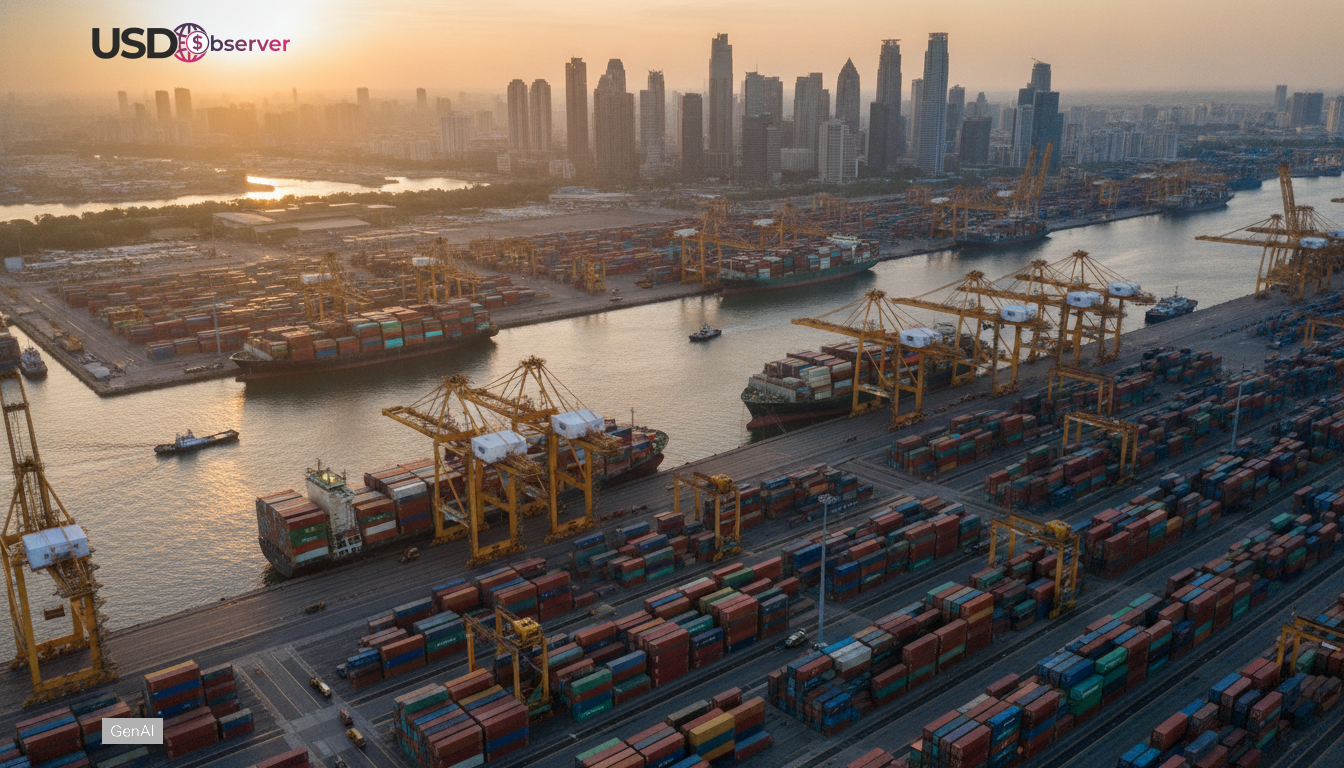
The most important feature of current global growth is how concentrated it has become. Activity is being supported by a limited number of sectors, regions, and policy offsets rather than by broad based expansion. Services remain resilient in many economies, while public spending and past stimulus continue to provide lift. At the same time, manufacturing, trade sensitive sectors, and credit driven investment remain subdued.
This imbalance matters because it reduces shock absorption. When growth depends on fewer pillars, any disruption carries greater impact. A slowdown in consumption, a policy misstep, or a financial tightening can ripple more quickly through the system. The economy may not be fragile in absolute terms, but it is less forgiving than headline growth numbers suggest.
Policy Space Is Narrower Than It Appears
Another reason the margin for error is shrinking is the limited policy flexibility available to governments and central banks. Interest rates remain well above pre pandemic norms, constraining the ability to respond aggressively to new shocks. Fiscal space is also tighter, with higher debt servicing costs limiting the scope for broad stimulus.
This means that policymakers must be more precise. Small mistakes can have outsized consequences because there is less room to offset them. Markets are increasingly aware of this constraint, which is why reactions to policy communication and fiscal developments have become more sensitive even when growth appears steady.
The stability being priced is conditional on policy discipline and careful sequencing. That is a demanding requirement in a complex global environment.
Global Growth Is Sensitive to Financial Conditions
Financial conditions play a larger role in sustaining growth than many realize. Credit availability, funding costs, and liquidity flows are acting as quiet stabilizers. As long as financial conditions do not tighten materially, growth can continue at a modest pace.
The risk lies in the feedback loop. Even small shifts in rates, risk appetite, or funding markets can tighten conditions enough to slow activity. Because growth momentum is modest, it does not take a dramatic tightening to have an effect. This sensitivity increases the chance that markets underestimate downside risks during periods of calm.
The absence of stress today does not guarantee resilience tomorrow. It reflects conditions that can change faster than real economic data.
External Shocks Carry More Weight
A narrower margin for error also means external shocks carry more weight. Geopolitical disruptions, commodity price swings, or trade policy changes can have a larger impact when growth buffers are thin. In a more robust cycle, such shocks might slow growth temporarily. In the current environment, they risk tipping sentiment and financial conditions more decisively.
This is why markets are reacting more strongly to global events even when their direct economic impact appears limited. The concern is not the immediate effect but the cumulative pressure on an already constrained system.
Growth stability today depends on things continuing to go right. That is a more precarious foundation than it appears.
What This Means for Markets and Policy in 2026
For investors and policymakers, the key takeaway is that stable growth should not be confused with comfortable growth. The global economy can continue expanding while becoming more vulnerable to errors and shocks. This requires a shift in mindset from celebrating resilience to managing fragility.
Markets that price stability without accounting for this shrinking margin risk abrupt repricing when conditions change. Policymakers face the challenge of supporting growth without exhausting limited tools. In both cases, vigilance matters more than optimism.
Understanding where the buffers are thin helps explain why volatility can return quickly after periods of calm. The system has less slack than headline numbers imply.
Conclusion
Global growth in 2026 looks stable, but that stability rests on a narrow foundation. Concentrated support, limited policy space, and sensitivity to financial conditions have reduced the margin for error. Recognizing this fragility is essential for interpreting market behavior and assessing risks in an economy that appears steady but remains exposed.