As markets move toward 2026, global growth expectations are shifting lower across multiple regions. The cooling is not uniform, and that unevenness is shaping how capital moves and how currencies respond. For the US dollar, these changes matter because growth differentials remain one of the most powerful drivers of demand.
Rather than a synchronized slowdown, the global economy is entering a phase where certain regions decelerate earlier and more sharply than others. This divergence is already influencing trade flows, investment decisions, and funding patterns. Understanding where growth cools first helps explain why USD demand remains resilient even as US growth also moderates.
Where Global Growth Is Losing Momentum First
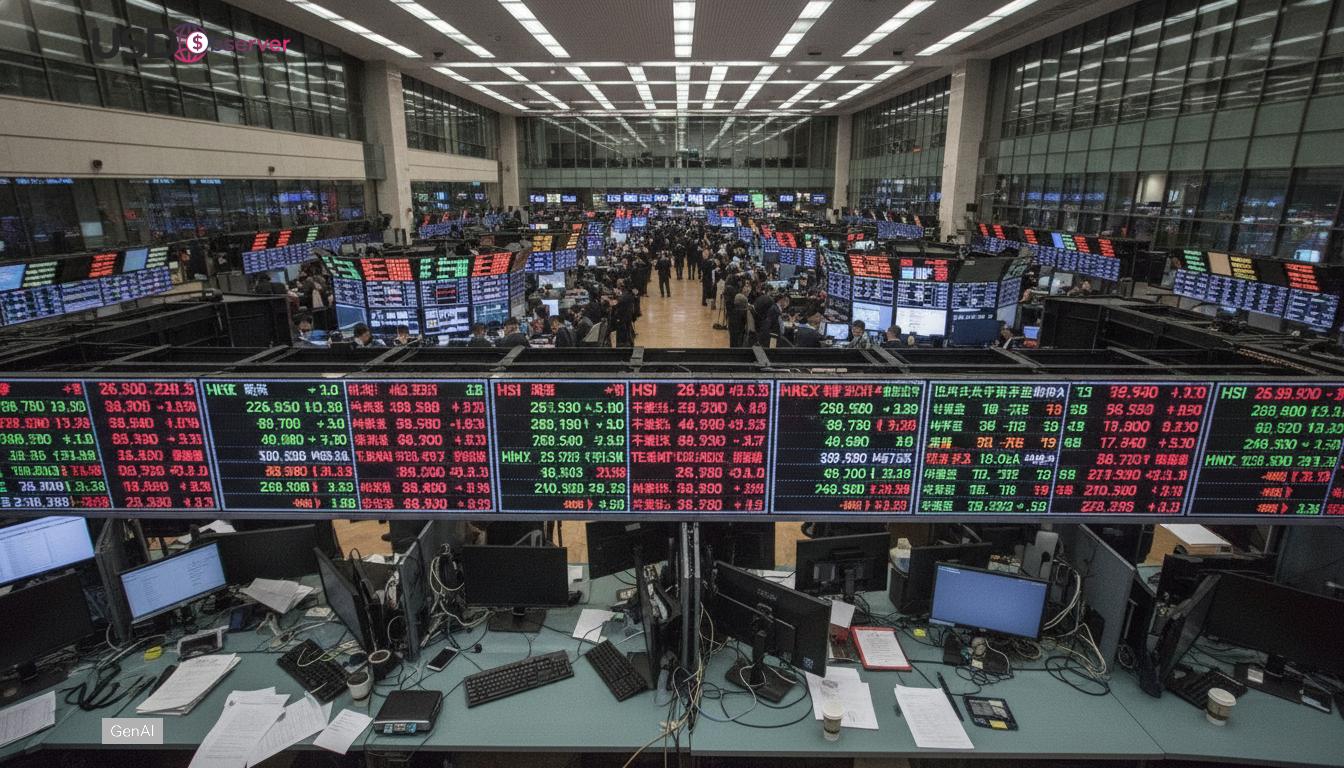
Growth indicators toward the end of 2025 showed early deceleration in several export dependent and highly leveraged economies. Weakening manufacturing activity, softer trade volumes, and tighter financial conditions weighed on momentum in parts of Europe and segments of emerging markets.
These regions are more sensitive to external demand and financing conditions. As growth slows, domestic investment weakens and reliance on external funding increases. This dynamic often raises demand for stable reserve currencies, particularly when local currencies face pressure.
In contrast, economies with stronger domestic demand and deeper capital markets have shown greater resilience. This uneven slowdown has reinforced cross border capital flows toward perceived stability.
Why Growth Divergence Supports USD Demand
When global growth becomes uneven, capital allocation shifts toward regions offering liquidity and institutional depth. Even if US growth slows, relative resilience can still attract flows. The dollar benefits from this asymmetry.
Trade settlement also plays a role. Slower growth in certain regions can increase the use of the dollar in invoicing and financing as counterparties seek certainty. This reinforces baseline demand for USD liquidity independent of speculative positioning.
As a result, USD demand can remain firm even in a cooling global environment. It reflects relative positioning rather than absolute growth strength.
Capital Flows Respond to Cooling Signals
Investment behavior adjusts quickly when growth outlooks diverge. Portfolio managers reduce exposure to regions facing sharper slowdowns and reallocate toward markets perceived as more stable. These flows are often gradual but persistent.
In 2025, cooling signals prompted a cautious rebalancing rather than abrupt exits. This supported the dollar through steady inflows into US assets and increased hedging demand against weaker growth regions.
Such reallocations do not require crisis conditions. Even moderate growth differentials can sustain USD demand over extended periods.
Implications for Trade and Funding Channels
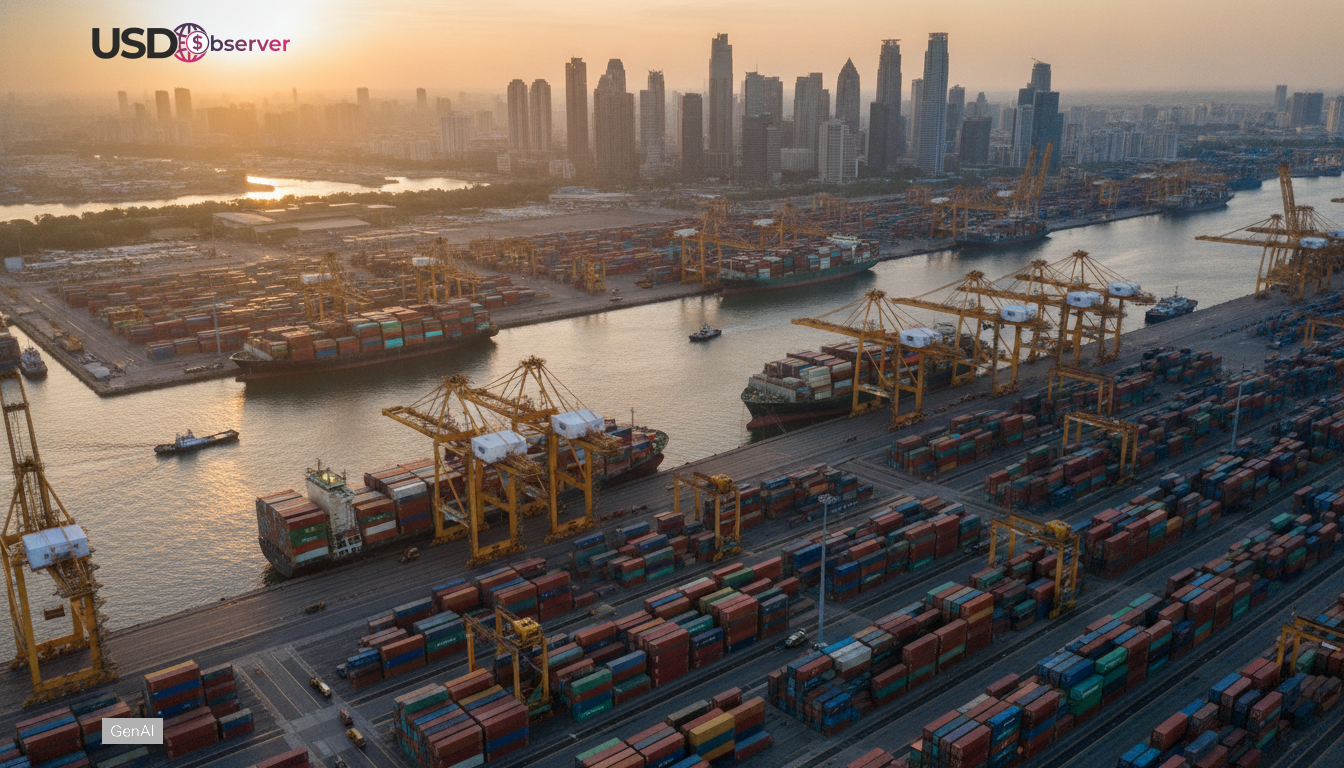
Slower growth in certain regions affects global trade dynamics. Reduced export volumes and investment spending can increase reliance on external financing. For many economies, that financing remains dollar denominated.
As funding needs rise, demand for USD liquidity grows. This is particularly evident in corporate borrowing and sovereign refinancing cycles. The dollar’s role in these channels strengthens during periods of uneven growth.
These mechanisms explain why USD demand often rises during global slowdowns, even when US growth itself is not accelerating.
Conclusion
The global growth cooling map heading into 2026 highlights where economic momentum is fading first and why that matters for currencies. Uneven slowdowns tend to support USD demand through capital flows, trade settlement, and funding channels. As long as growth divergence persists, the dollar’s role as the primary liquidity anchor remains intact.