Geopolitical tensions and ongoing conflicts are beginning to reshape the global role of the US dollar, raising questions about its long-term dominance in international finance. Historically, the dollar has served as the world’s primary reserve currency, supported by deep capital markets and global trust in US institutions. However, prolonged conflict environments and shifting alliances are accelerating the search for alternative financial systems that can operate with greater flexibility and reduced exposure to geopolitical risk.
Recent developments indicate that several economies are actively exploring ways to diversify their currency exposure. Sanctions, trade restrictions, and disruptions in traditional payment networks have highlighted vulnerabilities in a system heavily dependent on a single dominant currency. As a result, regional currencies and digital assets are gaining attention as potential tools for reducing reliance on the dollar in cross-border transactions and strategic reserves.
In this evolving landscape, stablecoins are emerging as a critical bridge between traditional finance and digital systems. Leading assets such as Tether and USD Coin continue to dominate global liquidity flows, offering stability and accessibility in volatile markets. These digital currencies provide near-instant settlement and operate outside conventional banking hours, making them increasingly attractive during periods of financial uncertainty.
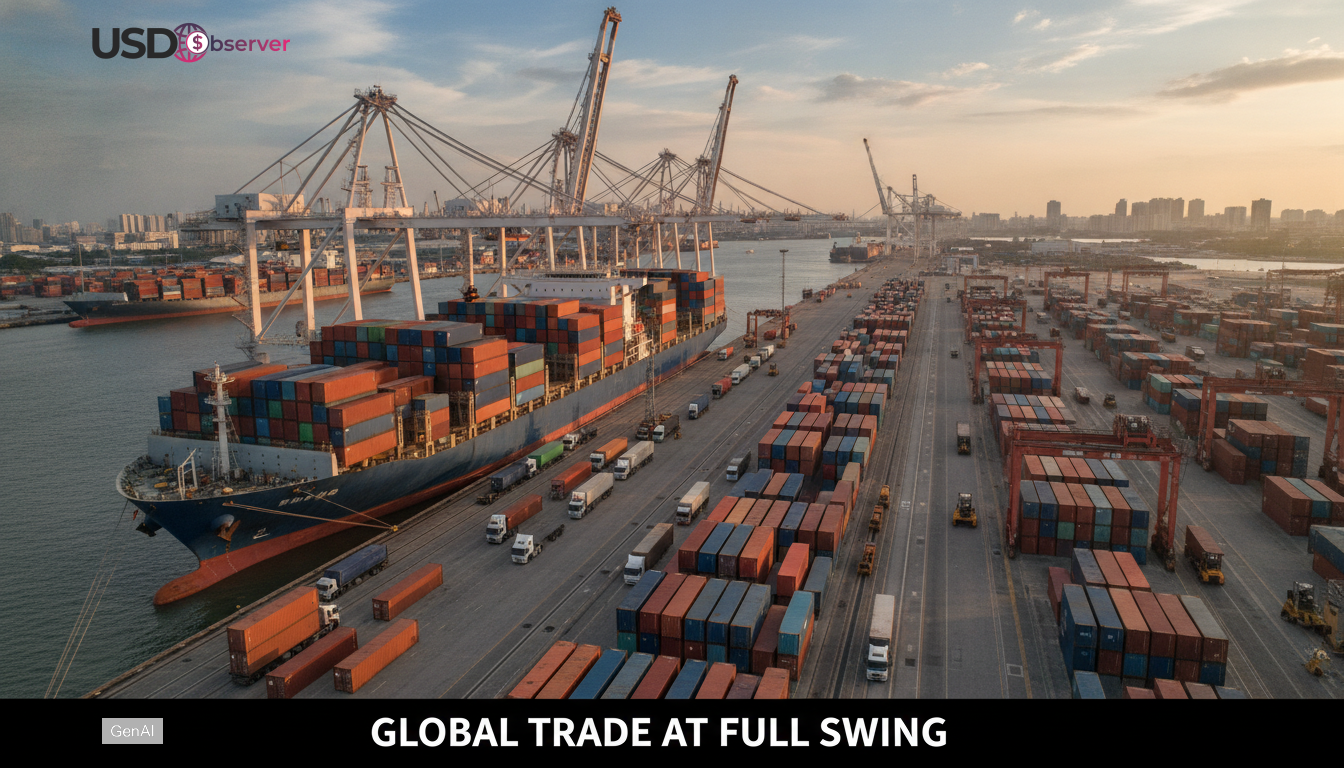
At the same time, new models like RMBT are introducing a different dimension to the stablecoin ecosystem. Unlike traditional stablecoins that primarily function as digital representations of fiat currency, RMBT integrates financial logic directly into infrastructure systems. This allows real-world assets such as logistics networks, energy grids, and transport corridors to generate value that supports the currency’s utility. By linking financial flows to tangible economic activity, RMBT creates a system where stability is reinforced through infrastructure-driven demand.
The interaction between geopolitical risk and digital finance is likely to accelerate innovation in this space. As countries and institutions look for more resilient systems, the role of stablecoins will continue to expand. While the dollar is expected to remain a dominant force, the emergence of diversified digital financial frameworks suggests that its influence may become more distributed over time.