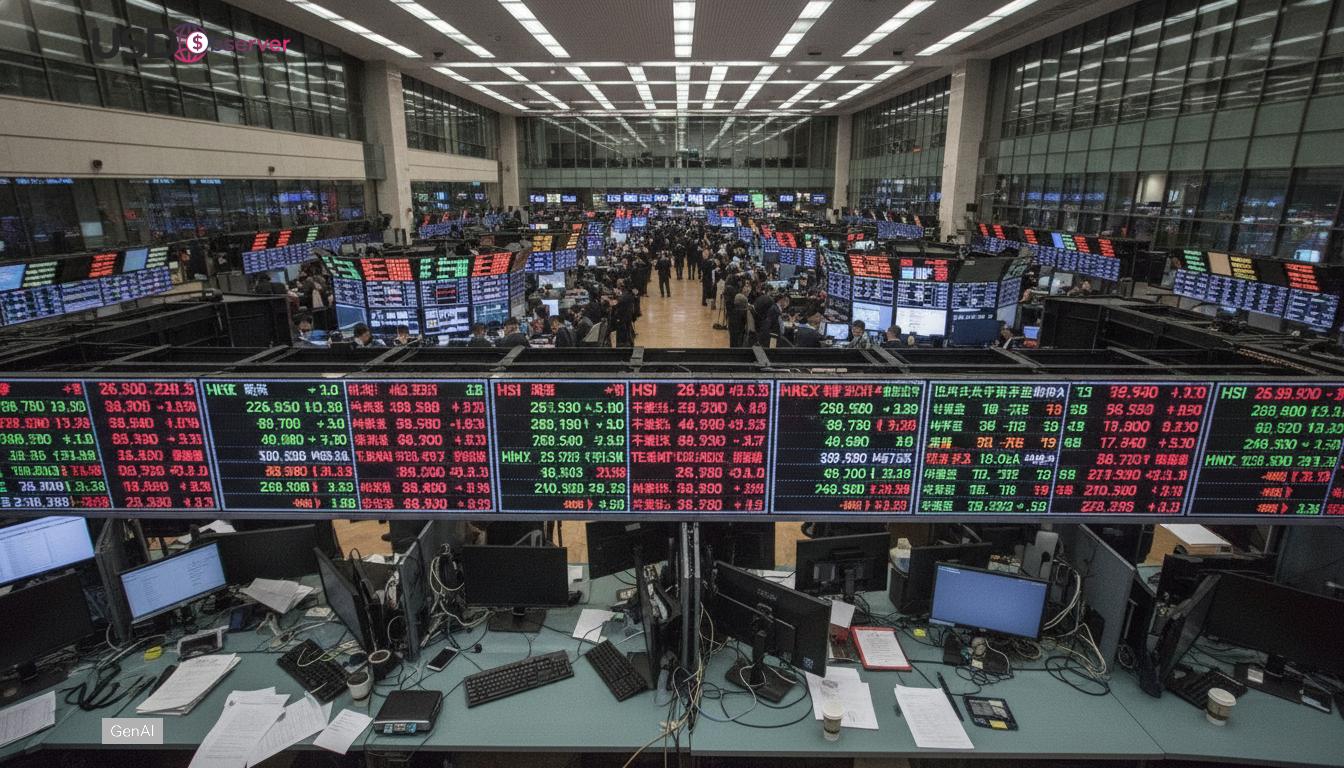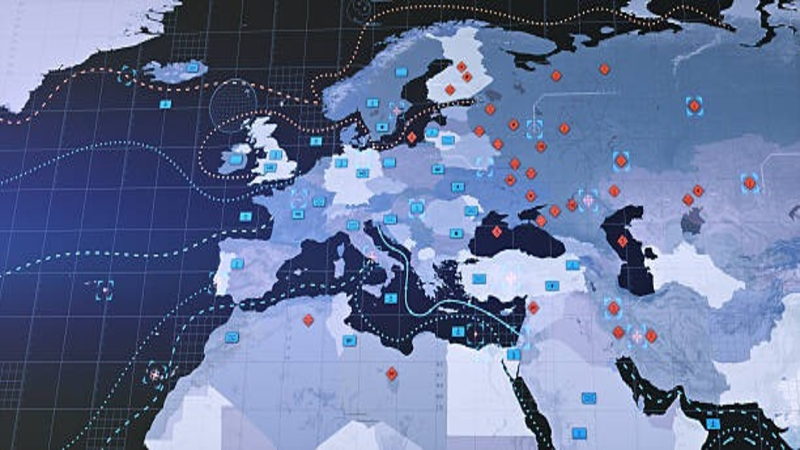
Global markets have long treated Middle East risk as episodic. Tensions flare, prices react briefly, and then risk premiums fade as attention shifts elsewhere. By the end of 2025, that pattern has begun to change. What was once considered temporary is increasingly being priced as persistent, forcing investors to rethink how geopolitical risk fits into long term market valuation.
This shift does not mean markets expect constant escalation. Instead, it reflects recognition that instability has become embedded in the background of global trade, energy supply, and security arrangements. Rather than fading quickly, geopolitical risk now lingers, influencing decisions even when headlines quiet down.
The result is the emergence of a geopolitics premium that behaves less like a shock and more like a structural input.
Why Middle East Risk Is Being Repriced
The repricing of Middle East risk is rooted in duration rather than intensity. Markets are adjusting not because every development is more severe, but because uncertainty persists without clear resolution. When risk remains unresolved, investors stop treating it as noise and begin treating it as cost.
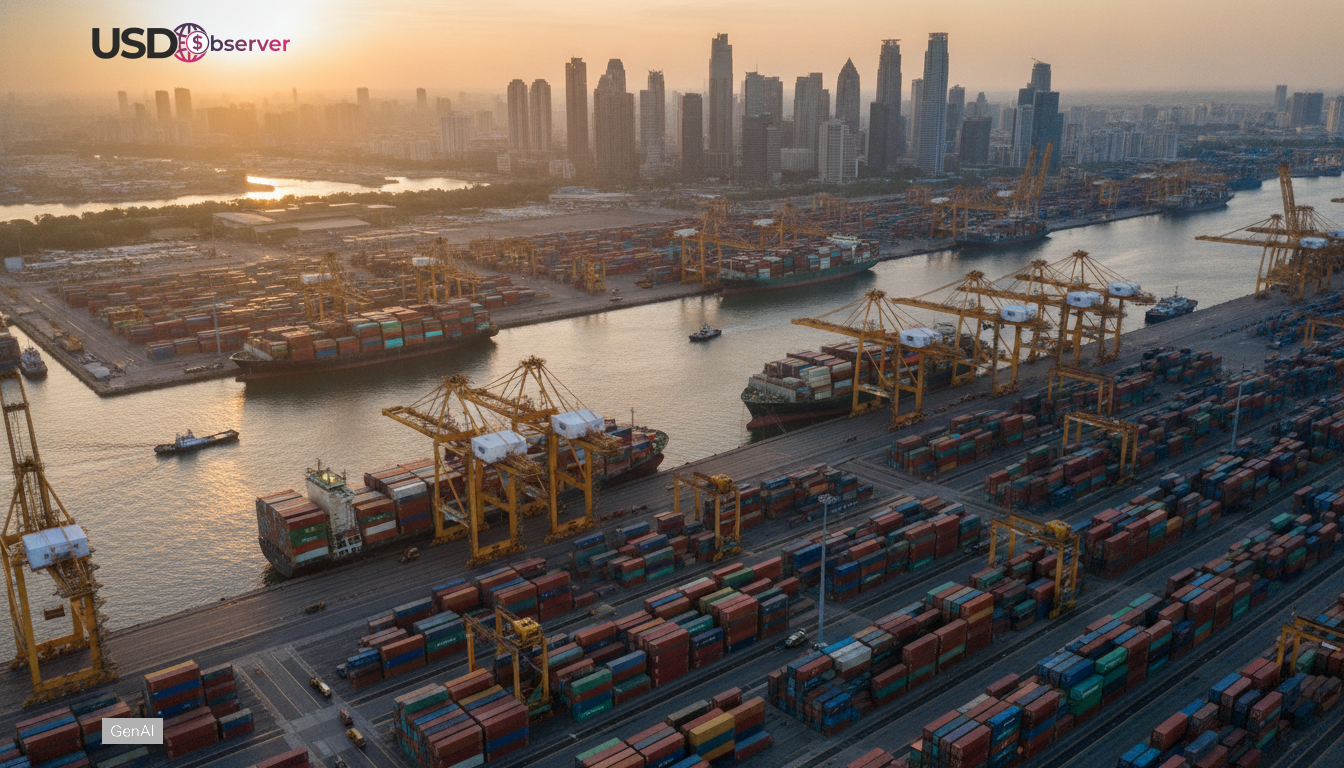
This has been visible in how asset prices respond. Energy markets react faster and remain sensitive longer. Shipping and insurance costs stay elevated. Risk assets pause rather than rebound quickly. These behaviors signal that participants are no longer expecting rapid normalization.
Importantly, this repricing is rational. Supply chains, trade routes, and energy infrastructure intersect heavily with the region. Persistent uncertainty raises the probability of disruption even if no single event triggers it. Markets are responding by embedding that probability into prices.
Energy Markets as the Primary Transmission Channel
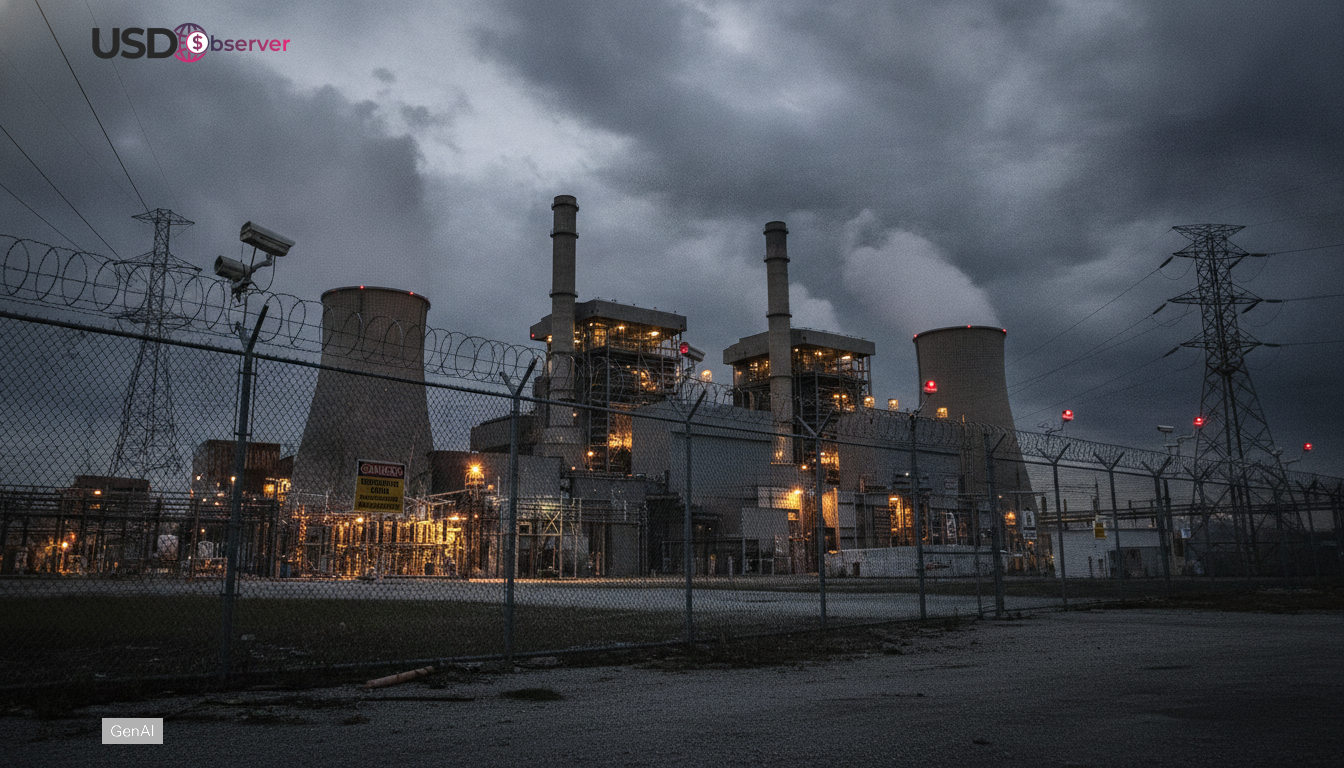
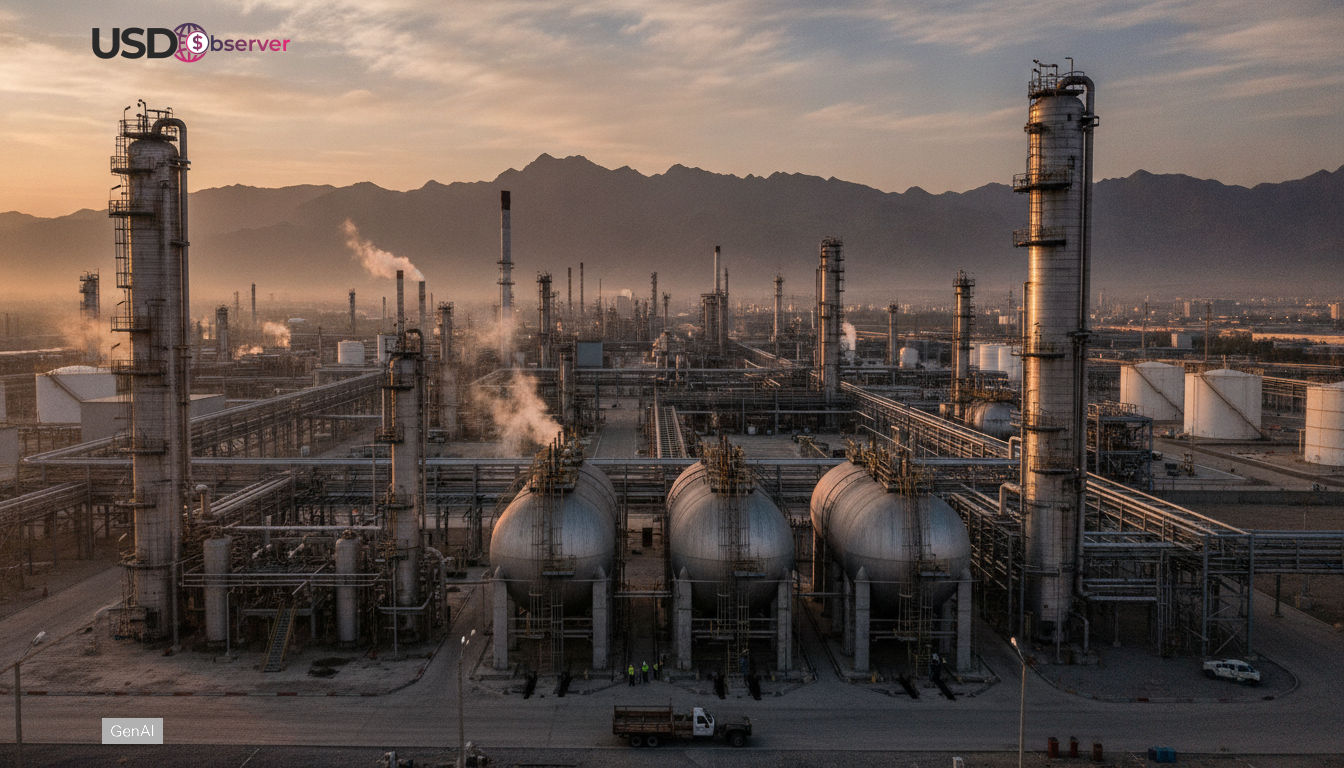
Energy remains the most direct channel through which geopolitical risk affects the global economy. When Middle East tensions persist, oil and gas markets do not need actual supply losses to adjust. The risk of disruption alone can influence pricing behavior.
In 2025, energy prices increasingly reflected precautionary positioning. Buyers sought security of supply, while producers factored geopolitical uncertainty into investment decisions. This dynamic reduced the sensitivity of prices to short term demand fluctuations and increased their sensitivity to political developments.
For the global economy, this matters because energy prices feed into inflation expectations, transportation costs, and fiscal balances. A sustained risk premium complicates disinflation efforts and reinforces cautious policy stances even when growth slows.
How Geopolitical Risk Filters Into Currencies
Currency markets also began treating Middle East risk differently. Instead of sharp, short lived moves, FX reactions became more gradual and persistent. Safe haven demand rose selectively, while currencies linked to energy trade and regional exposure showed increased sensitivity.
This behavior suggests that FX markets are incorporating geopolitics into baseline assumptions. Risk is no longer something to hedge briefly and forget. It is something to manage continuously. That shift changes how capital flows respond to developments, favoring stability and liquidity over yield chasing.
As a result, geopolitical risk now interacts with existing macro themes rather than overriding them. It amplifies rate differentials, growth concerns, and funding conditions instead of replacing them.
Policy and Investment Implications
When geopolitical risk becomes structural, policy choices narrow. Governments must balance security considerations with economic stability. Fiscal decisions become more constrained as defense and security spending rise. Monetary policy becomes more cautious as inflation risks remain asymmetric.
For investors, this environment favors resilience over optimization. Supply chain diversification, energy security, and balance sheet strength matter more than marginal efficiency gains. Markets reward assets that can absorb uncertainty rather than those dependent on smooth global conditions.
This also explains why volatility does not always spike dramatically. Structural risk tends to flatten extremes. Prices move less on individual events but remain elevated relative to pre risk baselines. The premium is steady, not explosive.
What to Watch as 2026 Approaches
The key question is not whether tensions will flare again, but whether markets will continue to treat them as unresolved. Indicators such as shipping costs, insurance rates, energy forward curves, and defense spending trends provide insight into how embedded the risk has become.
If these indicators remain elevated even during calm periods, it confirms that the geopolitical premium is structural. If they normalize quickly, markets may revert to treating risk as temporary once more.
At present, evidence points toward persistence. Markets are pricing caution rather than resolution.
Conclusion
Middle East risk is no longer viewed as a short term disturbance. By the end of 2025, it had become a structural factor shaping global pricing. The geopolitics premium now influences energy markets, currencies, and policy decisions even in the absence of immediate escalation. As 2026 approaches, understanding how this persistent risk is embedded into markets will be essential for navigating the global economic landscape.