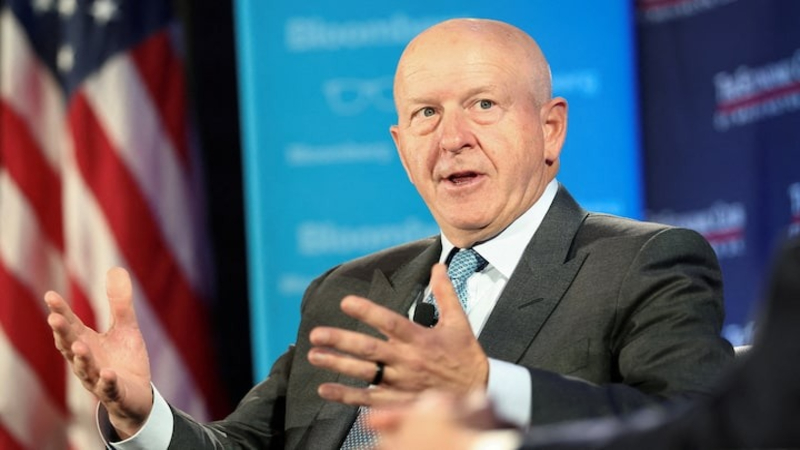
Global dealmaking activity could see renewed momentum as financial sponsors step up transactions in response to growing pressure from investors, according to comments from Goldman Sachs Chief Executive Officer David Solomon. Speaking at a financial services conference, Solomon indicated that private equity firms and other financial sponsors are reaching a point where they must accelerate exits to return capital before launching new fundraising efforts.
Financial sponsors have been sitting on large portfolios of assets after a period marked by higher interest rates, valuation uncertainty, and muted capital markets. As fundraising cycles continue, investors are increasingly expecting returns, pushing sponsors to bring deals to market through mergers, acquisitions, or public listings. Solomon suggested this dynamic could lead to a noticeable increase in transaction volumes over the near term.
He noted that valuation sensitivity among sponsors appears to be easing as the priority shifts toward capital distribution. With limited partners expecting liquidity, firms may be more willing to proceed with sales even if pricing does not fully match earlier expectations. This shift could unlock a backlog of transactions that have been delayed over recent years.
Beyond sponsor led activity, Solomon also expressed confidence in strategic mergers and acquisitions driven by corporations. He said strategic dealmaking is likely to rise meaningfully compared with the average levels seen over the past five years, citing relatively stable economic conditions and limited factors that could disrupt corporate transaction plans. Companies with strong balance sheets are expected to continue pursuing acquisitions to support growth, expand capabilities, and gain competitive advantages.
Goldman Sachs closed a strong year in 2025, benefiting from increased deal activity and improved trading performance. The bank exceeded market expectations in its fourth quarter earnings, reflecting a rebound in investment banking revenue after a slower period. Goldman advised on several high profile transactions during the year, including large scale leveraged buyouts and major technology acquisitions, which helped lift overall advisory volumes.
These transactions contributed to Goldman securing the top global position in mergers and acquisitions advisory rankings. The bank advised on nearly one and a half trillion dollars in deals during the year, generating billions of dollars in advisory fees. The performance underscores how a recovery in dealmaking can quickly translate into stronger financial results for major investment banks.
Optimism around mergers and acquisitions is not limited to Goldman Sachs. Senior executives at other major banks have also highlighted strong deal pipelines extending into 2026. According to industry leaders, transaction activity entering the new year appears robust, with both private and public market opportunities shaping a favorable outlook.
However, some executives cautioned that capital markets are unlikely to revisit the extreme highs seen during the pandemic era, when deal volumes were boosted by a surge in special purpose acquisition companies. While that source of activity has faded, bankers see potential for a healthy initial public offering pipeline, supported by improving market conditions and pent up demand from private companies.
Overall, growing pressure on financial sponsors to deliver returns, combined with steady corporate confidence, is reinforcing expectations that global dealmaking could enter a stronger phase after years of uneven activity.