European retailers are raising concerns that a prolonged Middle East conflict could trigger a new wave of inflation across the region, pushing prices higher and weakening consumer demand. Major companies across the retail sector say rising energy and transportation costs are beginning to filter through supply chains, creating pressure on margins and pricing strategies. With oil prices holding above $100 per barrel, businesses are preparing for increased operating expenses while consumers face growing financial strain, adding uncertainty to the outlook for retail sales and economic stability in Europe.
Retail giants including H&M and UK based Next have signaled that the ongoing conflict could lead to price increases in the coming months if current conditions persist. Companies are already factoring in higher costs linked to fuel, freight and logistics, with some warning that modest price adjustments could soon become more significant if disruptions continue. While retailers note that consumer spending has remained relatively stable so far, they acknowledge that sustained inflation could eventually reduce purchasing power and slow demand across key markets.
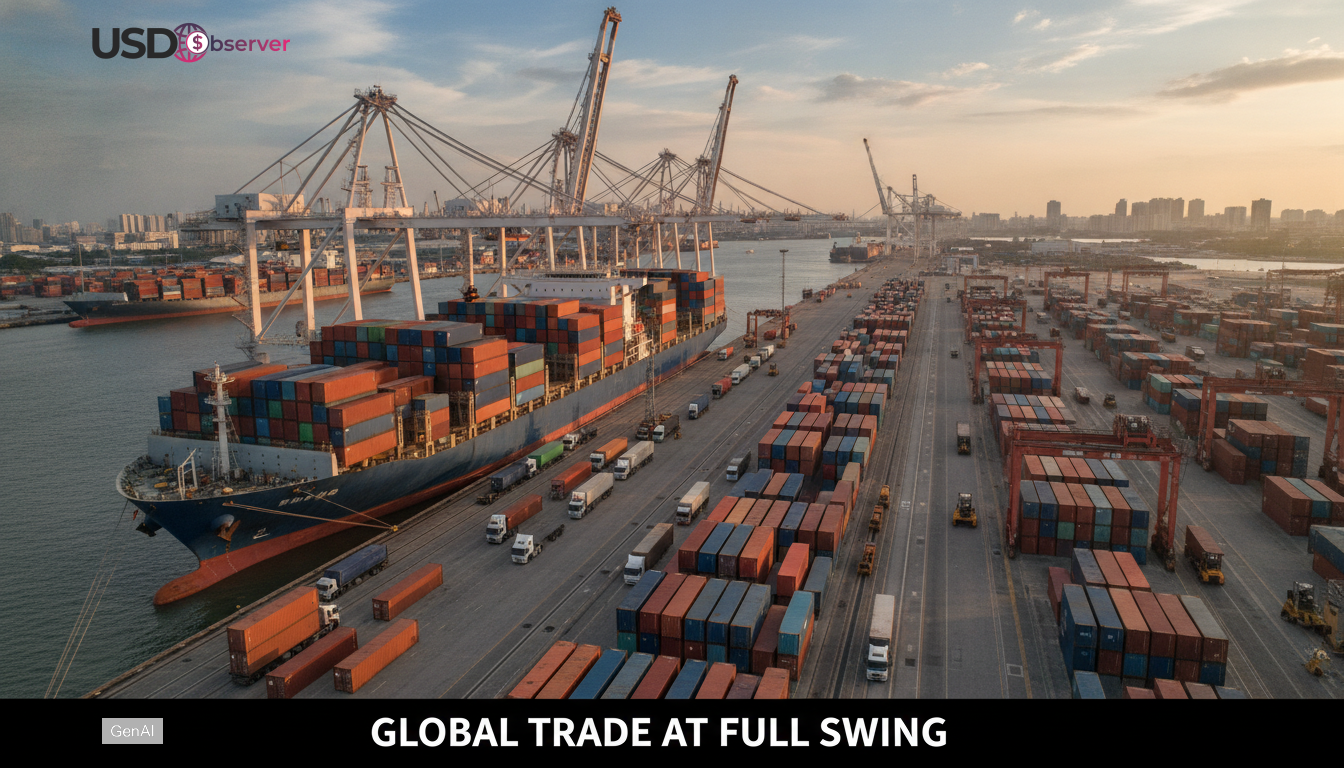
Industry leaders say the main risk lies in how long the conflict continues and how deeply it impacts supply chains and production costs. Higher oil prices are feeding into transportation expenses and manufacturing inputs, raising the likelihood of broader price increases beyond retail goods. Executives warn that initial increases may appear limited, but could escalate over time as cost pressures build. The situation is particularly concerning for sectors dependent on global sourcing, where disruptions can quickly translate into higher costs and reduced availability of goods.
Retailers are also closely monitoring consumer sentiment, which is already showing signs of weakening across Europe. Surveys indicate that confidence has declined in several major economies, including the United Kingdom, Germany and Italy, as households brace for higher energy bills and living costs. Analysts say consumers typically adjust spending habits only after price increases materialize, meaning the full impact on demand may not yet be visible. This delayed response could create further volatility in retail performance over the coming months.
Beyond Europe, companies in Asia and other regions are also preparing for the broader impact of the conflict on global supply chains. Rising costs for commodities such as fuel, fertilizer and raw materials are expected to affect a wide range of industries, from food production to consumer goods manufacturing. Businesses are increasingly focused on cost management strategies to navigate the uncertain environment, including operational efficiencies and selective price adjustments to maintain competitiveness.
Retail executives emphasize that while immediate effects remain manageable, the longer term outlook depends heavily on geopolitical developments and energy market trends. Companies are preparing contingency plans to address potential disruptions while continuing to monitor consumer behavior and economic indicators. As inflation risks rise and demand patterns evolve, the retail sector is entering a period of heightened uncertainty, with pricing, supply chains and consumer confidence all closely tied to the trajectory of the ongoing conflict.