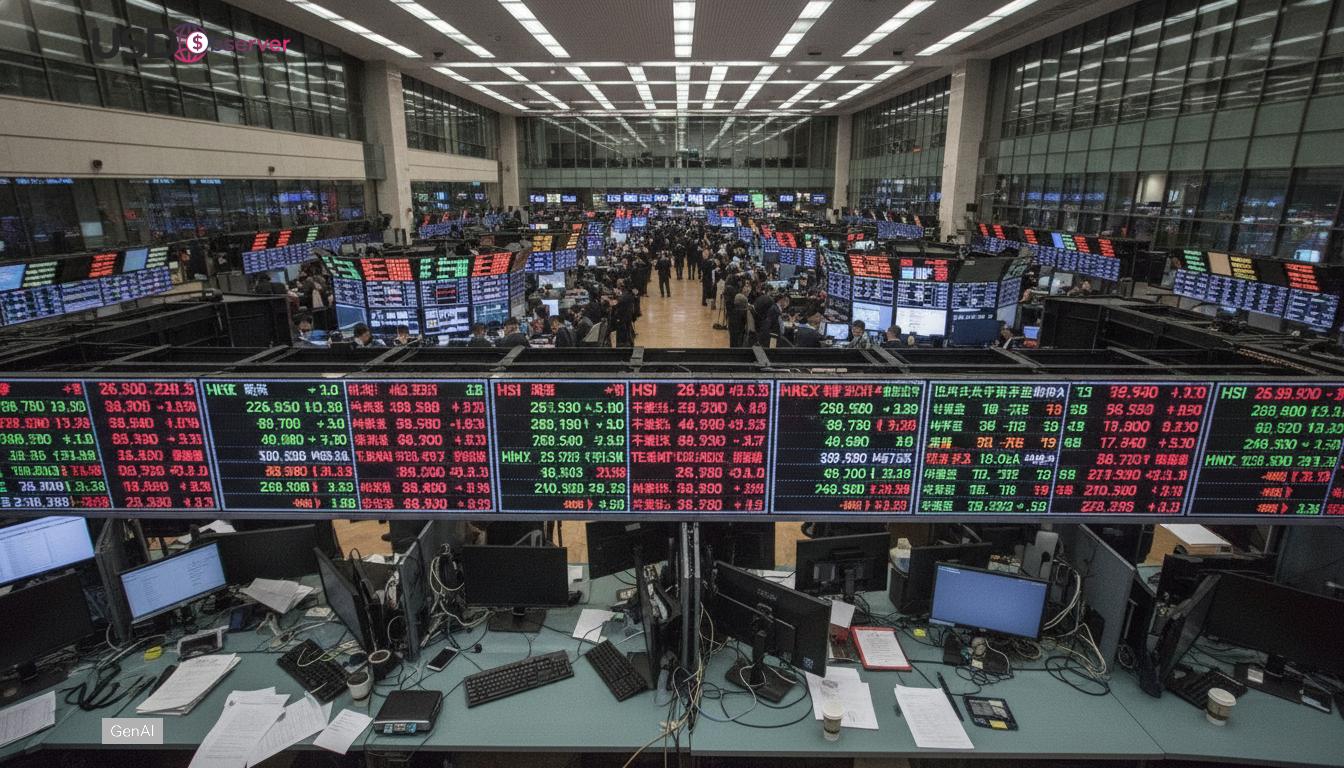
European companies are delivering stronger than expected earnings growth this reporting season, supported by a gradually improving economic backdrop. However, investors appear reluctant to reward positive results as equity valuations remain elevated across the region.
More than half of Europe’s listed market capitalization has reported fourth quarter results so far, with average earnings growth coming in above earlier projections. Analysts had anticipated a mild contraction in profits, but actual figures have shown modest expansion instead. The rebound in earnings per share suggests that corporate resilience is holding up despite sluggish growth in parts of the euro area over the past year.
Strategists note that the earnings recovery is gaining traction, particularly compared with earlier quarters when profit warnings were more common. Cost control measures, stabilizing energy prices and easing supply chain pressures have supported margins in several sectors. Financials and industrial companies have shown relative strength, while consumer facing businesses continue to navigate mixed demand conditions.
Despite the improving earnings picture, share price reactions have been muted. A higher than usual percentage of companies have beaten analyst expectations, yet markets have not responded with sustained gains. In many cases, stocks have moved little on the day of results, and companies missing forecasts have faced sharper than normal declines. This dynamic reflects investor caution at a time when valuations are already stretched.
The pan European STOXX 600 index is trading at its highest forward earnings multiple in more than two years. Elevated valuation levels leave less room for disappointment and raise the bar for what qualifies as a positive surprise. Investors are demanding clearer evidence of accelerating growth before pushing prices materially higher.
Currency movements are also influencing sentiment. The euro has strengthened significantly against the US dollar in recent months, reaching levels not seen in several years. Since a large share of revenues for major European companies is generated outside the region, a stronger euro can weigh on reported earnings by reducing the value of foreign income when translated back into local currency.
Many companies have already incorporated currency effects into their guidance, but sustained euro strength could create additional headwinds if global demand softens. Export oriented sectors such as luxury goods, industrial machinery and automotive manufacturing remain particularly sensitive to exchange rate fluctuations.
At the macro level, Europe’s economic outlook is stabilizing but remains uneven. Inflation pressures have moderated, and interest rate expectations have become more predictable, offering some support to business confidence. However, growth remains modest, and geopolitical uncertainties continue to shape investor behavior.
For now, the earnings season highlights a gap between corporate performance and market expectations. While profits are improving, valuations imply that investors are looking for stronger signals of durable expansion before committing fresh capital to European equities.