Europe’s emerging green hydrogen industry is sounding the alarm over growing competitive pressure from China, warning that without stronger policy support, domestic manufacturers risk losing ground in a sector seen as critical to the continent’s climate and industrial strategy. Industry leaders are urging the European Union to introduce made in Europe requirements for public spending on hydrogen technologies, particularly electrolysers, to help local firms scale up and remain competitive.
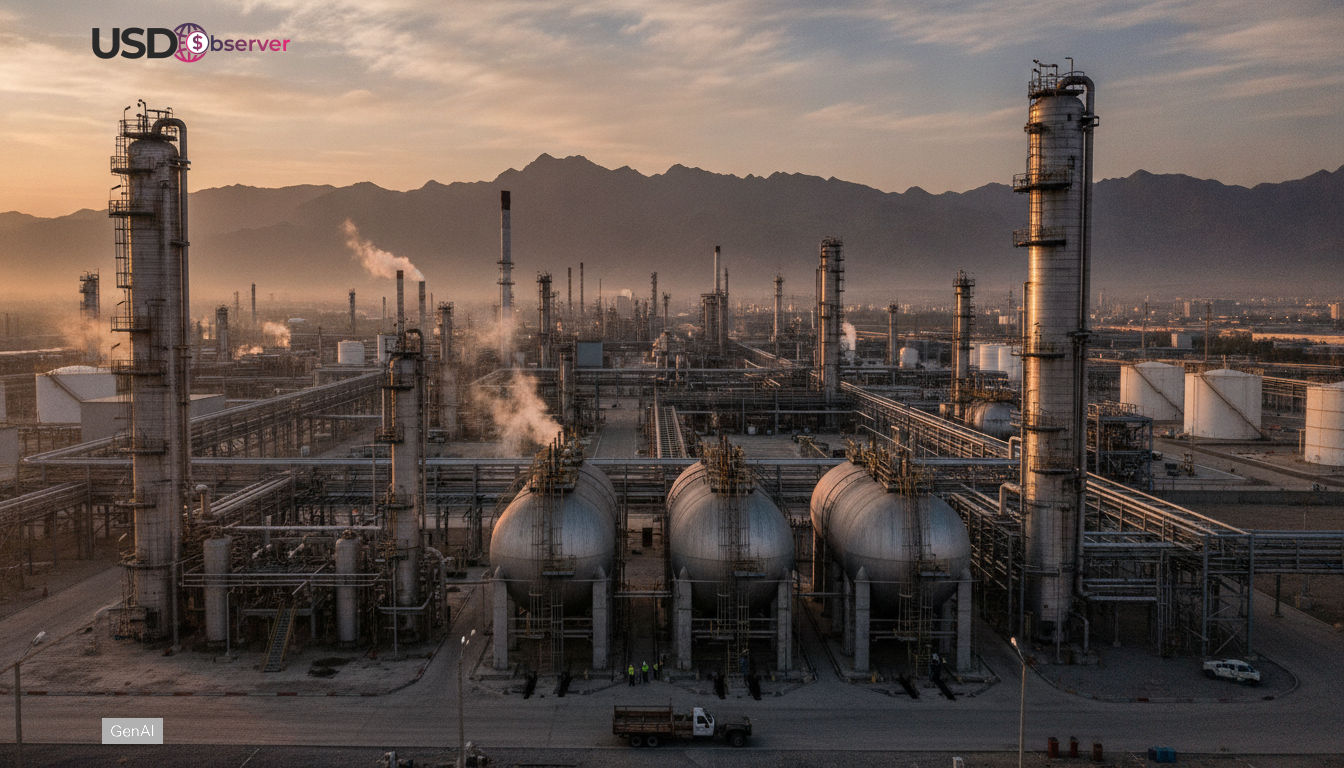
Green hydrogen is a cornerstone of the EU’s plans to cut emissions in hard to decarbonise industries such as steel, chemicals, and fertilisers. Despite ambitious climate targets, more than ninety percent of hydrogen currently used by European industry is still produced from fossil fuels. Expanding green hydrogen capacity is viewed as essential to reducing this reliance and meeting long term emissions goals.
However, the sector has faced a difficult period. Throughout the past year, several European hydrogen projects were delayed or cancelled as high energy prices made green hydrogen less competitive compared to fossil fuel based alternatives. At the same time, Chinese manufacturers have continued to expand rapidly, benefiting from large scale projects, lower costs, and strong domestic demand.
Executives across the European hydrogen supply chain argue that public procurement rules could play a decisive role in shaping the industry’s future. By prioritising European manufacturers in publicly funded hydrogen projects, the EU could help domestic firms secure the scale needed to reduce costs, improve technology, and strengthen supply chains. Industry leaders often point to Europe’s solar sector as a warning example, where a failure to scale manufacturing led to heavy dependence on imports after Chinese production surged.
The European Commission is expected to propose new legislation aimed at favouring European producers in public procurement, drawing on the trillions of euros spent annually by public authorities across the bloc. Electrolysers, the core equipment used to produce green hydrogen, are among the technologies under discussion. Still, the proposal faces resistance from some governments and businesses concerned about trade implications, costs, and how broadly European origin should be defined.
European manufacturers stress that while they currently hold a technological edge, this advantage may not last without wider deployment. Large scale projects allow companies to gain experience, refine designs, and reduce costs, benefits that Chinese firms are already capturing through massive domestic investments. Industry leaders warn that without similar opportunities, Europe risks being overtaken in both production capacity and innovation.
China already accounts for a majority of global electrolyser manufacturing capacity, and while European firms still dominate supply for projects within the EU, signs of increased Chinese competition are emerging. European policymakers have taken steps to limit the use of foreign equipment in certain support schemes, reflecting concerns over strategic dependence.
EU financial institutions have highlighted green hydrogen and related technologies as areas where Europe can still lead globally. However, they have also cautioned that sustained investment and coordinated industrial policy will be necessary to protect and expand domestic value chains in the face of intensifying global competition.