The European Union is falling short in preparing for the accelerating impacts of climate change and must urgently strengthen its adaptation strategy to protect infrastructure, economies and communities, according to independent scientific advisers.
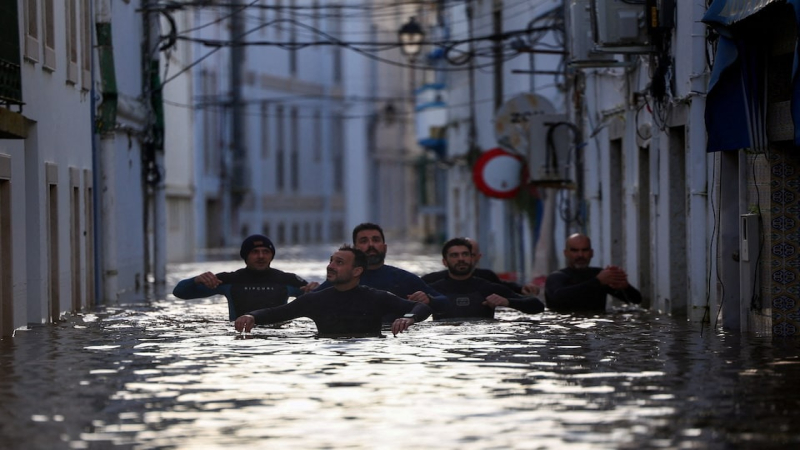
Europe has become the fastest warming continent in the world, with rising temperatures contributing to more frequent heatwaves, floods, wildfires and powerful storms. Recent extreme weather events have highlighted vulnerabilities in transport networks, housing and energy systems across several member states, increasing pressure on policymakers to act.
Economic damage from climate and weather related disasters in the EU has reached an estimated 45 billion euros annually, a sharp increase compared with previous decades. The growing financial toll reflects both the intensifying severity of events and the expanding value of assets exposed to risk.
The European Scientific Advisory Board on Climate Change said the bloc’s current efforts focus heavily on reducing greenhouse gas emissions but lack sufficient coordination and investment in adaptation. While mitigation remains central to long term climate goals, advisers stressed that preparing for unavoidable impacts is equally critical.
They warned that without stronger adaptation policies, climate extremes could undermine economic competitiveness, strain public finances and heighten social tensions. Damage to infrastructure, supply chains and agricultural output could disrupt growth and increase fiscal burdens for national governments.
The advisers recommended that EU institutions and member states plan for a warming scenario of roughly 2.8 to 3.3 degrees Celsius by the end of the century. Such planning would involve integrating climate risk assessments into urban design, land use policies and agricultural support systems. Measures could include restricting construction in flood prone areas, expanding drought resilience programs and redesigning cities to reduce heat stress.
Insurance coverage was highlighted as a major gap. Currently, only about a quarter of climate related economic losses in the EU are insured. The advisory board suggested exploring mechanisms such as expanded public private partnerships or EU level reinsurance schemes to improve financial resilience.
Investment in early warning systems and emergency response capacity was also identified as a priority. Improved forecasting and coordinated response frameworks could reduce loss of life and limit property damage during extreme events.
The European Commission is expected to present an updated climate resilience strategy later this year, which will address adaptation policies alongside emission reduction targets. As global temperatures continue to rise and climate impacts intensify, the debate over preparedness is likely to gain further urgency across the bloc.