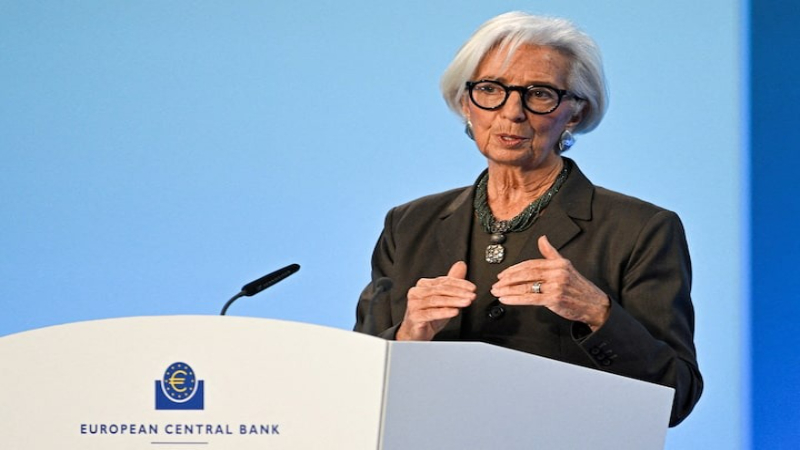
European Central Bank President Christine Lagarde signaled continued policy stability on Monday, stating that euro zone inflation and current interest rate settings remain in what she described as a good place. Her remarks reinforce expectations that the ECB is not preparing for an immediate shift in monetary policy despite ongoing global uncertainty.
Speaking at a conference in Washington, Lagarde repeated language she has used in recent months to characterize the central bank’s position. According to her assessment, inflation dynamics and financing conditions are aligned with the ECB’s medium term objectives, suggesting that the Governing Council sees no urgent need to tighten or loosen policy at this stage.
The euro area has experienced a gradual moderation in inflation after the sharp energy driven surge that followed geopolitical tensions and supply disruptions in previous years. Headline inflation has moved closer to the ECB’s 2 percent target, while core price pressures have shown signs of easing, though services inflation remains closely monitored. Financial markets have interpreted this trend as evidence that the most aggressive phase of the rate hiking cycle is over.
Lagarde emphasized that the ECB will continue to evaluate incoming data at every step. While describing the current stance as appropriate, she stressed the importance of agility. This signals that the central bank remains alert to potential shocks, including shifts in global trade policy, energy markets, or exchange rate movements that could alter the inflation outlook.
Investors are also assessing how euro zone policy compares with that of other major central banks. The Federal Reserve in the United States has been navigating its own debate over rate cuts amid cooling inflation and fiscal uncertainty. Diverging policy paths between the ECB and the Fed can influence capital flows, bond yields, and the euro dollar exchange rate.
Euro area bond markets have remained relatively stable in recent sessions. Yields on benchmark German Bunds have fluctuated within a narrow range as traders weigh inflation data against growth forecasts. Economic activity in several member states has been subdued, with manufacturing output under pressure, while services and labor markets have shown more resilience.
Lagarde’s comments suggest that policymakers are confident the existing interest rate framework is restrictive enough to anchor inflation expectations without unduly harming growth. The ECB has consistently maintained that decisions are data dependent rather than pre committed, a message aimed at preserving flexibility amid an evolving macroeconomic environment.
Currency markets reacted modestly to her remarks, with the euro holding steady against major counterparts. Market participants continue to track forward guidance from Frankfurt for clues on the timing of any eventual rate adjustments, particularly as global financial conditions remain sensitive to geopolitical developments and fiscal policy shifts across major economies.