Examining the Drivers of Dollar Strength
Currency desks are currently treating the greenback as the market’s default refuge. Investors are grappling with uneven growth and stubborn inflation signals globally. Traders focused on interest rate expectations have linked much of the current USD strength to the widening gap between US yields and those of other countries. This difference is often tracked through broad measures like the USD Strength Index. The implications of this rate gap are significant; it alters the hedging costs for global portfolios and the hurdle rates for risk assets. For further insights on how positioning has shifted, visit U.S. Dollar Index shifts as traders price Fed path. Update flows indicate that corporates are actively seeking near-term dollar liquidity as well.
Winners in a Strong Dollar Environment
For US consumers and firms purchasing imported goods, a robust dollar acts as a quiet subsidy. This is especially true for sectors where contracts are repriced quickly, such as electronics, apparel, and industrial components. Companies that generate most of their revenue domestically but have significant foreign sourcing are the most visible beneficiaries. Their margins often expand when invoices settle in dollars. Additionally, this week’s developments in cryptocurrencies illustrate a niche benefit: dollar-based quoting enables cleaner cross-market comparisons. Traders frequently reference the Solana price against USD alongside other pairs during periods of volatility. A strong dollar can also mitigate certain commodity import bills for dollar buyers. Hence, the same strength can feel like a windfall for one sector while acting as a burden for another, particularly for exporters selling internationally.
Challenges Faced by Emerging Economies
In various emerging markets, the immediate threat is not merely sentiment; it’s refinancing. Much of the external borrowing today is denominated in dollars. When the USD appreciates, local currency revenues yield fewer dollars, increasing debt servicing burdens and constraining fiscal options for governments and corporations. Live conditions are further complicated by energy import dependencies, as seen in Turkey. There, a stronger dollar can elevate local fuel costs despite steady crude prices. As the interest around digital dollar alternatives, including stablecoins for remittances, intensifies, Stablecoins as DeFi Safe Havens Under Market Stress explains how turbulent periods can funnel flows into tokenized dollars. Such pressure can hasten reserve depletion, necessitate sharper rate hikes, or widen risk premiums when investors demand more significant compensation.
Impact on Global Trade Balances
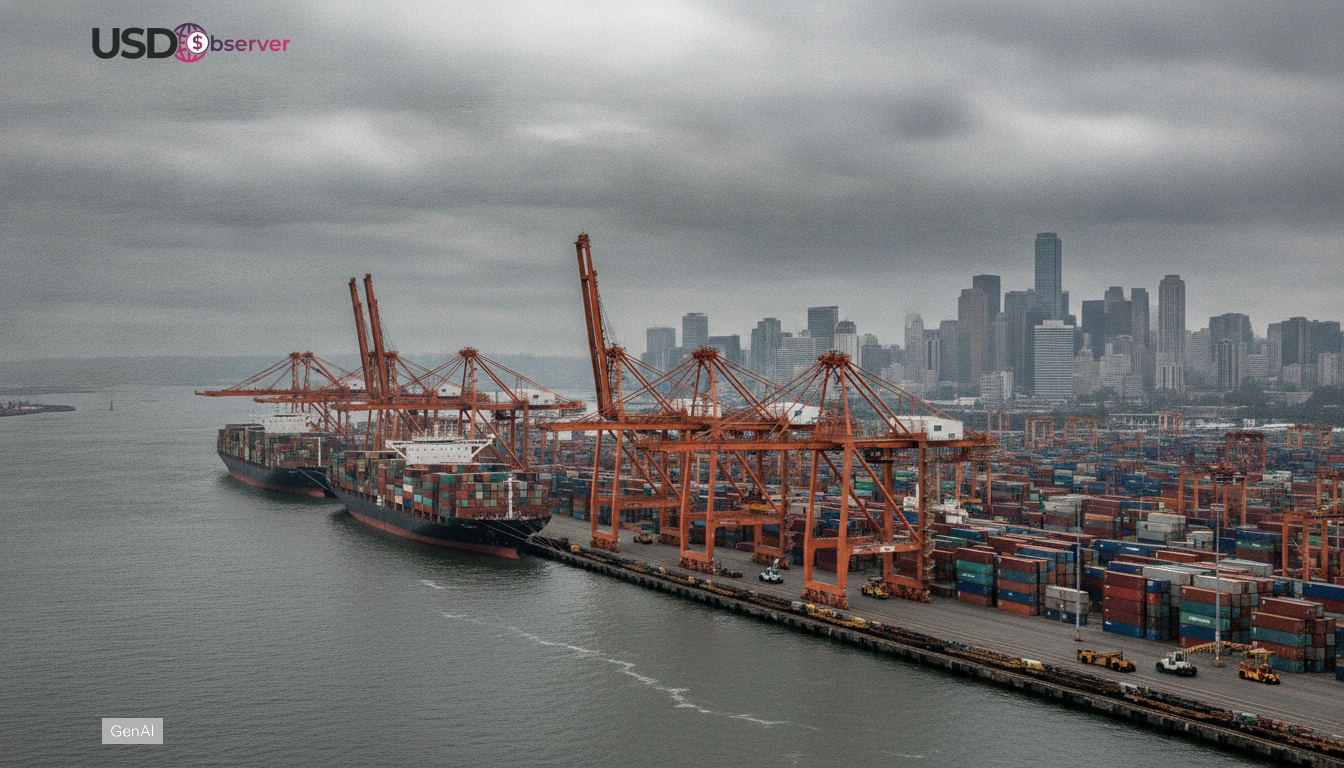
Trade effects are not uniform, shaped by differing invoicing practices and supply chains across regions. A stronger dollar usually makes US exports less competitive while making imports cheaper. However, this pass-through varies by product and how swiftly contracts reset. Within live market coverage, energy and shipping sectors are critical, as many commodities are priced in dollars. This pricing can transmit currency fluctuations directly into local consumer prices abroad. To explore this further, check out the BBC’s report on Jitters on oil and bond markets as US-Iran peace talks stall. Additionally, update signals in Europe highlight the strain on manufacturers when dollar-priced inputs rise, even if their sales occur in euros or pounds.
Future Outlook for the U.S. Dollar Trend
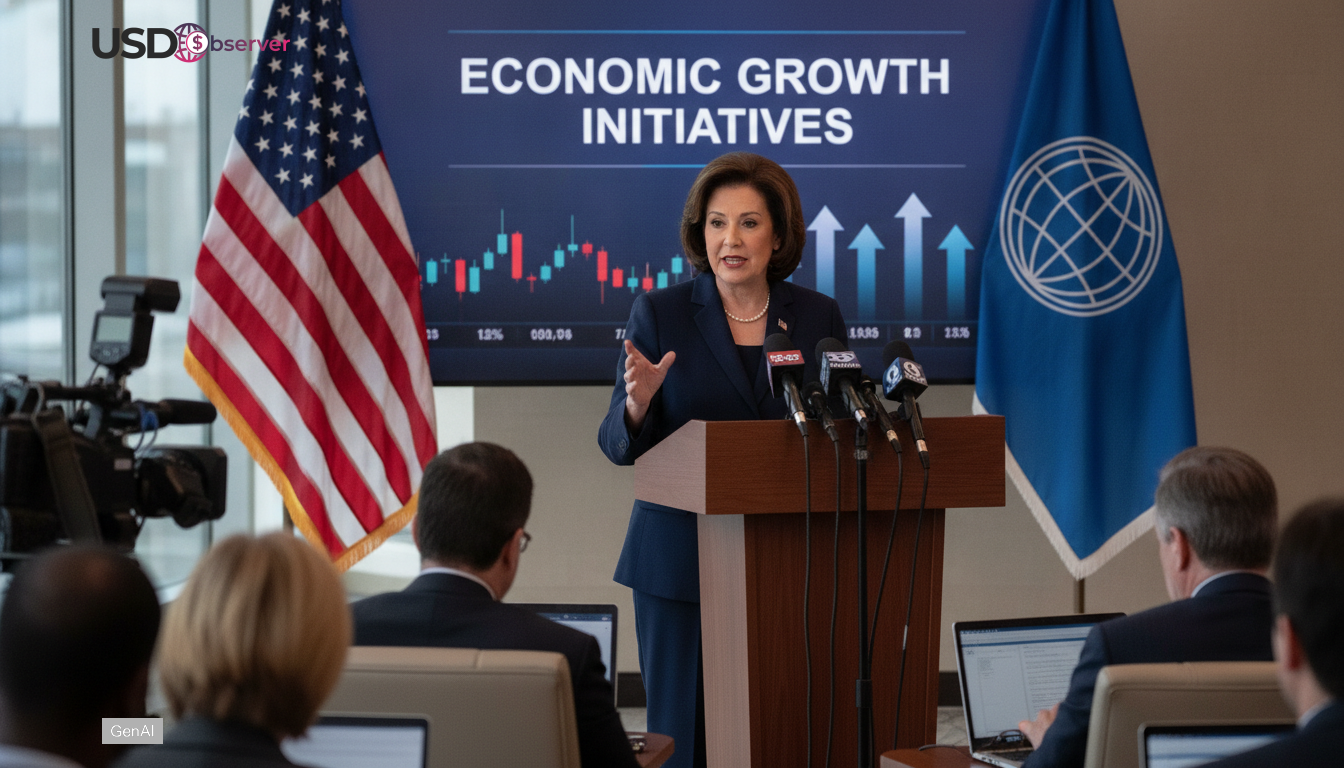
The near-term trajectory of the dollar is contingent upon whether US data keeps financial conditions tighter than those of its peers, as relative yields continue to drive FX pricing. Analysts are also closely monitoring how USD strength interacts with global risk cycles. When equity markets falter, the demand for dollar liquidity often rises, even absent new policy actions. Inside live dealing rooms, the spotlight is on forward guidance and the rate of disinflation since expectations concerning the Federal Reserve can move the dollar more swiftly than actual rate changes. Risks ahead include potential policy divergences, fiscal messaging during an election year, and renewed commodity shocks that could alter trade terms for both importers and exporters in 2024. Should the dollar remain strong, a lasting consequence may be the incentive created for borrowers and traders worldwide to reduce their dollar exposure, despite ongoing market transactions occurring in dollars.