Impact of Tariff Concerns on Forex Markets
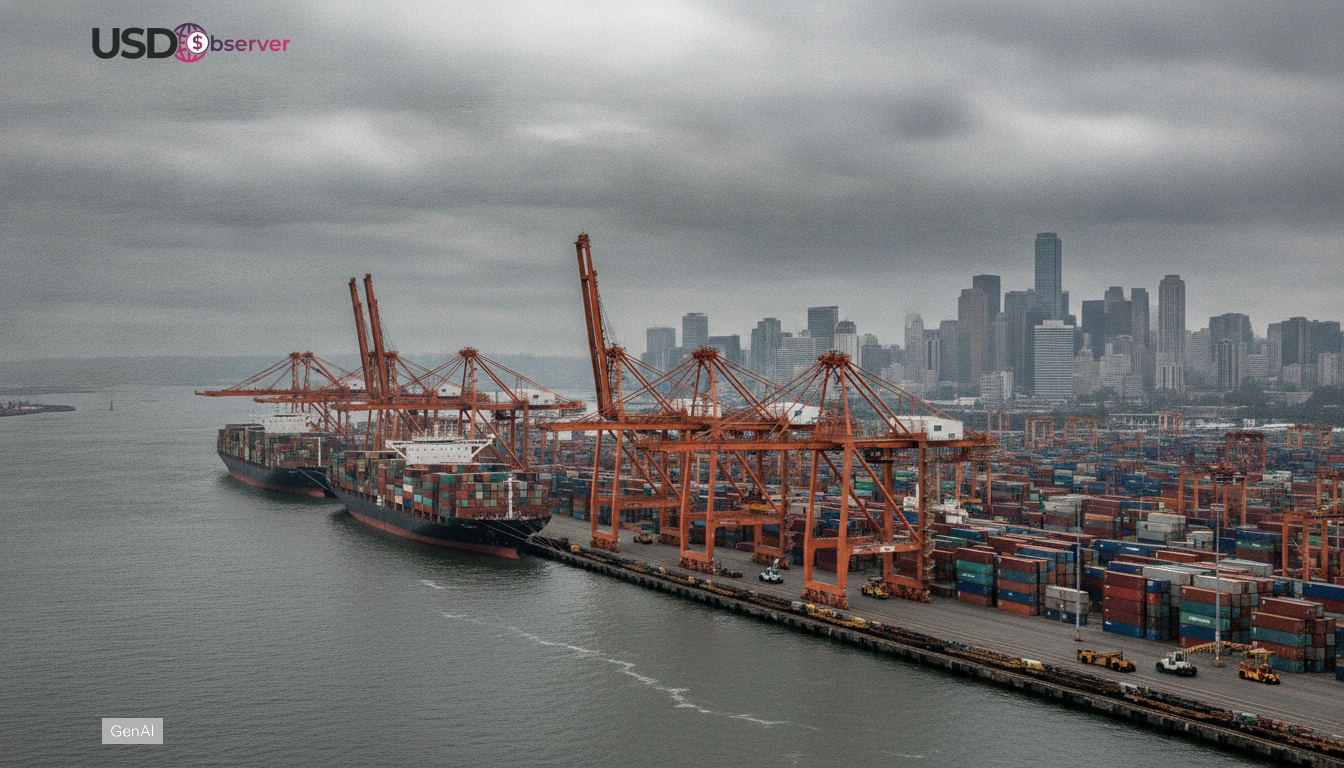
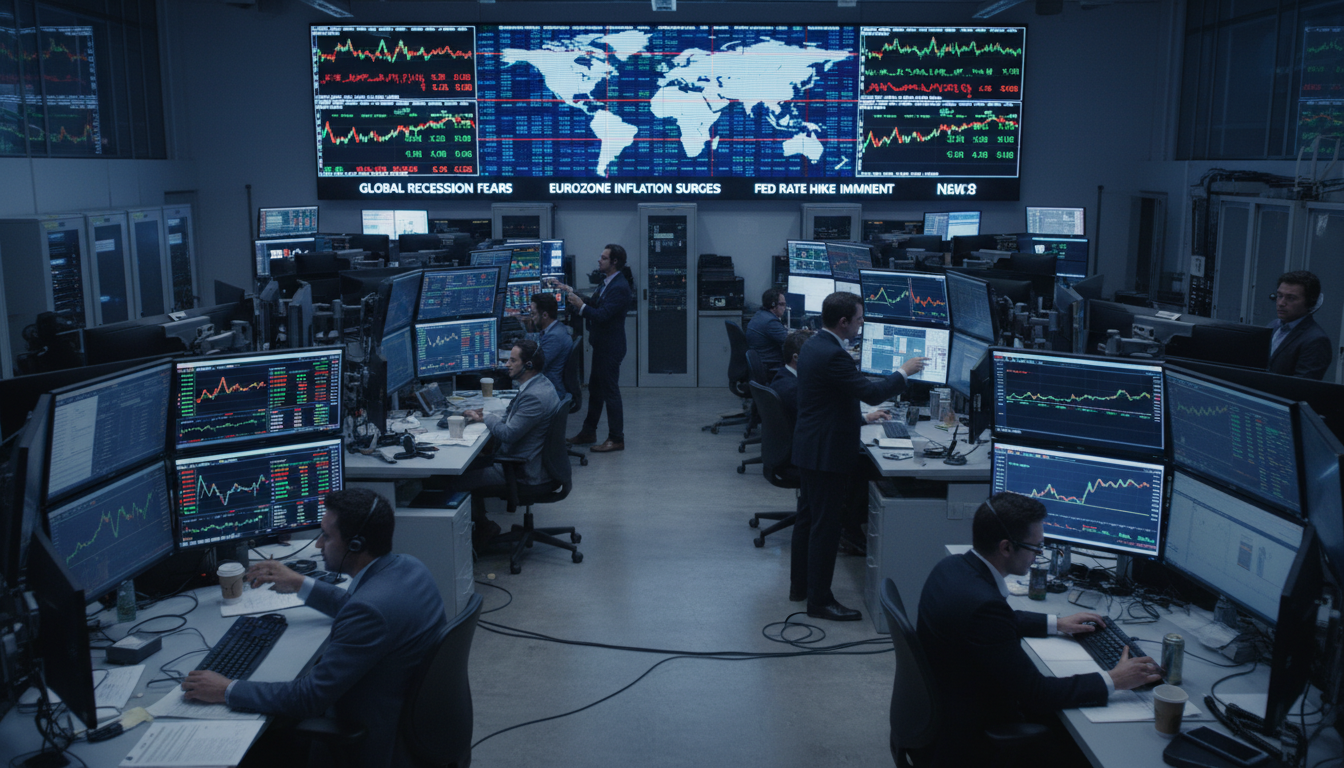
At the start of the session, traders focused more on trade policy than on central bank advice. The dollar dipped against multiple major currencies, driven by rising hedging costs and a defensive stance in cross-border flows. Market pricing revealed a retreat from dollar strength as concerns over tariffs weighed heavily on sentiment. According to Reuters, new tariff worries are influencing the greenback’s value, a sentiment echoed in various interbank reports. Caution remained prevalent as the hour progressed, with major dealing rooms reporting stable liquidity despite heightened sensitivity to the news.
Factors Leading to USD Decline
Rate expectations and incoming data also played pivotal roles in shaping the daily movements in the currency exchange landscape. Traders scrutinized the latest labor market indicators following the BBC’s report that US job figures exceeded expectations for the second consecutive month, which could indicate yield support. However, this doesn’t guarantee a boost in USD strength if trade tensions continue to threaten growth. Reports from the market indicated an exit from heavily positioned long dollar bets as options desks recalibrated their hedges. Alongside this, liquidity conditions related to cryptocurrencies were examined for potential spillovers, particularly with reference to the GENIUS Act puts stablecoins on a compliance track, which traders monitor for short-term funding signals. The midday update pointed out that the currency’s decline was primarily due to positioning rather than panic.
Global Reactions to Dollar Weakness
International markets viewed the dollar’s dip as a test of trade sensitivity rather than a significant shift in direction. In Europe, dealers noted that a weaker dollar might temporarily alleviate inflationary pressures from imports for some economies, though it complicates competitiveness for exports. Commentary from multinational banks emphasized how tariff impacts could alter corporate hedging strategies, leading some firms to secure forward rates sooner than anticipated. Reuters’ reporting on the tariff situation remained a key reference for price movements, with market players hesitant to ignore headlines too aggressively. During Asian trading hours, brokers reported that activity concentrated on major currency pairs, while high-yield currencies experienced mixed support as risk appetite fluctuated. The prevailing response was pragmatic, favoring hedges over directional speculation.
Long-term Implications for Trading
If uncertainty around tariffs lingers, trading strategies may shift focus from macroeconomic releases to political developments, heightening the importance of disciplined execution. Portfolio managers indicated that volatility could change rapidly when policy risks dominate the landscape, impacting carry trades and stop placements. Live analysts monitored whether broader USD strength might return based on yield differentials, cautioning that tariff-related risks could suppress risk appetite despite firm data. For further insights into how trade measures affect currency exchange, refer to New US Tariffs and Their Implications for Dollar FX, which outlines key channels traders follow, including import pricing and retaliation risks. The consensus from several banks was to maintain short horizons and differentiate between intraday headline movements and long-term rate-driven trends. The emphasis was clearly on execution quality and hedging discipline rather than speculation.
Expert Opinions on Market Trajectory
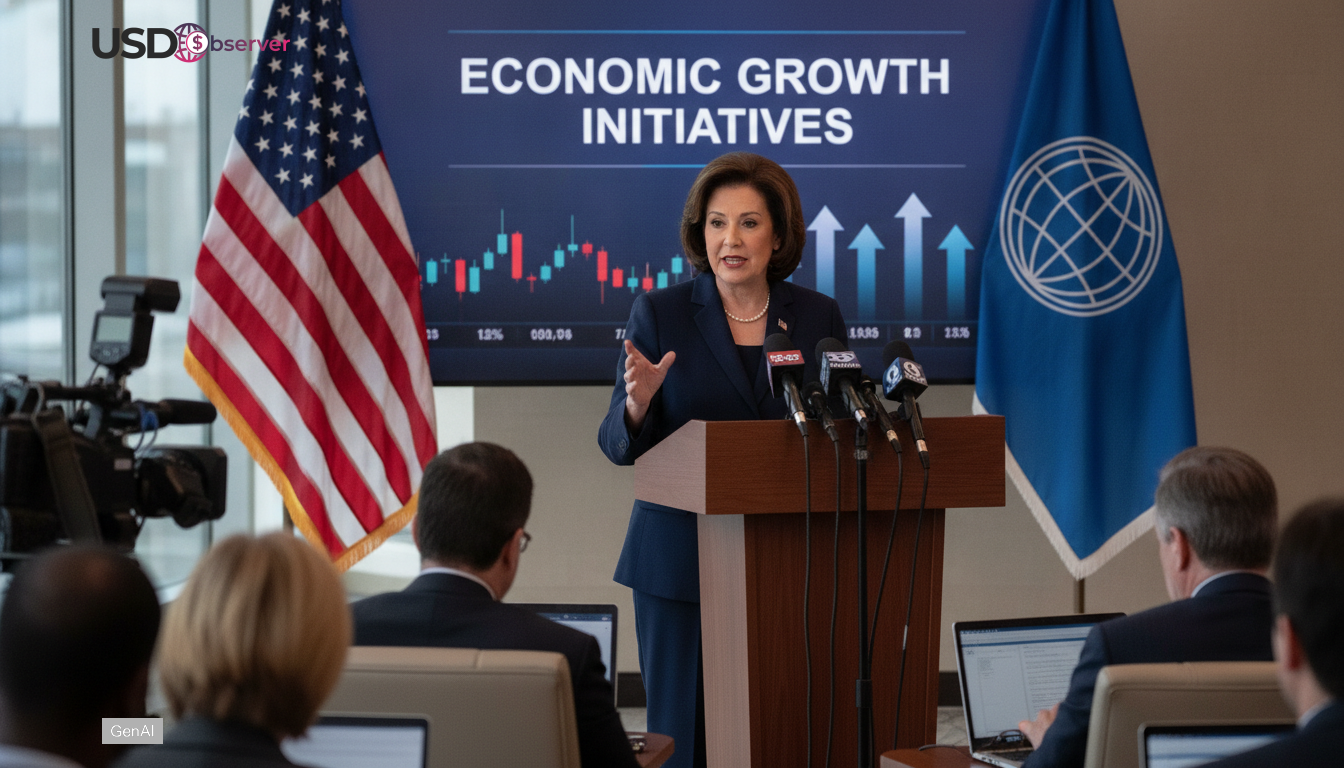
Strategists observed that this session serves as a reminder of the dollar’s capacity to soften, even without clear signals from the Federal Reserve regarding policy changes. Analysts indicated that the near-term direction will depend on whether tariff discussions escalate into concrete actions, which could result in ongoing instability in risk pricing. Insights shared by bank economists pointed out the market’s sensitivity to growth uncertainties, given that tariff impacts can erode corporate margins and disrupt supply chains, nudging investors toward diversification strategies. While Reuters’ coverage of the latest tariff concerns shaped the tone, analysts also indicated that narratives can shift swiftly if officials express restraint. The update late in the session revealed lighter positioning than earlier in the year, likely limiting momentum unless fresh headline catalysts arise. For the time being, traders are treating this move as tactical rather than indicative of a structural shift.