Cuba’s Energy Crisis Intensifies
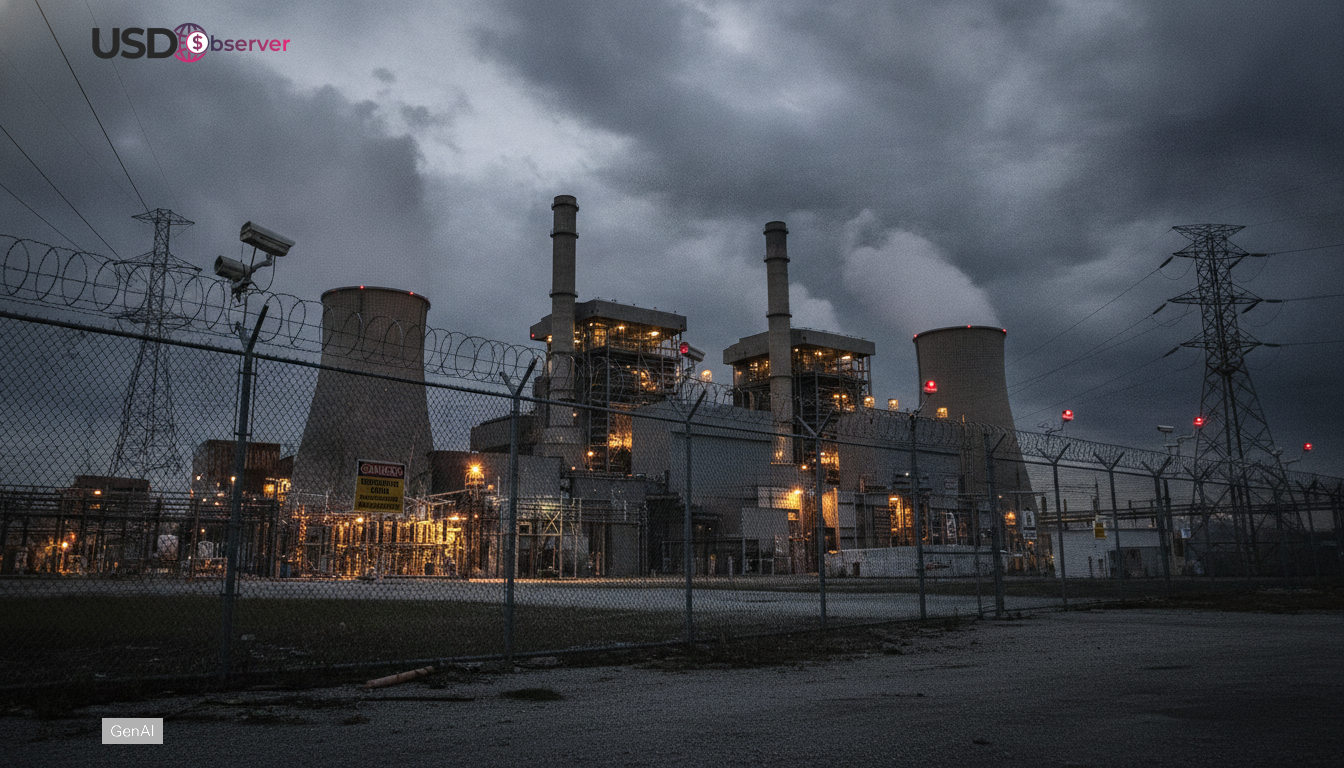
Havana faced another day of rotating blackouts as power plants and fuel logistics faltered, tightening conditions for households and factories. In the middle of these rolling disruptions, the Cuba energy crisis has become the central political issue, with ministers blaming fuel shortages and aging generation. Officials used state media to describe an emergency footing while utilities prioritized hospitals and key services. Today, grid operators issued a schedule of cuts and promised a Live restoration plan once fuel deliveries arrive and maintenance is completed. An Update from authorities stressed that essential transport and food cold chains would get priority as demand peaks.
Impact of US Blockade on Cuban Economy
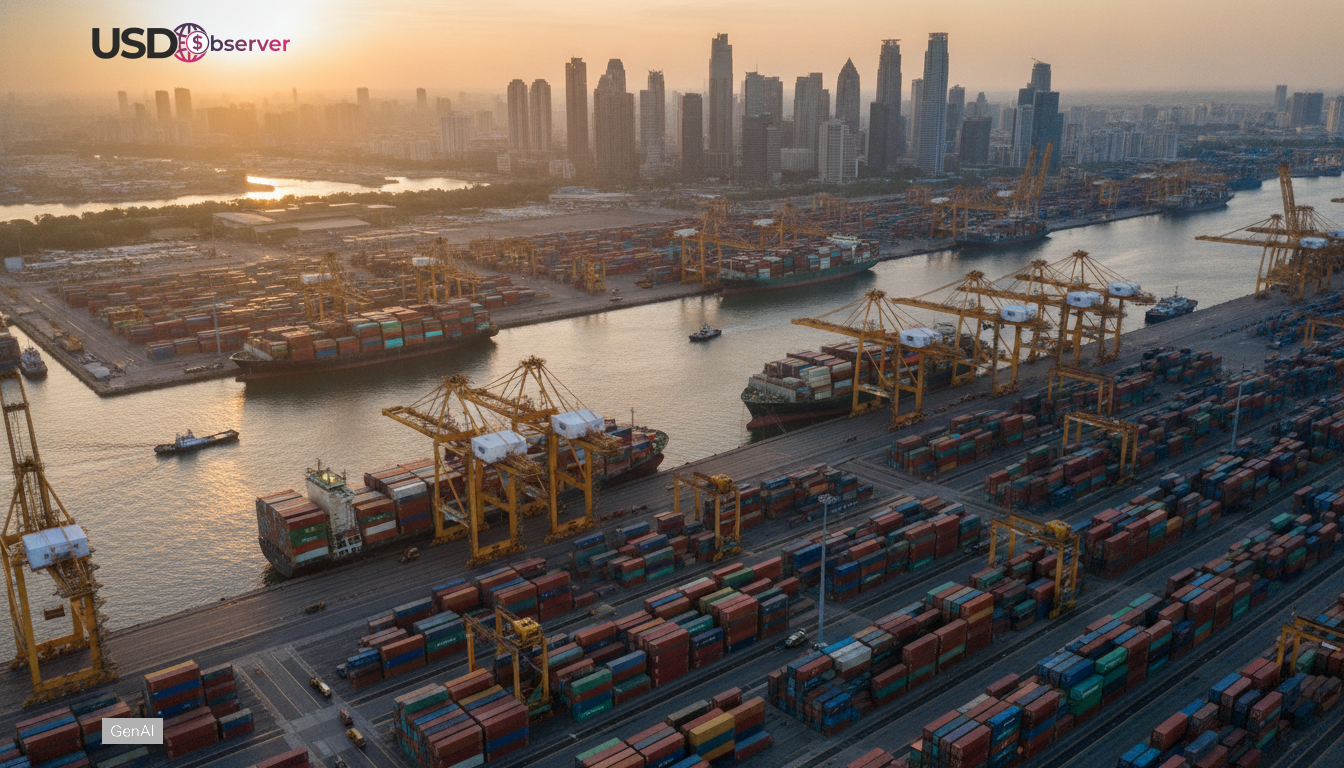
President Miguel Diaz-Canel argued that Washington should lift the US blockade rather than offer assistance, framing the shortage as a consequence of restricted financing and trade. In a separate economic context, the government pointed to foreign currency constraints and payment frictions that limit fuel procurement, tying the situation to the global economy and volatile energy import costs. A parallel view of macro pressures appears in Stablecoins, GENIUS Act, and New Rules Ahead, which tracks how compliance and liquidity rules can affect cross border payments. Reuters reported his comments as outages spread and public frustration grew. Today, officials said a Live dialogue with international partners continues, and an Update on import arrangements would follow.
Public Protests Over Power Shortages
Small street demonstrations flared in several neighborhoods as residents demanded faster power restoration and clearer outage schedules, with videos circulating on social platforms. Reuters described protests linked to extended cuts and heat, while Cuban state outlets emphasized public order and rapid response teams. In the middle of the tense atmosphere, the Cuba energy crisis is testing local governance as officials try to keep food distribution and water pumping stable during outages. Today, municipal leaders held Live meetings with community representatives to explain rationing plans and repair timelines in Havana. An Update from provincial authorities said additional mobile generators were being positioned to protect clinics and critical communications.
Cuban Government’s Response and Strategy
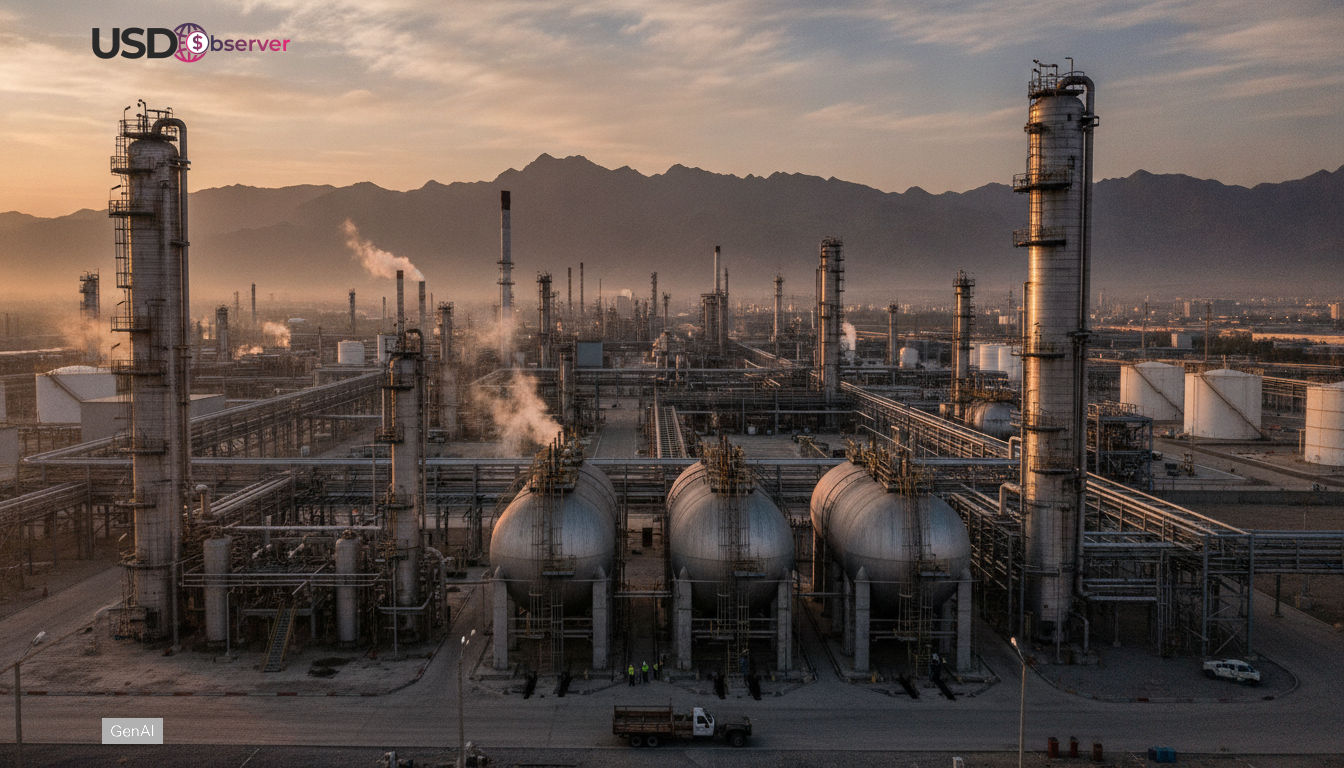
Energy and transport officials said the near term strategy centers on stabilizing fuel supply chains, accelerating repairs, and shifting demand away from peak hours. The Ministry of Energy and Mines said on state television that maintenance backlogs and equipment failures have compounded shortages, and it pledged tighter coordination between ports, refineries, and power stations. For a broader currency angle, analysts often compare import pressure to moves covered in How Trade Deficits Move the U.S. Dollar in FX when hard currency availability tightens. Today, managers described Live monitoring of generation units, and an Update on restored capacity would be released after inspections and synchronization tests.
Future Prospects for US-Cuba Relations
Diplomatic prospects remain constrained as Havana repeats that sanctions relief is the necessary step to ease financing for energy imports, while Washington keeps policy conditions linked to governance and rights. Reuters framed the dispute around whether aid addresses symptoms rather than structural restrictions, and both sides signaled limited immediate movement. In the middle of this standoff, the Cuba energy crisis is likely to keep influencing talks with regional partners and lenders, because electricity reliability affects tourism receipts and industrial output. Today, officials said Live technical contacts on migration and security continue even when politics stall. An Update from Cuban diplomats indicated they will keep pressing for changes that expand trade and payment access.