China’s Strategy with Zero-Tariff Policy
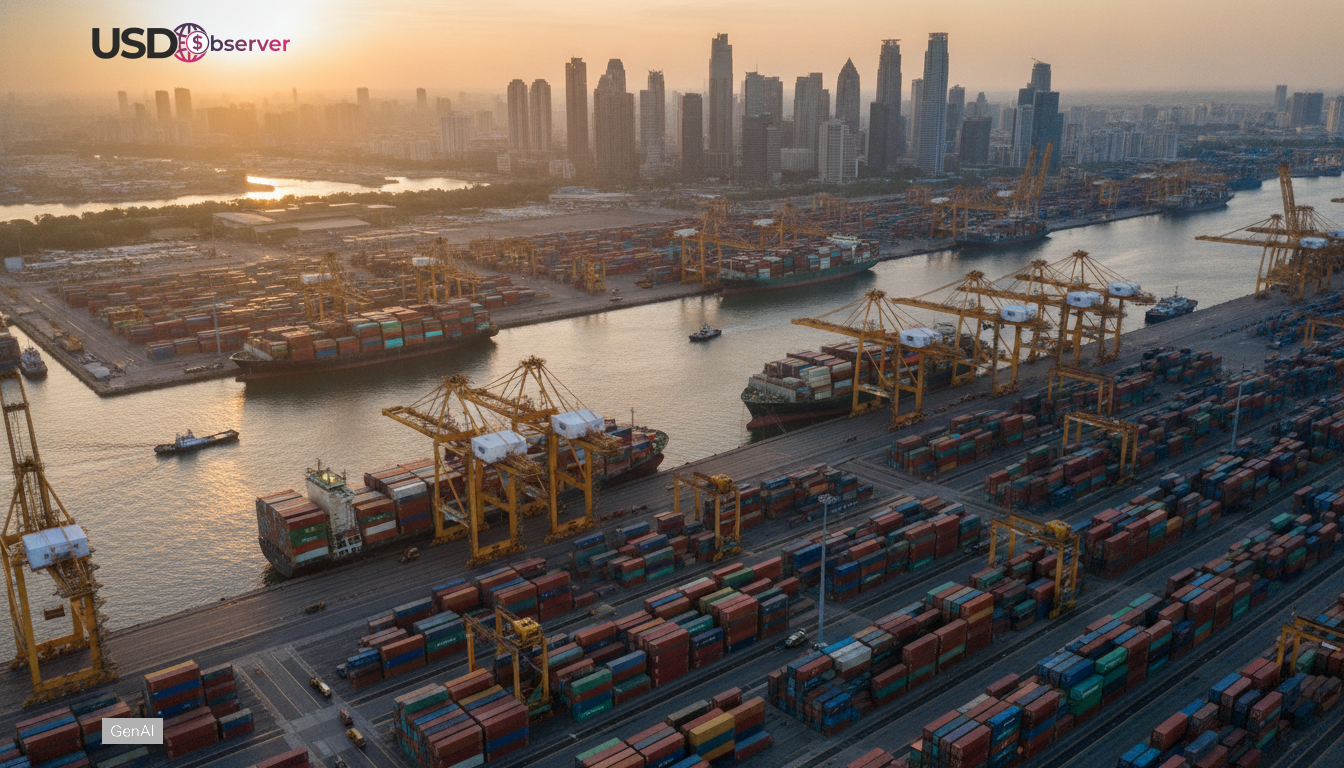
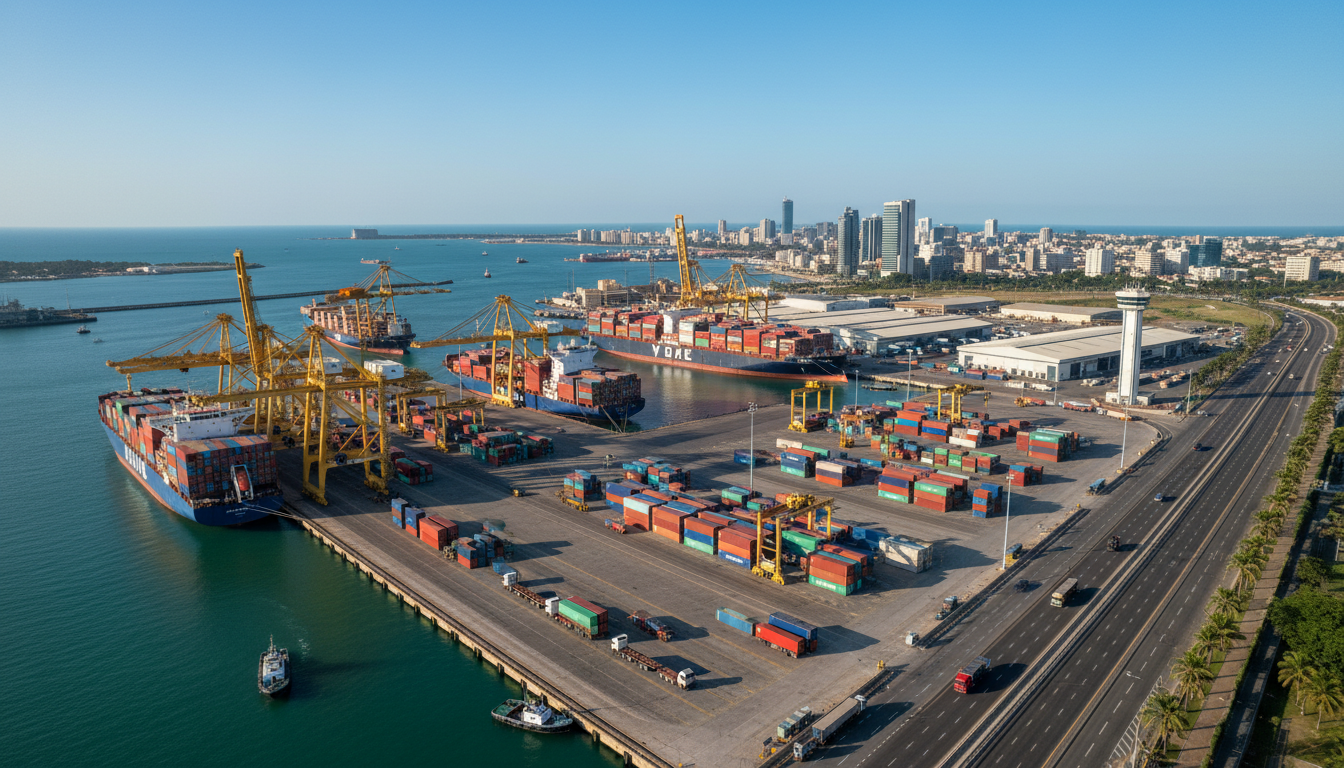
Beijing has moved to scrap tariffs on imports from nearly all African countries, leaving one exception, and the timing is aimed at near term influence rather than long range symbolism. Midway through the announcement cycle, China soft power became the subtext as diplomats highlighted partnership language alongside customs details. In official statements carried by China’s Ministry of Commerce and China’s State Council Information Office, the change was framed as support for African exporters and deeper market access. Today, African trade ministries are recalculating which product lines suddenly clear Chinese ports at lower cost, while Live pricing talks are taking place between buyers and suppliers. The first round of Update briefings from chambers of commerce is already shifting order books.
Economic Impacts on African Nations
The immediate effect of the zero-tariff policy is a narrower landed cost for eligible goods, which can improve margins for African exporters competing inside China’s consumer market. Customs and logistics firms say the advantage depends on documentation speed, rules of origin, and whether exporters can scale shipments without bottlenecks. For context on how household budgets and input costs can turn on small price changes, the BBC detailed market monitoring in its item on fuel pricing and enforcement, and readers can compare the approach in No evidence of widespread fuel price-gouging, watchdog says. China tariffs are still a constraint for any excluded country and for non covered categories. Today, Live contract renegotiations are underway, and an Update from several African export councils is expected within days.
Analysis of Soft Power Implications
The diplomatic angle is not subtle, because tariff relief functions as a visible benefit that can be cited in bilateral meetings and multilateral forums. Analysts at the Brookings Institution and the International Institute for Strategic Studies have long argued that trade concessions can translate into agenda setting power, even when the commercial volumes are uneven. For financial audiences tracking cross border settlement, related discussions about China’s policy signaling have appeared in HK USD Stablecoin Signals Shift in China Policy. In that context, China soft power is reinforced by the ability to point to a concrete policy lever rather than a pledge. Live messaging from embassies is pairing the tariff move with investment narratives. Today, an Update cadence across official channels is keeping the initiative in headlines.
Potential Uneven Gains Across Africa
The benefits are likely to concentrate where exporters already have compliant factories, established shipping routes, and products that match Chinese demand, which can leave smaller economies with limited short term upside. The African Union’s trade officials have repeatedly emphasized that preferences matter less when infrastructure, standards testing, and financing are missing, a point echoed in World Bank logistics performance discussions. Currency swings also matter for contracts denominated in USD, and market context is tracked in Dollar Dominance in 2025: Reserves, Trade, Policy. This is where china tariffs 2025 becomes a practical question, because firms need to know whether preferences persist long enough to justify capex. Today, Live consultations with banks and insurers are focusing on payment terms. An Update from port operators is expected as capacity is reallocated.
Future Outlook for Sino-African Relations
What happens next will depend on how the tariff rollback is administered at the border, whether exemptions are clarified quickly, and how African governments respond with industrial policy and export readiness. Beijing’s broader posture is also shaped by external competition and its own domestic priorities, so china tariffs us debates remain part of the background for global trade diplomacy even when Africa is the headline. Today, Live attention is on implementation notices, product codes, and the speed of customs clearance. China soft power will be tested by whether firms actually feel lower friction, not just hear about it at summits. An Update cycle that includes publishable customs guidance would make the policy durable. If the rules stay stable, trade ties can deepen on measurable, transactional terms.