Central banks across major economies are facing growing political pressure as governments grapple with high borrowing costs and record levels of public debt. From Washington to Frankfurt and Tokyo, monetary authorities are defending their independence, even as their stance risks drawing them deeper into political debate.
In the United States, Federal Reserve Chair Jerome Powell has resisted calls from President Donald Trump for faster interest rate cuts. With inflation still above target and labor markets resilient, the Fed has maintained a cautious approach, signaling that policy easing will depend on sustained progress in price stability. Political criticism has intensified as borrowing costs remain elevated, particularly ahead of a heavy US Treasury refinancing calendar.
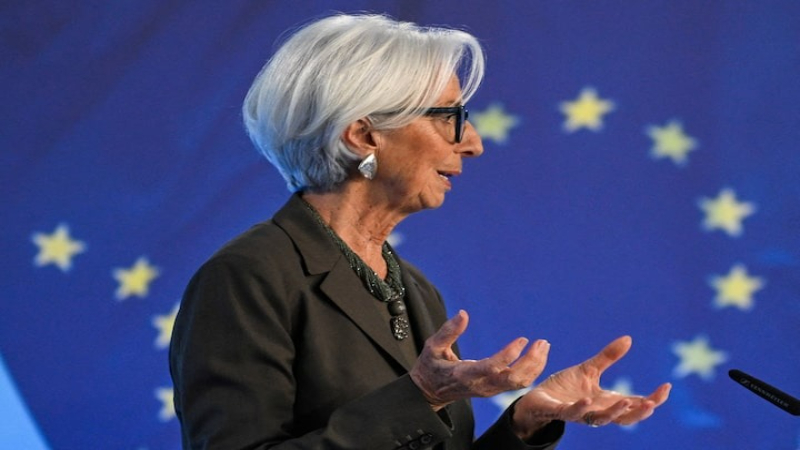
In the euro area, the debate has taken a different tone. European Central Bank President Christine Lagarde has repeatedly reaffirmed the institution’s commitment to price stability, while political dynamics in member states have fueled speculation about leadership continuity. Discussions around early departures by senior central bank figures have highlighted concerns about preserving policy consistency amid shifting electoral landscapes.
The Bank of Japan is also navigating political crosscurrents. Despite government appointments perceived as dovish, the BOJ has reiterated its readiness to continue gradual policy normalization as inflation stabilizes above its long term target. The experience of currency volatility and bond market sensitivity has reinforced the importance of policy credibility in Tokyo.
At the heart of the tension is the legacy of the past decade. Central banks expanded balance sheets dramatically through asset purchase programs during the global financial crisis and the pandemic. Ultra low interest rates and large scale bond buying blurred the boundary between fiscal and monetary policy. As inflation surged following pandemic disruptions, central banks were forced to reverse course, tightening policy aggressively to restore price stability.
This shift has reopened debate about the proper role of central banks in democratic systems. While legal frameworks in the United States, the euro area, and Japan provide operational independence, central banks remain accountable to elected institutions and public opinion. Calls for lower borrowing costs often reflect fiscal pressures, especially as governments face rising defense spending, social obligations, and debt servicing costs.
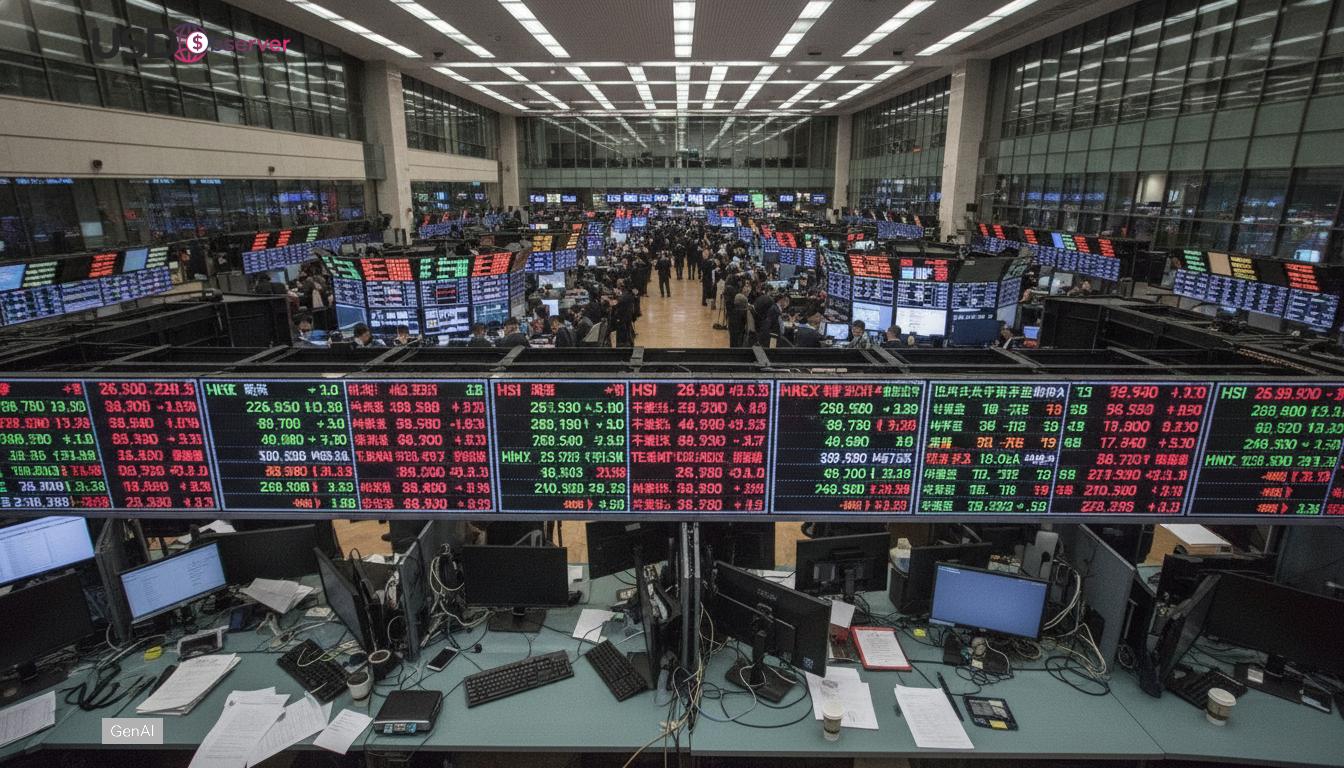
Financial markets play a critical role in shaping outcomes. Attempts to influence monetary policy can trigger higher bond yields, currency depreciation, and renewed inflation expectations if investors perceive diminished independence. Episodes in emerging markets have demonstrated how quickly confidence can erode when central bank autonomy weakens.
For now, major central banks continue to emphasize data dependence and mandate driven decisions. Yet the more openly they defend their independence, the more they risk being portrayed as political actors themselves. The evolving relationship between governments and monetary authorities will shape the trajectory of interest rates, inflation expectations, and currency stability throughout 2026.