Crypto & Technology
How Safe Is Your Crypto? Security Risks Every Investor Should Know
Cryptocurrency has opened doors to a new financial world—one where anyone can send, receive, and invest in digital assets without relying on banks.


Cryptocurrency has opened doors to a new financial world—one where anyone can send, receive, and invest in digital assets without relying on banks.
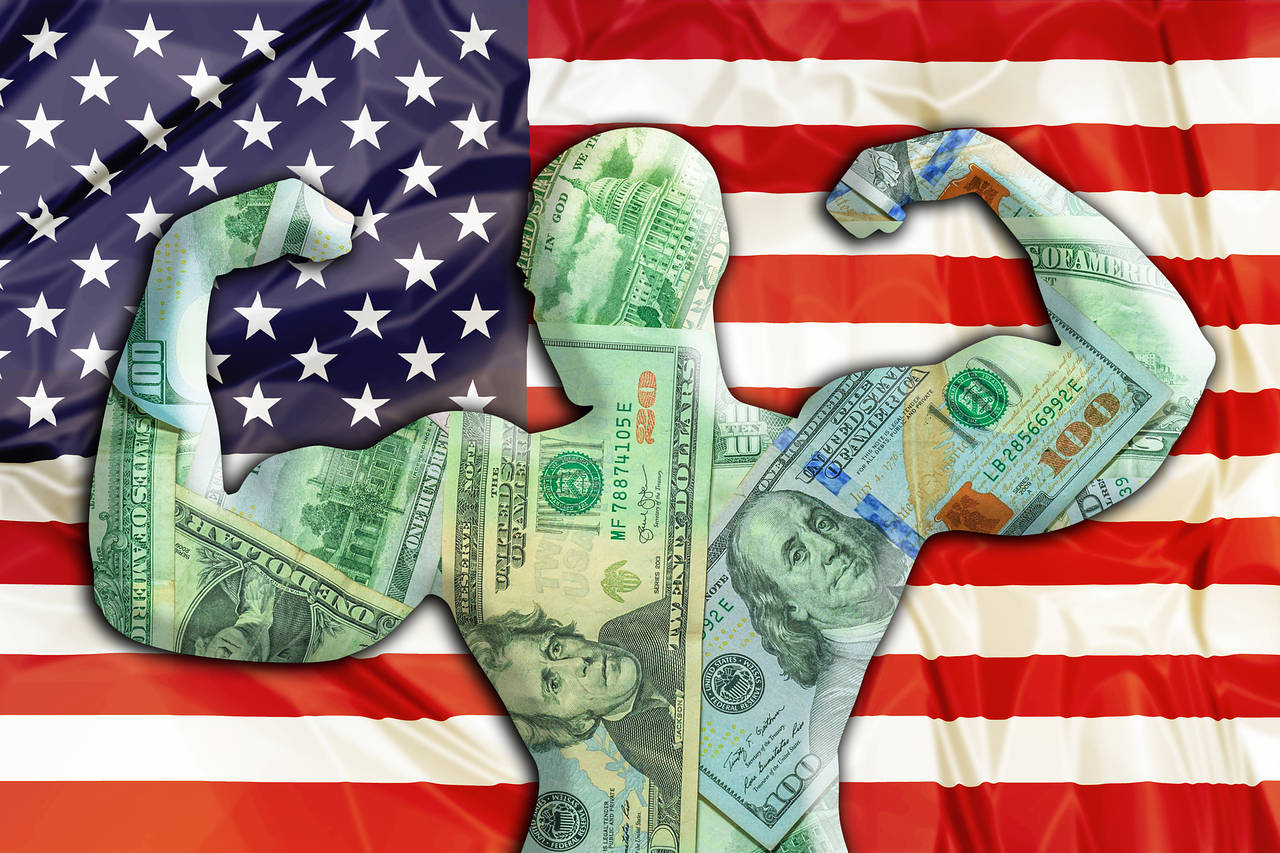
When U.S. inflation surged to four-decade highs, the Federal Reserve pivoted from patience to a front-loaded hiking campaign.

From 2020 through 2025, the U.S. dollar faced two powerful currents. At home, the Federal Reserve wrestled with pandemic recovery, surging inflation

For centuries, gold has been humanity’s most trusted store of value. From empires and monarchs to modern central banks

Every first Friday of the month, the release of the U.S. Non-Farm Payrolls (NFP) report becomes one of the most anticipated events in global financial markets.

Throughout 2021, the Consumer Price Index (CPI) became the most watched U.S. economic indicator. Month after month, inflation prints beat expectations:
Washington, September 7, 2025 – As stablecoins cement themselves as the backbone of global crypto trading, the U.S. government faces a pivotal question:
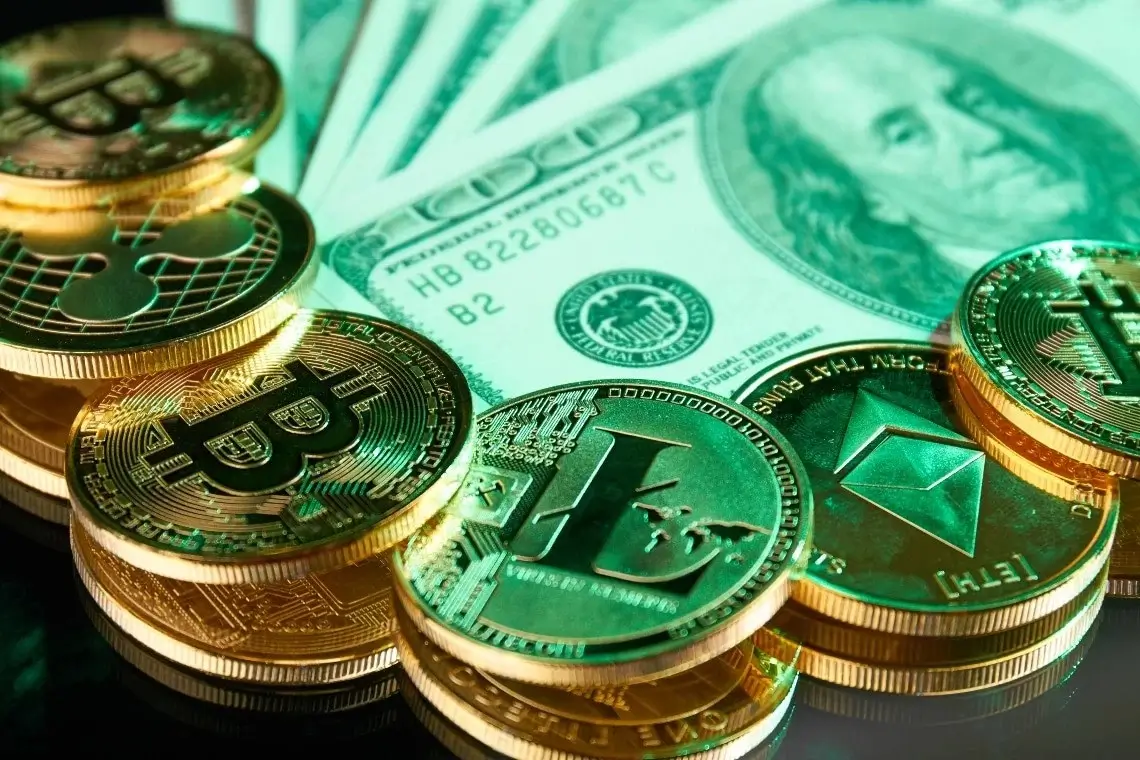
Cryptocurrencies have transformed how we think about money, but one challenge has always persisted: volatility. While assets like Bitcoin and Ethereum can rise dramatically, they can also fall just as quickly, making them difficult for everyday use.

Crypto markets don’t just run on charts, numbers, or algorithms. They run on human emotions.
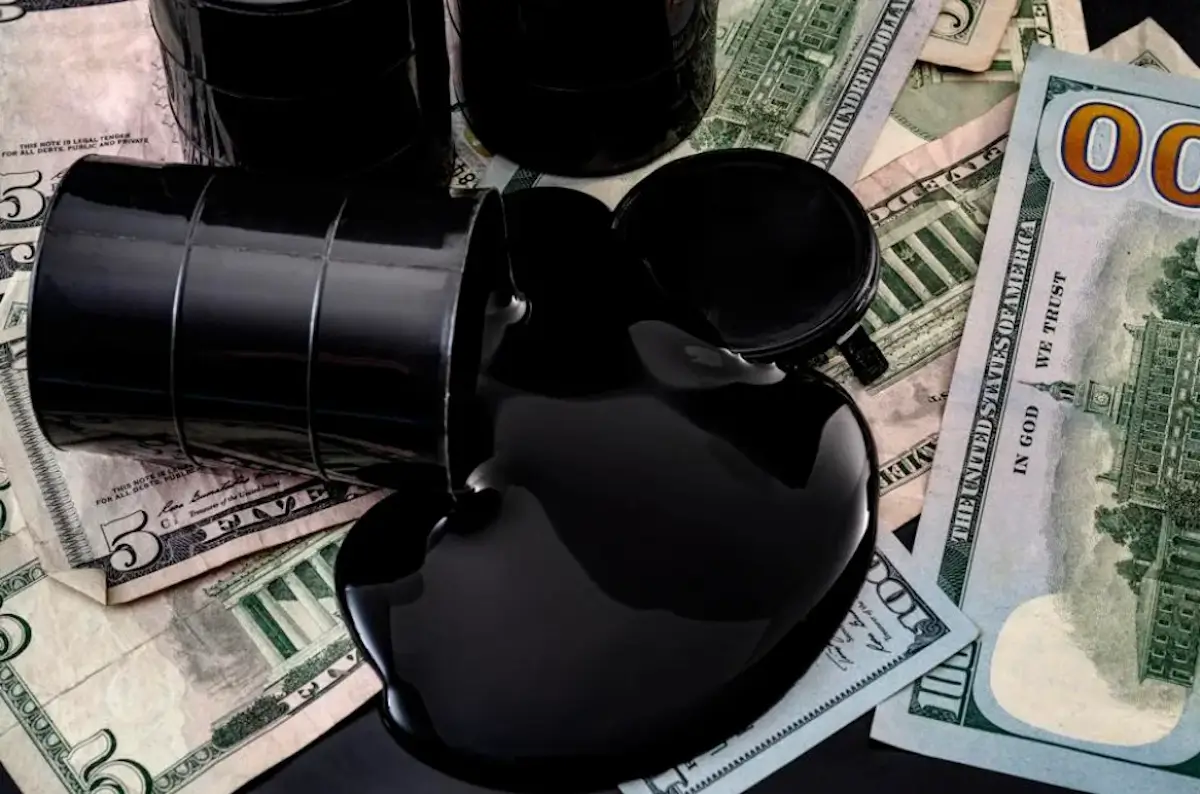
For nearly five decades, the petrodollar system has been a cornerstone of the global financial order. Since the 1970s, oil transactions have been overwhelmingly priced and settled in U.S. dollars