Fluctuations in African Currency Value
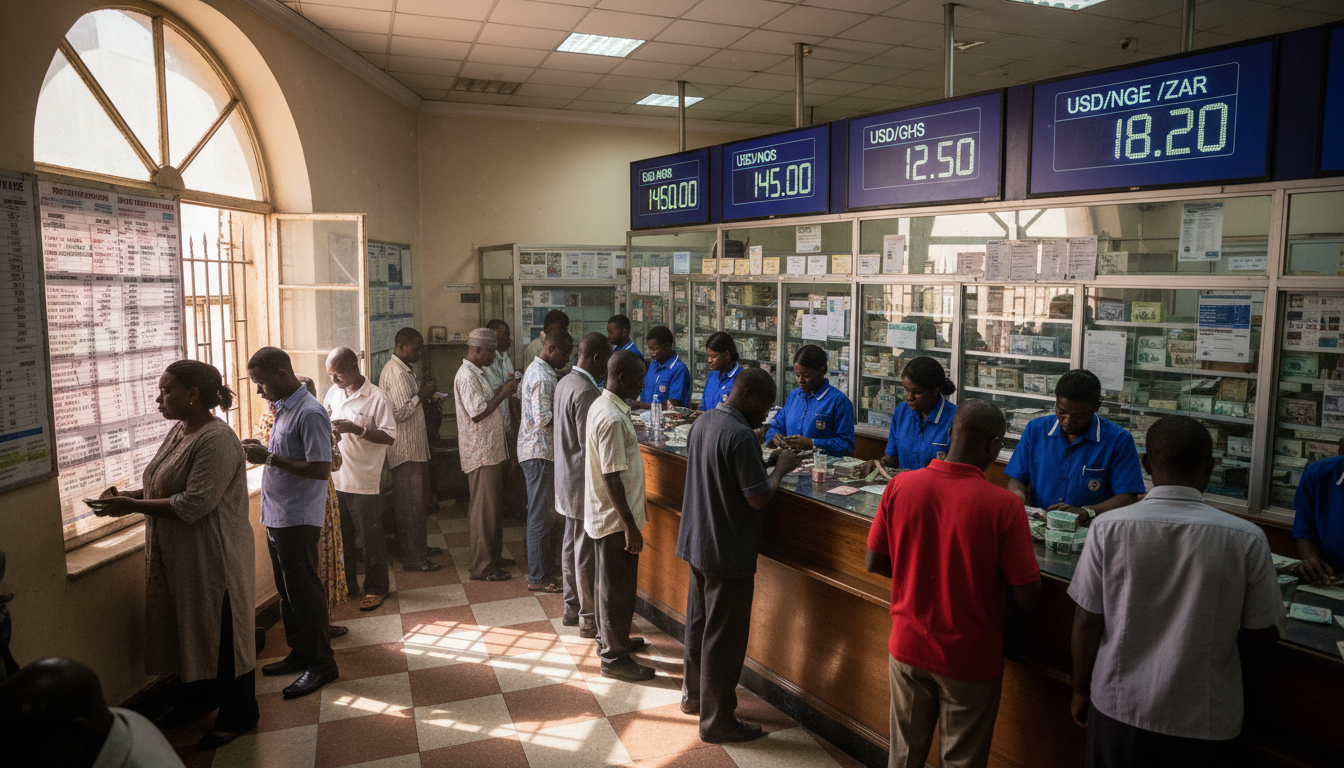
Currency desks are viewing African quotes as agile risk signals today. Wider bid-offer spreads have emerged, particularly during London and New York trading hours. A recent Statista report titled “Exchange rate of African currencies to U.S. dollar as of August 2023” illustrates the diverse trading behaviors across the continent, even without factoring in intraday fluctuations. Traders monitoring the Dollar index in conjunction with regional rate decisions have observed significant divergences in live pricing, especially between commodity-exporting nations and those reliant on imports. Meanwhile, remittance and tourism flows are being closely examined as short-term market catalysts. This dynamic landscape has compelled treasurers to refine their hedging strategies and seek more frequent updates from financial institutions.
Influences on African Forex Markets
This month, policy announcements, energy prices, and US data releases are playing pivotal roles in shaping Forex markets throughout Africa. Desks are requesting immediate updates following high-stakes economic reports. The latest data regarding US job performance, detailed by the BBC in US jobs data beats expectations for second month in a row, is being leveraged by traders to gauge USD momentum. When unexpected labor statistics emerge, there is a rapid repricing of USD liquidity and risk appetite, which can lead to gaps in local markets at the opening. Additionally, corporate treasurers are now comparing onchain settlement expenses as the influence of stablecoins grows, as discussed in Stablecoin Growth Brings New Risks for Markets Now. Live order flows remain contingent on local inflation data and central bank guidance.
Impact of USD on African Economies
Policymakers are primarily focused on import bills and hard currency debt servicing, the critical pressure points manifesting first in spot quotes and forward points. A firm Dollar index can lead countries with significant fuel and food import dependence to experience quicker increases in domestic prices, which in turn leads banks to adopt stricter liquidity management practices. For further context on the Dollar’s role in reserves and settlements, see Why the US Dollar Still Anchors Global Reserves. In response, finance ministries often implement targeted FX auctions or temporary measures. Traders pay keen attention to these updates, interpreting them as signals for future pricing patterns. The impact of live markets is especially evident where parallel market spreads are expanding and corporations are postponing payments.
Historical Context of Foreign Exchange Rates
Traders are currently anchoring risk limits to historical stress episodes rather than relying on long-term averages. This recalibrating process occurs after every live session, underscoring the significance of Statista’s August 2023 cross-country report as a benchmark for movements of African currencies against the Dollar prior to relevant policy actions. These traders often assess whether such movements correlate with shifts in trade terms, electoral cycles, or abrupt changes in external financing conditions. Updates regarding global freight, food, and energy pricing can swiftly redefine fair value assumptions without needing quarterly figures, leading many desks in August 2023 to reference earlier 2022 stress periods for crafting intraday limits. This context clarifies why similar outward depreciation can yield vastly different local ramifications based on market depth and capital restrictions.
Future Projections for Currency Exchange
In the near term, projections are being framed tactically, with banking institutions releasing more precise scenario bands that get refreshed as new data arrives. Analysts are mapping forward curves according to anticipated rate paths, differentiating between local drivers and broader USD strength. While the Dollar index plays a central role, desks are also monitoring country-specific reserve sufficiency and rollover plans to evaluate potential risks. Updates from central banks or finance ministries can significantly alter perceptions of intervention, liquidity, and the feasibility of executing hedges in the upcoming quarter. Live pricing indicators now include swap point volatility and the readiness of exporters to convert their receipts, both of which are likely to change swiftly with policy developments.