Impact of Iran Tensions on Oil Prices
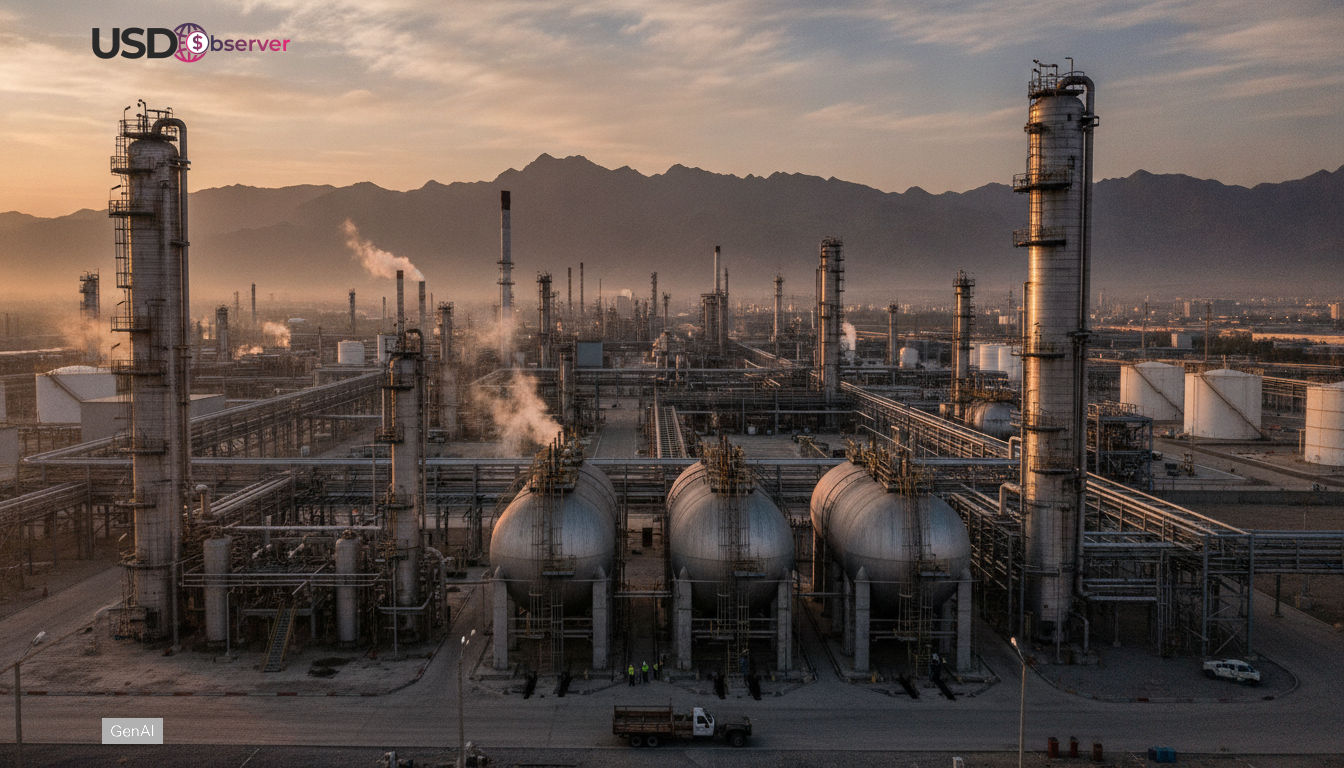
Oil prices surged as traders repriced supply risk linked to the Iran conflict after fresh Trump threats signaled a wider strike envelope and kept the Strait of Hormuz in focus. Brent and WTI both moved sharply higher in early dealing as refiners, airlines, and shipping firms scrambled to hedge prompt barrels, pushing the front of the curve into a tighter structure. Today, the move was led by near dated contracts rather than distant months, a pattern that often reflects fear of disruption, not just macro demand. A Live read of positioning showed fast money adding length while physical buyers paid up for optionality. The price spike also lifted implied volatility, forcing risk managers to rebalance energy exposure across portfolios.
Global Market Reactions and Share Drops
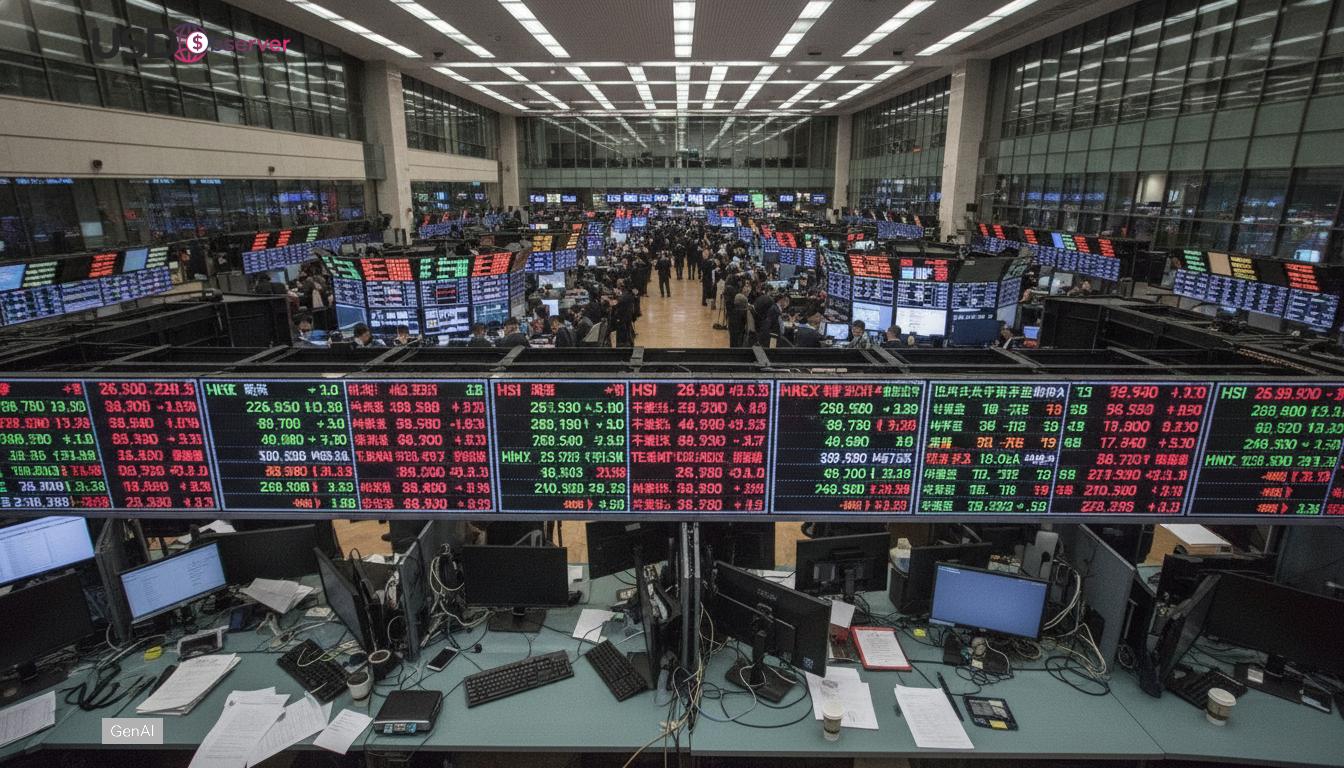
Global markets reacted with a classic risk off rotation, shares fell, defensive sectors outperformed, and energy stocks briefly provided a cushion before broader selling pressure took hold. The initial shock traveled through equity index futures and then into cash trading, where liquidity thinned and intraday ranges widened. An Update from desks following cross asset flows showed USD demand picking up as investors reduced exposure to cyclicals and emerging market risk. In commodities adjacent names, shipping and petrochemicals were hit by margin concerns, while airlines sold off on higher fuel cost assumptions. For a wider view of how conflict headlines can spill into policy and market structure, stablecoin regulation and political funding developments highlighted the same impulse toward regulatory and funding scrutiny when volatility rises.
Potential Long-term Effects on the Global Economy
The longer the Iran conflict premium persists, the more it tightens financial conditions for importers and squeezes growth, especially where energy subsidies are limited and current account balances are fragile. Higher crude filters quickly into transport and manufacturing inputs, then into food logistics, reinforcing inflation stickiness even if demand softens. Central banks that had been preparing to ease could face a narrower path, because a renewed energy driven price pulse complicates the inflation narrative. Today, the market response was visible in rate expectations and in credit spreads, where high yield energy issuers rallied but broader risk credit weakened. A Live view of macro hedging showed increased interest in inflation protection and shorter duration, not a full flight to cash, but a clear upgrade in caution.
US-Iran Relations and Historical Market Impacts
US-Iran relations have repeatedly generated fast, mechanical moves in oil prices and equities, with the first reaction often led by headline velocity and the second by confirmed operational impact on flows, insurance, and shipping routes. History shows that when threats escalate into action, the market shifts from pricing uncertainty to pricing logistics, refinery slates, and replacement barrels, a less emotional process but often a more persistent one. Trump threats in particular have tended to amplify reaction functions because they arrive with limited lead time and can reset diplomatic assumptions in minutes. An Update from regional analysts tracked by major wires linked the latest rhetoric to higher risk premia in energy freight and to a repricing of Middle East correlated assets. The equity market drop was therefore not just sentiment, it reflected cost of capital stress.
Strategies for Investors Amid Middle East Tensions
For investors navigating Middle East tension, the priority is controlling exposure to the oil price channel without overpaying for protection, and doing it in ways that respect correlation shifts across assets. Energy producers can offer a partial hedge, but the same geopolitical shock that lifts crude can still pull the whole tape down, so position sizing matters. In FX, USD strength can be temporary if higher oil worsens the US trade balance, yet in the first wave it often benefits from safe haven demand, which is why USD, forex pairs become a key transmission line. Linkages around shipping chokepoints remain central, as detailed in analysis of the Strait of Hormuz and global economic exposure, and the immediate market playbook favors liquidity, diversification, and disciplined hedging rather than chasing momentum.
Strategies for Investors Amid Middle East Tensions
Risk aware portfolios also watch how energy shocks feed into labor data, consumer demand, and corporate margins, because second round effects can matter more than the first spike. If fuel costs stay elevated, transportation, retail, and industrials feel the pressure, and earnings revisions can become the driver of further share declines. The latest tape action echoed the pattern described in coverage of the US-Iran conflict jolting markets, where equity volatility rises as investors reassess both geopolitics and policy response. Another Update from market commentators pointed to the importance of monitoring confirmed supply disruptions rather than headline noise, and of using scenario analysis tied to shipping constraints and inventory levels. A Live market environment rewards patience, because snap rallies and reversals can punish reactive trades even when the core thesis is correct.