Introduction
The U.S. dollar (USD) is more than just a currency — it is a tool of influence, a safe-haven asset, and often a weapon in the complex chessboard of geopolitics. Whenever wars erupt, sanctions are imposed, or nations engage in competitive devaluations, the dollar inevitably finds itself at the center of global attention.
From sanctions against Russia to tensions in the Middle East and rising talk of “currency wars” between major economies, geopolitics continues to shape USD dynamics in ways that go beyond standard economic fundamentals. For traders, analysts, and policymakers, understanding these forces is essential in predicting how the dollar will behave in times of crisis.
Sanctions and the Dollar’s Dominance
- Weaponization of Finance
- The U.S. dollar dominates global trade, accounting for nearly 90% of all forex transactions and serving as the backbone of international payments through systems like SWIFT.
- Washington’s ability to restrict access to dollar-clearing has turned sanctions into a powerful geopolitical weapon.
- Case Study: Russia (2022–Present)
- After the invasion of Ukraine, the U.S. and its allies froze Russian reserves and cut banks off from SWIFT.
- This forced Moscow to rely on alternative currencies (like the yuan) and highlighted the geopolitical leverage embedded in the dollar system.
- Impact on USD
- In the short term, sanctions often strengthen the USD, as investors seek safety.
- But in the long term, repeated use of dollar sanctions fuels “de-dollarization” efforts, as countries look for alternatives.
Wars and Conflict: The Dollar as a Safe Haven
- Flight to Safety
- In times of geopolitical conflict — from wars in the Middle East to tensions in Taiwan — investors flock to the USD and U.S. Treasuries.
- The logic is simple: The U.S. offers deep, liquid markets and relative stability compared to regions in turmoil.
- Historical Reactions
- Gulf War (1990–91): Oil prices spiked, but the USD strengthened as global investors sought safety.
- Russia-Ukraine War (2022): DXY surged above 110, its highest in two decades, as investors priced in geopolitical risk.
- Energy Markets as a Driver
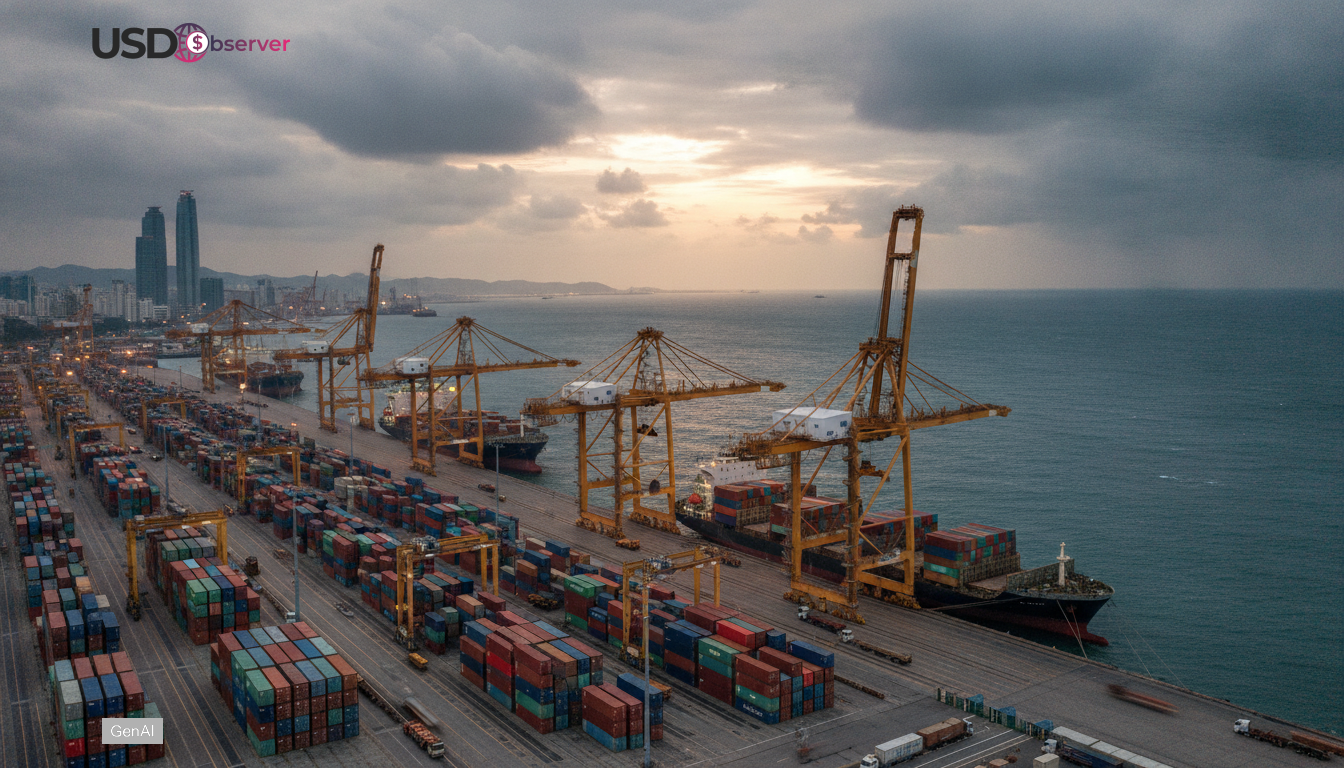
- Since most commodities, especially oil, are priced in dollars, wars that disrupt energy supplies often create USD demand, further cementing its role as a crisis currency.
Currency Wars: Competitive Devaluations and USD Power
- What Are Currency Wars?
- A “currency war” occurs when countries deliberately devalue their currencies to boost exports and gain trade advantages.
- While this weakens local currencies, it typically strengthens the USD, as traders seek stability.
- Examples
- China’s Yuan Policy: Repeated devaluations during trade tensions with the U.S. put upward pressure on USD/CNY.
- Emerging Markets: Nations like Turkey and Argentina have at times attempted competitive depreciation, only to see capital flight into the dollar.
- U.S. Position
- The U.S. often criticizes others for currency manipulation, yet paradoxically benefits when global capital flows into the USD during these episodes.
The Double-Edged Sword of Dollar Strength
While geopolitics often boosts the dollar, it also creates challenges:
- Stronger USD → Pain for Emerging Markets
- Countries with USD-denominated debt struggle to repay when the dollar strengthens.
- This leads to financial instability in regions like Latin America and Southeast Asia.
- Global Push for Alternatives
- China, Russia, and members of BRICS have accelerated efforts to create non-dollar payment systems.
- Initiatives such as the digital yuan or settlement in local currencies reflect a desire to reduce dollar dependency.
- Fragmentation Risk
- If too many countries move away from the dollar, its dominance could slowly erode — but for now, the USD remains unparalleled in scale and trust.
Trading Implications of Geopolitical Risk
- Short-Term USD Strength
- Wars and sanctions typically create risk aversion, boosting USD and Treasuries.
- Forex traders often position long USD against risk-sensitive currencies (e.g., EUR, GBP, EMFX).
- Medium-Term Divergence
- If geopolitical shocks disrupt U.S. growth (e.g., oil shocks), USD may weaken relative to safe-haven peers like CHF or JPY.
- Volatility Premium
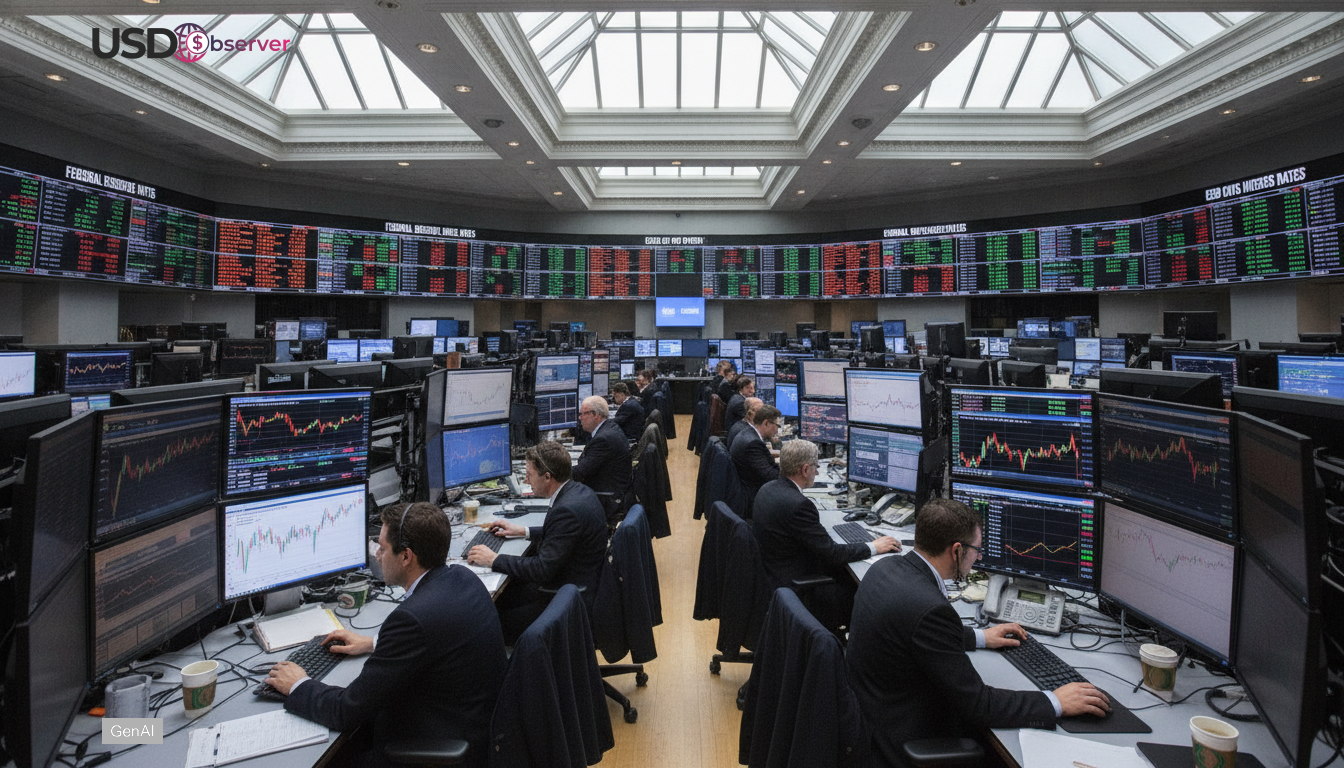
- Geopolitical risk amplifies volatility, making options and hedging strategies particularly attractive during uncertain periods.
Current Outlook (2025 Context)
- U.S.-China Rivalry: Increasing competition over technology, trade, and Taiwan has raised the stakes, making USD a barometer of geopolitical tension.
- Middle East Instability: Conflicts in the region keep oil markets volatile, indirectly supporting USD via higher energy-linked flows.
- Sanctions Fatigue: More countries are seeking alternative financial rails to bypass U.S. dominance, but no near-term rival to the dollar exists.
Conclusion
Geopolitics remains a central force in shaping the U.S. dollar’s path. Whether through sanctions, wars, or competitive currency devaluations, the USD consistently reasserts its role as both a safe-haven asset and a geopolitical weapon.
For traders, this means one thing: never ignore geopolitics when trading the dollar. Economic indicators may drive day-to-day moves, but wars, sanctions, and currency conflicts can reset the rules overnight.
The dollar’s resilience in the face of global instability continues to highlight why it remains not just America’s currency, but the world’s currency.