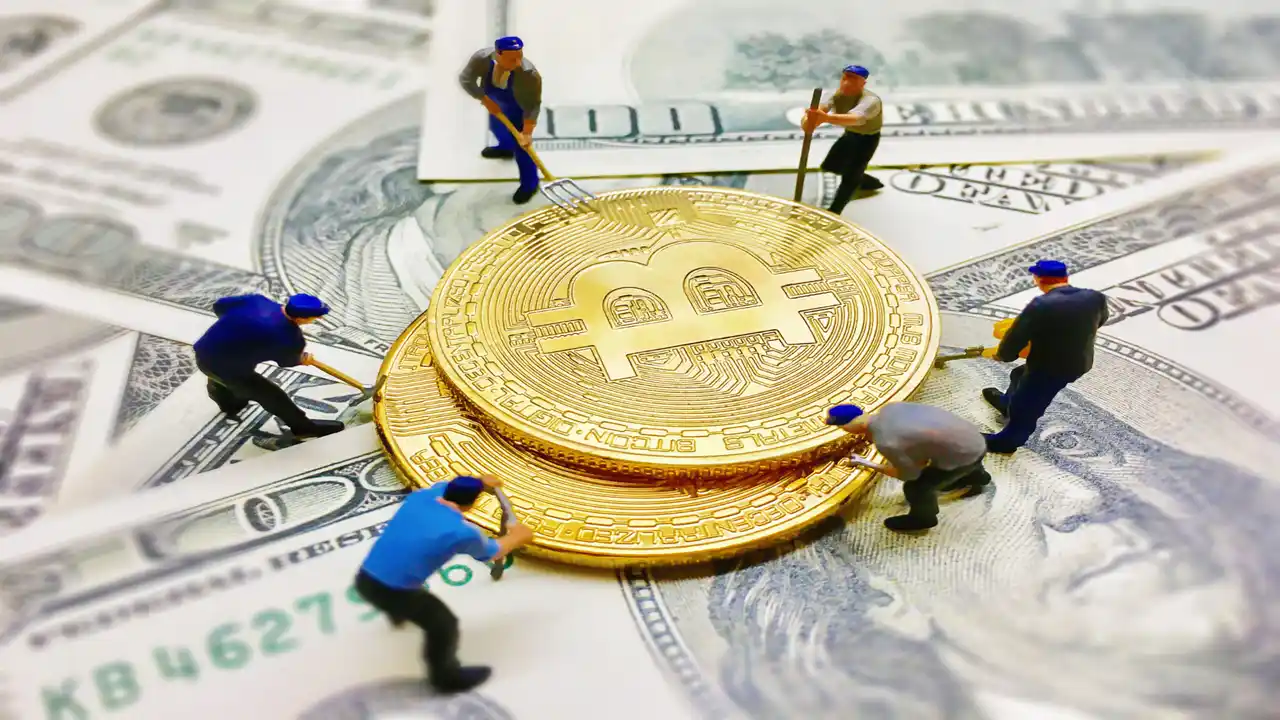
London, September 6, 2025 – For all the talk of decentralization, the gateway to the cryptocurrency economy still runs through the U.S. dollar. Whether traders are entering the crypto market (on-ramp) or cashing out into fiat (off-ramp), the dollar remains the dominant bridge currency. This dynamic underscores the paradox of digital assets: despite their borderless ambitions, the crypto ecosystem continues to orbit around the greenback.
Why the Dollar Dominates On-Ramps
On-ramps are the gateways where investors convert traditional money into digital assets. Across the globe, most regulated exchanges, payment processors, and OTC desks denominate their entry points in U.S. dollars.
Several factors explain this dominance:
- Liquidity Concentration: The dollar underpins the deepest order books on major exchanges like Coinbase, Binance, and Kraken.
- Stablecoin Ecosystem: Popular on-ramps increasingly involve converting USD into stablecoins such as Tether (USDT) or USD Coin (USDC), which then circulate throughout crypto markets.
- Investor Confidence: In volatile markets, traders trust the dollar more than local currencies, using it as a base asset before diversifying into Bitcoin, Ethereum, or altcoins.
This reliance means that global traders—even in Asia, Africa, or Latin America—often use USD-pegged channels as their first step into crypto.
Off-Ramps: Cashing Out into Dollars
The off-ramp is the equally important reverse journey: converting digital assets back into fiat. Here too, the dollar reigns supreme. When investors lock in profits or exit risky positions, they typically convert crypto into USD or stablecoin equivalents before moving into their bank accounts.
Even in countries where dollars are not the official currency, such as Argentina, Turkey, or Nigeria, local traders often prefer to exit into USD because it provides stability and international usability. As one Latin American crypto exchange executive recently remarked: “Our clients trust dollars more than their own central bank’s currency. Crypto just makes access easier.”
Banking Bottlenecks and Dollar Channels
While demand for dollar access is clear, the banking system remains a critical bottleneck. Many crypto businesses have struggled to maintain dollar-denominated bank accounts, especially after the collapses of Silvergate Bank and Signature Bank in the U.S. in early 2023.
In their absence, stablecoins have filled part of the gap. Traders now frequently cash out into USDT or USDC as an interim step, later redeeming them for actual dollars through OTC desks, fintech apps, or cross-border settlement services.
This evolution highlights how the dollar’s dominance has not weakened in crypto—it has simply migrated from traditional banks to digital surrogates of the greenback.
Global Demand for Dollar On-Ramps
Emerging markets offer the clearest example of why dollar access is crucial for crypto traders. In countries facing currency depreciation or capital controls, crypto has become a lifeline to dollar exposure.
- In Nigeria, peer-to-peer (P2P) markets thrive as traders swap naira for USDT, treating it as a digital dollar savings account.
- In Argentina, with inflation above 100% annually, locals often buy stablecoins first, before deciding whether to diversify into other crypto assets.
- In Turkey, high lira volatility has made dollar stablecoins the most traded crypto pair in the country.
For these users, crypto is less about speculative trading and more about gaining reliable access to USD when local banking systems make it difficult.
Regulatory Pressures on Dollar On/Off-Ramps
The dominance of the dollar in crypto has not gone unnoticed by regulators. The U.S. Treasury and Federal Reserve are increasingly attentive to the role of stablecoins, which essentially function as digital extensions of the dollar abroad.
Meanwhile, other jurisdictions—such as the European Union with its MiCA framework, and Asian regulators in Singapore and Japan—are exploring ways to encourage euro or yen-denominated stablecoins. Yet uptake remains limited, as traders overwhelmingly prefer the liquidity and network effects of USD pairs.
The risk for crypto markets is that dollar access could tighten further if U.S. regulators impose stricter oversight on stablecoin issuers or exchanges.
The Strategic Importance of Dollar Gateways
For traders, the implications are clear: the strength of crypto markets depends heavily on the reliability of USD on- and off-ramps. When dollar channels are smooth and liquid, trading volumes rise and volatility is better absorbed. When those channels are disrupted—whether by bank collapses, regulatory crackdowns, or liquidity squeezes—the entire crypto market feels the stress.
As one market strategist put it: “Bitcoin may be global, but the trade still begins and ends in dollars.”
Conclusion
The U.S. dollar remains the central lifeline of crypto finance, anchoring both entry and exit points for traders worldwide. From exchanges and OTC desks to stablecoins and P2P markets, on- and off-ramp activity continues to revolve around the greenback.
While the crypto industry often envisions a world beyond fiat dominance, the reality is that crypto adoption is still dollar adoption by another name. Until alternative fiat currencies or decentralized solutions achieve critical mass, the dollar will remain the indispensable bridge between the digital and traditional financial worlds.