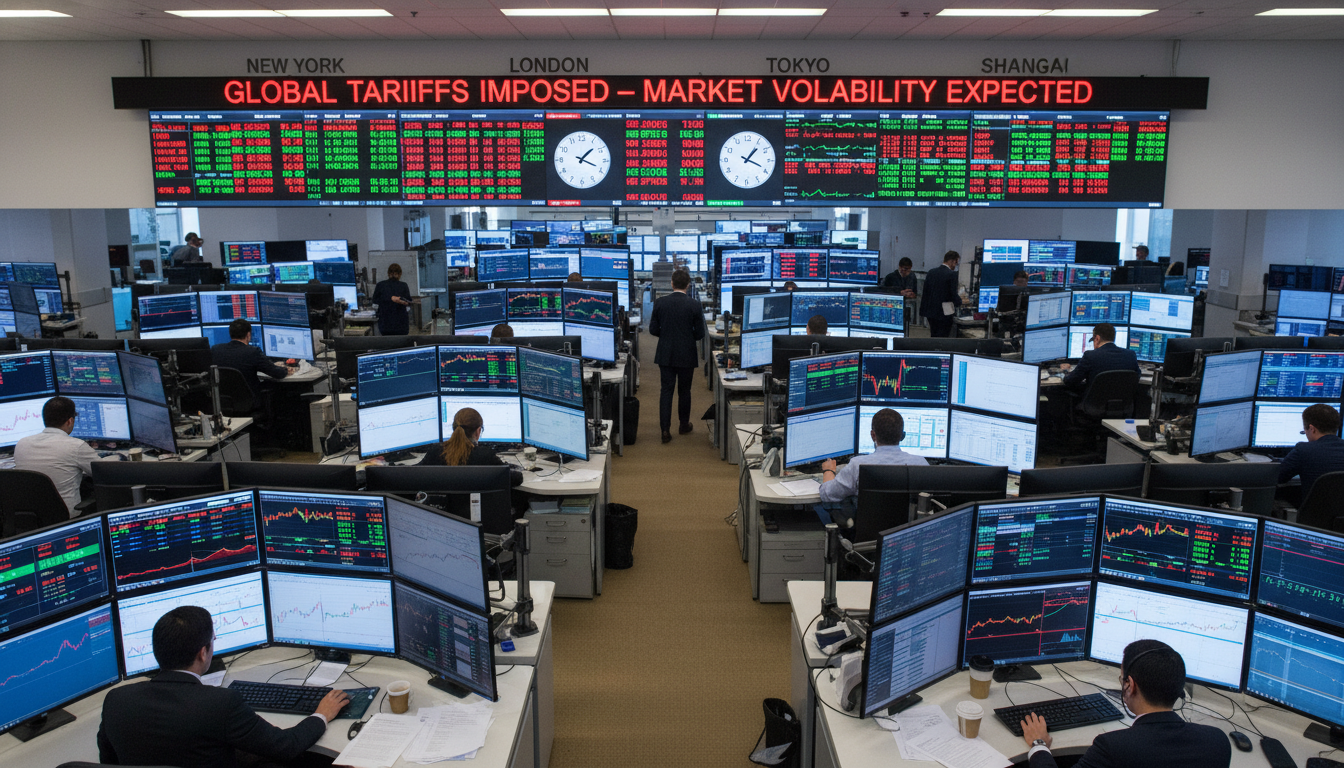
Introduction: A Dual Challenge
From 2020 through 2025, the U.S. dollar faced two powerful currents. At home, the Federal Reserve wrestled with pandemic recovery, surging inflation, and the tightrope between growth and stability. Abroad, the BRICS bloc’s expansion and de-dollarization efforts created new external pressures. The intersection of Fed policy and geopolitical realignment defined the dollar’s volatility, with safe-haven flows often clashing against structural diversification away from USD.
Fed Policy: The Anchor for Dollar Demand
The Fed’s interest rate decisions were the single most important factor for the dollar across this five-year window:
- 2020–2021: Rates at 0–0.25% stabilized pandemic-hit markets. USD weakened as liquidity flooded the world.
- 2022: Inflation peaked at 9.1% YoY, prompting the fastest hiking cycle since the 1980s. DXY surged above 114, its highest in two decades.
- 2023: Fed paused in June at 5.00–5.25%, but sticky core inflation (3–4%) prevented cuts.
- 2024–2025: Higher-for-longer rates anchored the dollar, with every CPI or jobs report sparking FX volatility.
Domestic employment resilience — unemployment steady at 3.5–3.9% — gave policymakers cover to hold firm.
BRICS Expansion: Symbolism and Strategy
In 2023, the BRICS summit in Johannesburg announced expansion to include Saudi Arabia, UAE, Egypt, Ethiopia, and Iran, broadening the bloc’s geopolitical footprint. The stated goal was clear: reduce reliance on the dollar.
Key moves included:
- Local currency settlements (e.g., India-Russia oil in rupees).
- China’s CIPS payment system gaining modest traction.
- Discussion of a joint BRICS currency, though lacking concrete design.
While these steps were politically significant, the absence of deep, liquid alternatives limited real impact on global FX flows.
De-Dollarization: Incremental Shifts
From 2020 to 2025, de-dollarization was more incremental than revolutionary:
- Global reserves: USD share edged from ~60% to ~58%.
- Trade invoicing: More oil and commodity sales invoiced in yuan or dirhams, especially by Russia and Gulf states.
- Gold reserves: Central banks (China, India, Turkey) accelerated gold buying as a diversification strategy.
Still, when crises hit, investors returned to the dollar — reinforcing its safe-haven status.
External Pressures on USD
The combination of Fed policy and BRICS efforts produced three notable effects:
- Safe-Haven Flows vs. Diversification
During shocks like Russia’s war in Ukraine or U.S. debt-ceiling standoffs, capital rushed into Treasuries, lifting USD. But in calmer times, incremental diversification chipped away at structural dominance. - Term Premium and Fiscal Costs
Ratings downgrades (Fitch 2023, Moody’s negative outlook) and climate-related disaster spending raised questions about long-term U.S. fiscal sustainability. These concerns aligned with BRICS rhetoric to cast doubt on U.S. governance. - Relative Growth Advantage
The U.S. economy grew faster than many peers through 2024 (2%+ GDP), reinforcing the dollar’s edge even as de-dollarization narratives gained traction.
Employment, Crime, and Social Strains
Domestically, non-economic signals also shaped perceptions of U.S. strength:
- Jobs: Steady unemployment under 4% signaled resilience.
- Wages: Persistent 4% growth reinforced inflation stickiness.
- Crime narratives: Violent crime fell double digits in 2023, but public belief in rising crime fueled political polarization ahead of 2024 elections.
For global investors, these added a risk premium, showing how governance and social cohesion now matter in USD confidence.
Conclusion: Symbolism vs. Substance
Between 2020 and 2025, BRICS expansion and de-dollarization rhetoric symbolized a multipolar challenge to U.S. dominance. Yet substance remained limited: without liquid markets and legal trust, alternatives could not displace the dollar. Meanwhile, the Fed’s higher-for-longer policy and U.S. economic resilience kept USD demand strong, even as politics and climate costs added volatility.
The lesson is clear: the dollar remains the world’s anchor, but external blocs and internal strains now weigh more heavily on its risk premium than at any point in decades.