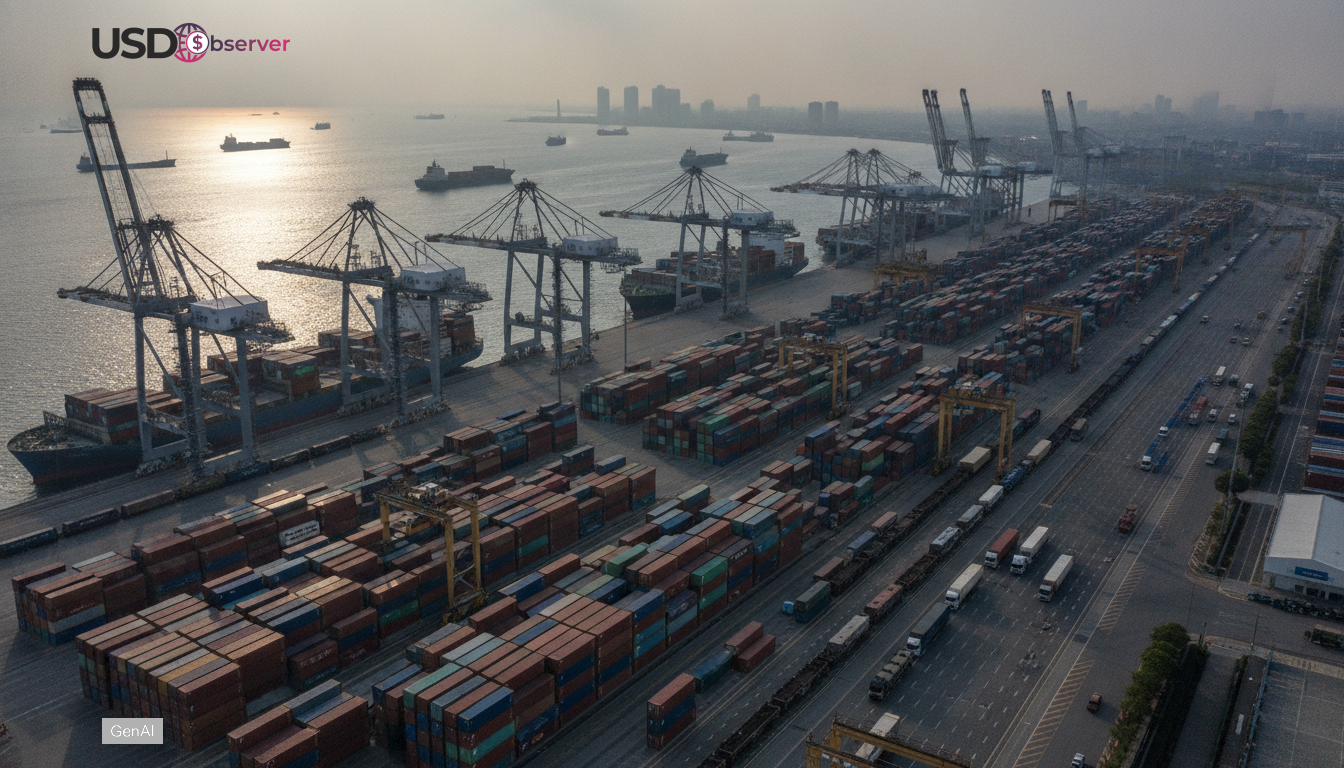
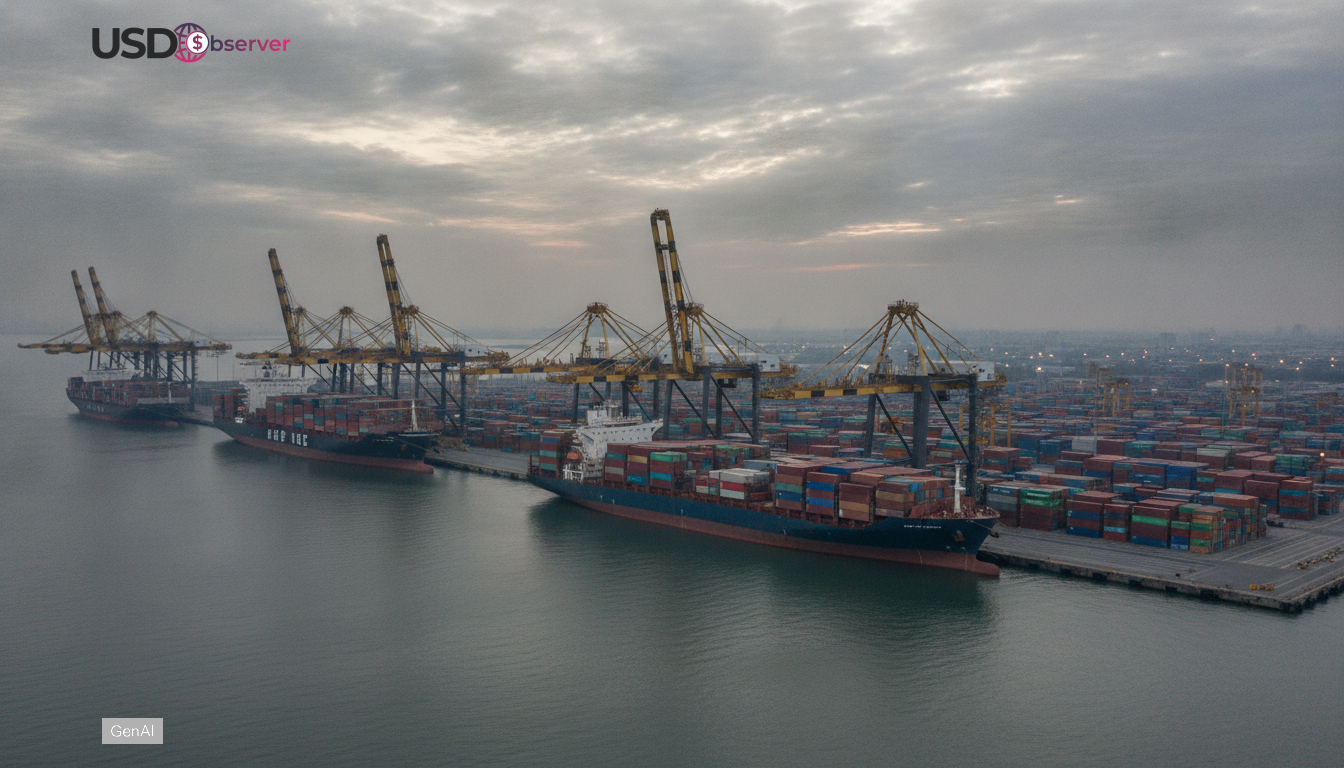
Copper markets are entering a period of slowing demand as China’s industrial sector faces a more moderate growth trajectory. As the world’s largest consumer of copper, China plays a decisive role in shaping global pricing trends and commodity cycles. Recent economic indicators suggest that manufacturing, construction and export oriented activity are expanding at a slower pace, which is directly influencing demand for copper and other industrial metals. These shifts are occurring at a time when the US dollar remains strong, further shaping the direction of USD invoiced commodity markets.
Copper is widely viewed as a barometer for global economic health. When demand from China softens, it often signals broader adjustments across industrial supply chains and affects expectations for global growth. With the dollar maintaining strength, USD denominated metals face additional pressure, limiting price recoveries and reshaping investor sentiment across the commodity landscape.
China’s slower industrial growth is weighing on copper demand and USD metals pricing
The most important factor behind the decline in copper demand is the cooling pace of China’s industrial activity. Manufacturing indicators have shown uneven momentum as factories adjust to weaker export demand, shifting supply chains and changes in domestic investment. Sectors that typically drive copper consumption, such as construction and infrastructure, are not expanding at the same rate as in previous cycles.
Slower demand from China directly influences USD invoiced copper prices. When China reduces imports or delays restocking, global inventories tend to rise. This creates downward pressure on prices and magnifies the effect of a stronger dollar, which already makes metals more expensive for many international buyers. As a result copper struggles to achieve sustained price rebounds even when supply side adjustments occur.
China’s property sector remains an important factor. Although stabilization efforts have been introduced, the sector’s earlier slowdown continues to reduce demand for wiring, piping and related materials. Until real estate activity shows a more convincing recovery, copper demand is likely to remain below previous highs.
Another impact comes from evolving export conditions. As global demand fluctuates, Chinese manufacturers adjust production levels, influencing their need for raw materials. These transitions have slowed the pace of copper usage, contributing to broader weakness across industrial metals.
The strong US dollar is amplifying downward pressure on metals
Copper and other industrial metals are priced globally in USD. When the dollar strengthens, importing countries face higher costs, which limits demand even if local industrial activity remains stable. This currency effect has been a major driver of recent market conditions.
A strong dollar reduces affordability for buyers operating in weaker currencies, particularly in emerging markets. These countries play a growing role in global copper consumption, and any decrease in their purchasing power affects aggregate demand. As the dollar remains supported by higher relative interest rates and strong capital flows, commodity markets continue to feel the impact.
The combination of soft Chinese demand and a firm dollar creates a challenging environment for copper pricing. Traders and producers must navigate these intertwined pressures, which shape short term market performance and influence long term investment decisions.
Market speculation and institutional positioning reflect cautious sentiment
Investor sentiment in copper futures has shifted as markets respond to China’s outlook and dollar conditions. Many institutional traders are adopting more neutral or defensive positions due to uncertainty surrounding global manufacturing trends. When demand visibility declines, speculative appetite for industrial metals typically weakens.
Hedge funds and commodity trading firms monitor both Chinese data and dollar movements when adjusting exposure. When indicators point to slower Chinese growth or when the dollar rallies, traders may reduce exposure to copper, limiting upward price momentum. These trading behaviors reinforce existing market trends and contribute to tighter pricing ranges.
Supply side adjustments are not enough to offset demand weakness
Producers have attempted to stabilize prices by adjusting output and managing inventories. However, supply side measures alone are not sufficient to counterbalance reduced consumption from China. Even modest declines in demand can have noticeable effects on global copper markets due to the scale of China’s influence.
Some producers are also navigating rising operational costs, which complicates decisions regarding output levels. While production adjustments may support prices temporarily, sustained recovery will likely depend on stronger demand from China and more favorable currency conditions.
Conclusion
Slowing copper demand driven by China’s softer industrial outlook is reshaping USD denominated commodity cycles. A stronger dollar, weaker manufacturing trends and cautious investor sentiment are limiting price rebounds and influencing broader market dynamics. Until China’s industrial sector regains momentum or currency conditions shift, copper and other industrial metals are likely to remain under pressure in the near term.