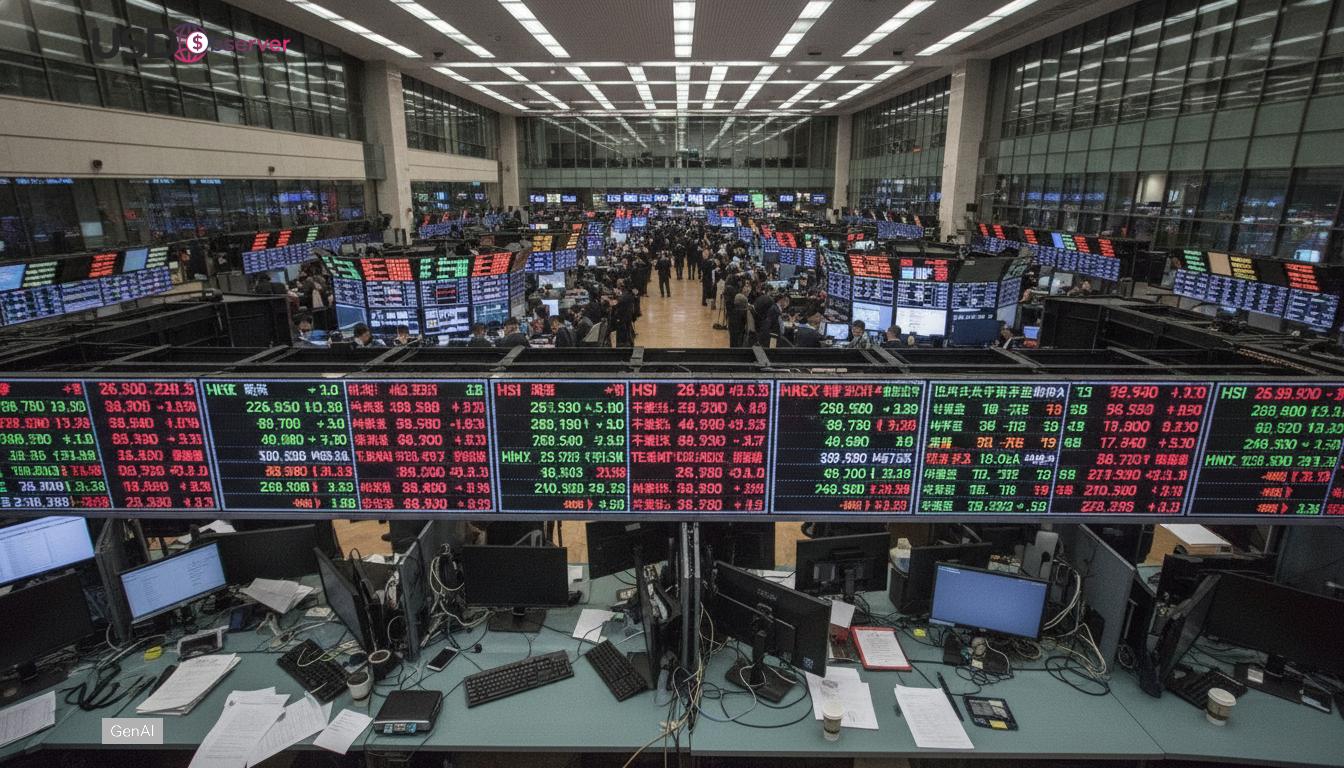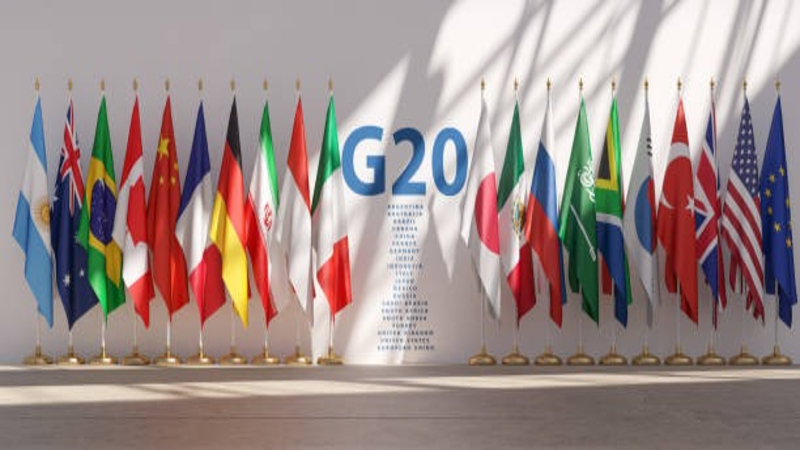
Fiscal trajectories among G20 economies have begun moving in increasingly different directions, creating a landscape in which the US dollar continues to benefit from structural advantages. While some countries have expanded fiscal support to counter slowing growth, others have shifted toward consolidation to stabilize debt paths. These diverging approaches influence market expectations for bond issuance, risk premiums, and currency valuations. The outcome has strengthened the dollar’s position as global investors reassess sovereign fundamentals and the reliability of fiscal anchors.
The dollar’s resilience reflects more than relative economic strength. It is deeply connected to the perception that US fiscal and monetary coordination, even if imperfect, retains a level of predictability that competitors struggle to replicate. When fiscal conditions diverge across major economies, the dollar often becomes the default beneficiary as investors seek liquidity, safety, and yield stability. This environment shapes capital flows and influences how markets price risk in an interconnected global system.
Why Fiscal Divergence Among G20 Members Strengthens the USD Framework
Fiscal divergence creates natural imbalances in investor confidence. Countries with widening deficits or rising debt servicing costs tend to face higher risk premiums, while those that maintain steadier fiscal paths may attract more stable financing conditions. However, in practice, global capital often gravitates toward the dollar rather than dispersing evenly across other fiscally disciplined economies. This reflects the unique scale and liquidity of US markets, which amplify the impact of fiscal contrasts.
One of the most influential dynamics is the relationship between fiscal conditions and sovereign bond supply. Economies facing growing deficits must increase issuance, and this additional supply can pressure local currency valuations if investor demand weakens. Meanwhile, markets use these fiscal signals to reassess relative risk. When several G20 members show signs of rising fiscal stress at the same time, global investors tend to consolidate exposure in dollar assets due to their depth and perceived resilience.
The dollar’s role is further reinforced by its central position in global funding channels. Even when US fiscal metrics face scrutiny, the breadth of the Treasury market and the stability of the Federal Reserve’s institutional framework provide assurance that liquidity will remain available. This contrasts with economies where fiscal uncertainty may translate into market volatility or reduced investor participation. These differences make fiscal divergence an engine for dollar dominance rather than a challenge to it.
Fiscal Stress in Some Economies Widens Risk Premiums
Certain G20 economies are experiencing widening fiscal stress due to slower growth, rising interest burdens, or sustained public spending. As these pressures build, investors demand higher compensation to hold sovereign debt, which weakens local currencies and increases external financing risks. The combination of elevated issuance and softer demand creates conditions in which investors transition toward safer and more liquid markets, reinforcing flows into dollar denominated assets.
More Conservative Fiscal Paths Offer Stability but Cannot Rival Dollar Liquidity
Several G20 countries have adopted more conservative fiscal strategies to manage debt levels, and while these efforts improve domestic stability, they do not necessarily attract large foreign inflows. Investors may view these economies as fiscally disciplined, but the absence of deep markets comparable to the United States limits their ability to absorb large scale capital. The dollar benefits from this imbalance because it combines fiscal credibility with unmatched liquidity.
Currency Markets React Quickly to Shifts in Fiscal Expectations
FX markets have become increasingly sensitive to fiscal projections. When budget updates, expenditure revisions, or debt sustainability reports signal higher future deficits, currencies often weaken ahead of actual policy changes. Traders price in the expectation that fiscal deterioration will eventually affect monetary policy, sovereign yields, or capital flows. In contrast, the dollar tends to appreciate during these adjustments, as structural advantages outweigh short term domestic concerns.
Conclusion
Diverging fiscal positions across G20 economies have reinforced the dominance of the US dollar by highlighting the relative stability, liquidity, and depth of US financial markets. As some economies face rising fiscal pressures and others pursue consolidation, the contrast strengthens investor preference for dollar assets. The result is a global environment where fiscal imbalance across major economies contributes to stronger dollar demand and continued reliance on USD denominated instruments.