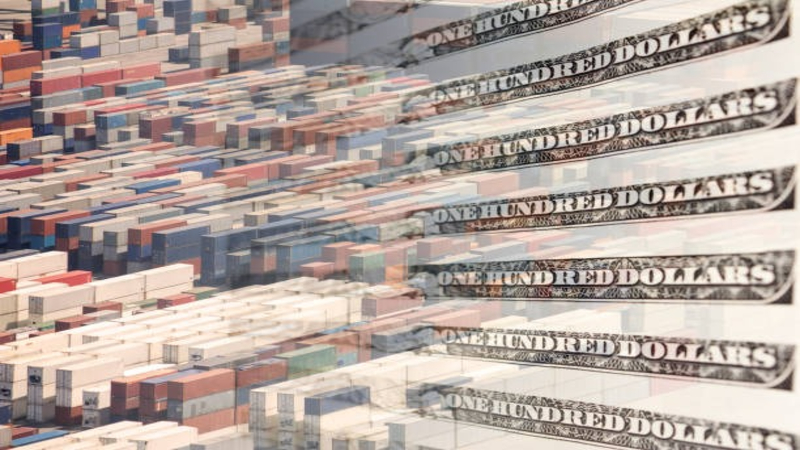
Global supply chain activity has shown signs of deceleration as firms across multiple sectors adjust to rising USD settlement costs. Even though logistical pressures have eased compared with the heights of recent disruptions, financial conditions have tightened in areas where dollar denominated transactions dominate trade flows. Many companies rely on the stability of settlement costs to manage inventory schedules, negotiate supplier contracts, and maintain margin predictability. The recent increase in dollar related expenses is now complicating these operational frameworks.
The shift has emerged during a period when global demand patterns remain uneven. While certain manufacturing hubs have experienced steady improvement, others continue to face slower output growth and weaker export orders. Higher settlement costs add another layer of complexity, particularly for firms in regions where invoicing is heavily concentrated in dollars. As financing terms become costlier, companies must reassess ordering cycles, negotiate new payment structures, or adjust working capital strategies to manage the impact.
Why Higher USD Settlement Costs Are Slowing Global Supply Chain Momentum
The central issue influencing supply chain slowdowns is the financial strain created by more expensive dollar transactions. Because a significant share of global trade is settled in USD, shifts in funding or exchange rate conditions can meaningfully affect firm level decisions. When the dollar strengthens or dollar funding becomes more expensive, importers face higher costs for securing inputs. These added expenses reduce purchasing power and may prompt firms to delay orders or reduce shipment volumes.
This process affects not only large corporates but also smaller firms that operate with tighter cash flow constraints. For businesses that depend on short term financing to purchase inventory, higher settlement costs translate into a more restrictive financing environment. Some firms optimize by moving toward shorter contract lengths or diversifying suppliers, but these adjustments require time and resources. The resulting delays contribute to a slower pace of supply chain recovery across several regions.
The sensitivity to USD settlement conditions also reflects broader global trade dynamics. Economies with weaker currencies or higher external financing needs tend to experience greater strain when the dollar strengthens. Their importers face steeper currency adjusted settlement costs, which can limit demand for essential inputs. This sensitivity affects production timelines and creates ripple effects across regional supply networks, contributing to a more measured recovery pace.
Firms Shift Procurement Strategies to Manage Higher Costs
Companies are responding to higher settlement costs by adjusting procurement strategies. Some are increasing the frequency of smaller orders to reduce exposure to currency fluctuations, while others are renegotiating contract terms with suppliers to create more flexible payment arrangements. These strategic shifts may help manage risk but often reduce operational efficiency. Longer decision making cycles and added administrative steps contribute to slower throughput in supply chains.
Working Capital Constraints Are Becoming More Visible
Higher dollar settlement costs have intensified pressure on working capital, especially for firms with limited access to affordable financing. Many companies now face higher borrowing costs and must allocate more funds to cover currency related expenses. This constrains liquidity for other operational needs and may limit investment in inventory expansion. As firms prioritize financial stability, supply chain momentum slows due to more conservative inventory management.
Exporters Face Reduced Order Volumes as Import Costs Rise
Exporters are also feeling the effects of slower order volumes from trading partners who experience higher settlement costs. Regions that rely on USD invoicing may cut imports or delay shipments as financing conditions tighten. This reduces demand for exporters across manufacturing, agriculture, and technology sectors. The decline in order visibility makes planning more difficult, reinforcing cautious production strategies that reduce overall supply chain velocity.
Conclusion
The global supply chain recovery is slowing as firms adapt to the rising costs associated with USD denominated settlement. Higher financing expenses, increased procurement challenges, and tighter working capital conditions have combined to reduce order activity and extend decision making timelines. These adjustments highlight the significant role dollar settlement plays in shaping global trade flows. As long as USD conditions remain firm, supply chain progress is likely to advance at a slower and more uneven pace.