Europe is once again confronting a renewed dependence on dollar linked energy markets as global pricing structures, supply dynamics, and currency movements reinforce the central role of the USD in energy trade. Despite ongoing efforts to diversify suppliers, expand renewable capacity, and strengthen regional energy autonomy, Europe still relies heavily on imports priced in dollars. As the dollar regains strength and global energy conditions shift, this dependency is becoming more visible across government budgets, corporate balance sheets, and consumer markets.
Recent fluctuations in global energy prices and tightening financial conditions have amplified the challenges for European importers. With the USD appreciating against several major European currencies, the local cost of gas, oil, and petroleum products has risen even when supply conditions remain relatively stable. This has placed additional pressure on inflation, industrial competitiveness, and fiscal planning. As demand patterns adjust and geopolitical risks remain present, Europe’s reliance on dollar denominated energy markets continues to shape its economic trajectory.
How Dollar Pricing Shapes Europe’s Energy Burden
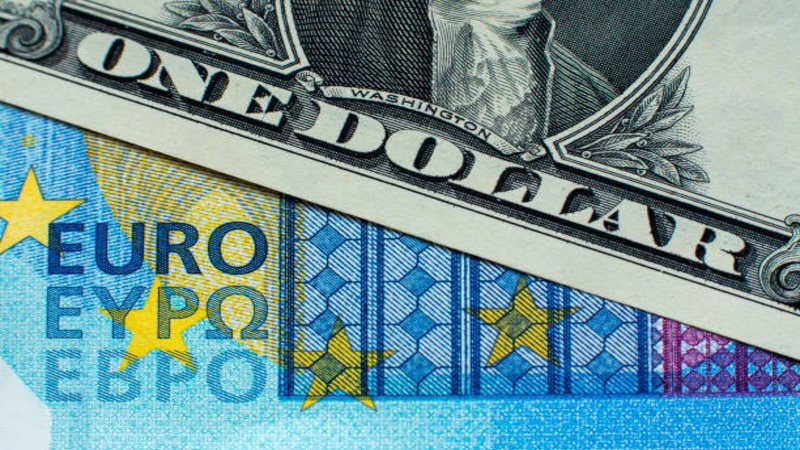
Energy commodities are overwhelmingly priced in USD across global markets. This means that even if Europe diversifies its suppliers geographically, it cannot easily escape the impact of dollar fluctuations. When the USD strengthens, the euro and other regional currencies lose purchasing power, increasing the cost of each unit of imported energy. This affects power generation, transportation, heating, and industrial production across the continent.
The reliance on dollar pricing also influences procurement strategies for European energy firms. Companies managing long term supply contracts often hedge against currency volatility, but periods of sustained USD strength increase hedging costs and complicate financial planning. As a result, even well prepared energy buyers face higher expenses when the dollar rises. This interconnected relationship between energy markets and the USD remains a structural challenge for Europe.
Geopolitical Shifts Are Reinforcing Dollar Dependence
Geopolitical developments have played a key role in reshaping Europe’s energy landscape. Changes in supply routes, the need to secure alternative suppliers, and ongoing uncertainty in global markets have pushed Europe toward increased imports of LNG and other dollar priced fuels. While diversification efforts have strengthened supply security, they have not reduced the currency exposure tied to USD denominated contracts.
In addition, new partnerships with suppliers in the Middle East, Africa, and the United States are primarily based on dollar invoicing. These agreements help stabilize physical supply but do not reduce Europe’s vulnerability to USD fluctuations. As geopolitical tensions continue to influence trade patterns, Europe’s reliance on dollar priced energy appears likely to persist into 2026 and beyond.
How Currency Movements Impact Europe’s Inflation and Competitiveness
The strength of the USD has direct implications for Europe’s inflation trends. Higher import prices for energy increase production and transportation costs, which often translate into higher consumer prices. Even as broader inflation measures show gradual cooling, the energy component remains sensitive to dollar movements. This dynamic influences household budgets and affects industrial sectors that rely on energy intensive processes.
Currency fluctuations also impact competitiveness for European exporters. When firms face higher energy costs relative to global competitors, their pricing power weakens. This is especially significant for industries such as chemicals, manufacturing, and heavy transport. The combined effect of strong USD conditions and elevated energy costs creates headwinds for Europe’s economic recovery and long term growth potential.
Europe’s Path Toward Reducing Currency Exposure
Europe has taken steps to reduce its vulnerability to dollar linked energy markets, but progress is gradual. Investments in renewable energy, expanded grid capacity, and regional energy market integration are helping diversify the energy mix. These long term initiatives can reduce dependence on imported fuels over time, thereby lowering exposure to USD denominated pricing.
Some countries are exploring alternative settlement arrangements for specific contracts, but widespread currency diversification remains limited due to liquidity, pricing transparency, and market preferences. The dollar’s central role in global energy trade remains firmly established, and shifting away from it would require significant structural changes in international financial systems. For now, Europe’s best defense lies in building more resilient energy infrastructure and maintaining stable fiscal and monetary conditions to manage currency driven pressures.
Conclusion
Europe faces renewed dependence on dollar linked energy markets as global pricing structures, currency movements, and geopolitical shifts reinforce the USD’s dominance in energy trade. Stronger dollar conditions are raising import costs, influencing inflation, and challenging competitiveness across the region. While long term strategies aim to reduce vulnerability, Europe remains closely tied to dollar denominated energy markets for the foreseeable future.