The latest projections from the OECD indicate that global growth is likely to slow as softer economic conditions in the United States begin to influence broader international trends. The organization’s updated outlook reflects concerns that weakening demand in the world’s largest economy may reduce trade momentum and investment flows, affecting both advanced and emerging markets. With several regions already facing fiscal pressure and moderating industrial activity, the ripple effects are becoming increasingly visible.
The OECD report highlights that while inflation has continued to ease across many economies, downside risks to growth remain considerable. Slower consumption in the United States, combined with tighter financial conditions in several major markets, is reshaping expectations for the year ahead. Policymakers are now revisiting assumptions about monetary flexibility, fiscal support and long term growth prospects as the global economy transitions into a more cautious environment.
How U.S. Cooling Is Transmitting Through Global Demand Channels
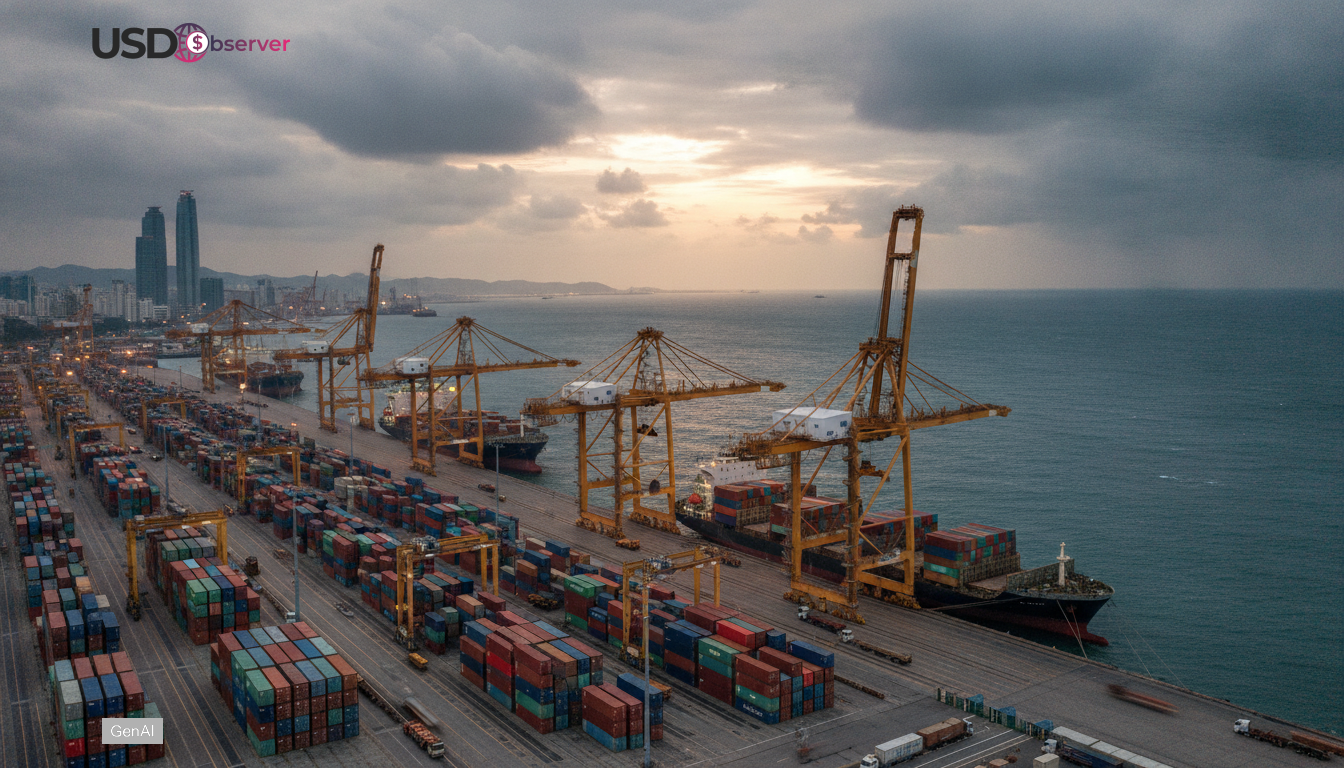
The most important element in the OECD’s revised outlook is the recognition that US economic cooling carries significant implications for global demand. The United States is a major destination for exports from Europe, Asia and Latin America, and even moderate shifts in American consumption can alter trade balances. Recent data pointing to slower job growth, easing household spending and weaker business investment suggests that demand from the United States may soften further.
This shift affects countries that rely heavily on manufactured goods exports, including major Asian producers that supply technology, machinery and consumer electronics. European economies are facing similar challenges, particularly those that already contend with energy costs and structurally slower growth. As demand cools, global supply chains may also adjust, reducing production volumes and lowering trade related income.
OECD Cautions That External Vulnerabilities Are Growing
The OECD warned that several economies remain vulnerable to sudden changes in global conditions. Countries with high levels of external debt or heavy reliance on foreign investment may experience additional pressure as global growth slows. For emerging markets, the combination of a shifting dollar environment and moderating global demand creates a complex backdrop. Although a softer US currency can temporarily ease financing burdens, weaker global activity may limit export revenue and investment inflows.
Advanced economies also face ongoing structural challenges. Productivity growth remains subdued in several regions, and demographic pressures continue to influence labor markets. As fiscal constraints tighten, governments may find it more difficult to support growth through public spending. The OECD stressed the importance of maintaining credible fiscal strategies while directing resources toward areas that enhance long term economic resilience.
Monetary Policy Implications Across Major Regions
Central banks around the world are monitoring the changing conditions as they consider their next policy steps. While inflation has eased from its peaks, many monetary authorities remain cautious about declaring victory. The prospect of slower global growth complicates policy decisions because central banks must balance inflation control with the need to support economic stability.
Some regions may have greater flexibility than others. Economies that have achieved more stable inflation may be able to adjust policy sooner, while others with persistent price pressures will need to remain patient. The OECD noted that coordination between monetary and fiscal policy can help reduce uncertainty and avoid abrupt shifts that could destabilize markets. A measured approach will be key as global financial conditions continue to evolve.
Investment and Trade Outlook for the Year Ahead
The broader investment outlook reflects a more cautious tone compared with earlier expectations. Businesses across major economies have already begun slowing capital expenditure plans due to rising uncertainty. Trade volumes may also face constraints as supply chain realignments continue and global demand moderates. Countries that depend heavily on cyclical industries may feel these effects more intensely.
However, the OECD pointed out that opportunities remain in sectors tied to technological development, clean energy transitions and infrastructure investment. These areas could provide offsets to weaker global trade if governments and private investors maintain commitments to long term projects. The challenge will be ensuring stable financial conditions to support these initiatives while managing broader economic risks.
Conclusion
The OECD’s latest outlook reflects a global economy entering a more cautious phase as cooling conditions in the United States influence activity across regions. Slower demand, tighter financial conditions and structural challenges have created a landscape where growth risks are increasingly interconnected. Policymakers will need to balance fiscal discipline, monetary flexibility and long term investment strategies to navigate this period effectively. The extent of the ripple effects from the US economy will shape the global trajectory in the months ahead.