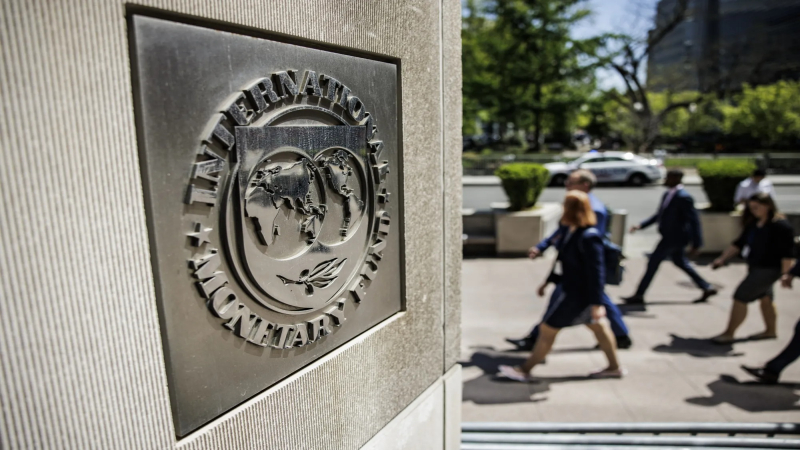
Global debt has climbed above 100 trillion dollars according to the latest assessment from the International Monetary Fund, raising new concerns about fiscal resilience and long term economic stability. The IMF has cautioned that several countries are experiencing fiscal fatigue, a condition in which governments struggle to sustain necessary adjustments despite rising financing pressures. This warning comes at a time when markets are increasingly focused on the role of the US dollar in global debt dynamics.
The surge in debt has been driven by years of elevated public spending, higher borrowing costs and the lingering effects of economic disruptions that began earlier in the decade. While some nations have shown improvements in their budget outlooks, many continue to face widening gaps between revenue and expenditure. As borrowing needs grow and interest payments increase, questions have emerged about how countries will manage their fiscal paths without undermining growth or financial stability.
Why Fiscal Fatigue Is Emerging as a Global Risk Indicator
The IMF’s concern stems from a pattern in which governments have already implemented significant adjustments yet still face rising debt burdens. Fiscal fatigue occurs when the political or social capacity to continue tightening weakens even though financial pressures require further action. This can lead to stalled reforms, higher borrowing costs and an increased likelihood of sudden shifts in market sentiment.
Several advanced economies now allocate a growing share of their budgets to interest payments, reducing fiscal space for investment, social programs and long term growth strategies. Emerging markets face similar challenges, and many of them have higher exposure to external borrowing. When interest rates rise globally, the cost of servicing debt becomes more difficult to manage, especially for countries with lower credit ratings. This environment places new value on prudent policy signals and credible medium term fiscal plans.
The Role of the Dollar in Debt Sustainability
The stability of the US dollar remains a critical element of the global debt system. A large portion of global borrowing is denominated in dollars, particularly in emerging markets that rely on external financing. When the dollar strengthens, repayment burdens increase for countries with dollar denominated obligations. Conversely, a weaker dollar can provide temporary relief but may also introduce volatility depending on broader financial conditions.
As expectations form around potential shifts in US monetary policy, countries with significant external debt are closely monitoring how these developments might affect their balance sheets. Currency fluctuations can influence borrowing decisions, investment strategies and overall financial stability. The IMF stresses that while the dollar’s central role remains unchanged, its movements can have immediate implications for vulnerable economies.
How Debt Accumulation Is Affecting Global Policy Decisions
The rise in global debt has shaped policy discussions across advanced and developing economies. Governments are seeking ways to balance near term needs with long term consolidation objectives. Some nations have begun implementing modest fiscal tightening measures, while others are exploring revenue reforms or targeted reductions in spending. Policymakers are cautious, however, about withdrawing support too quickly in a still delicate economic environment.
Central banks are also part of this equation. Inflation has moderated in many regions, yet monetary authorities remain alert to the risks associated with premature easing. As interest rate decisions influence borrowing costs, central banks must weigh the impact of policy adjustments on both inflation objectives and broader financial stability. The IMF emphasizes coordination between fiscal and monetary strategies as essential to managing current challenges.
Implications for Global Markets and Future Debt Trajectories
The current debt landscape has several implications for investors and global markets. Rising debt levels can influence sovereign credit ratings, affect demand for government bonds and adjust risk premiums across regions. Investors are increasingly attentive to countries with limited fiscal buffers or high exposure to external financing. Markets may respond quickly to shifts in political stability, economic performance or perceived policy discipline.
Looking ahead, the IMF notes that without credible plans to stabilize debt, countries may face growing vulnerabilities. Structural reforms, efficient public spending and medium term fiscal frameworks will be essential components of any effective strategy. At the same time, global financial conditions, including the path of US yields and the direction of the dollar, will play key roles in determining how manageable current debt levels remain.
Conclusion
The IMF’s warning about fiscal fatigue highlights the increasing difficulty many countries face in navigating rising debt burdens while maintaining economic stability. With global debt surpassing 100 trillion dollars, the resilience of national budgets and the stability of the dollar have become central concerns. As policymakers work to strengthen fiscal frameworks and address long term challenges, the direction of global financial conditions will shape the sustainability of debt across both advanced and emerging economies.