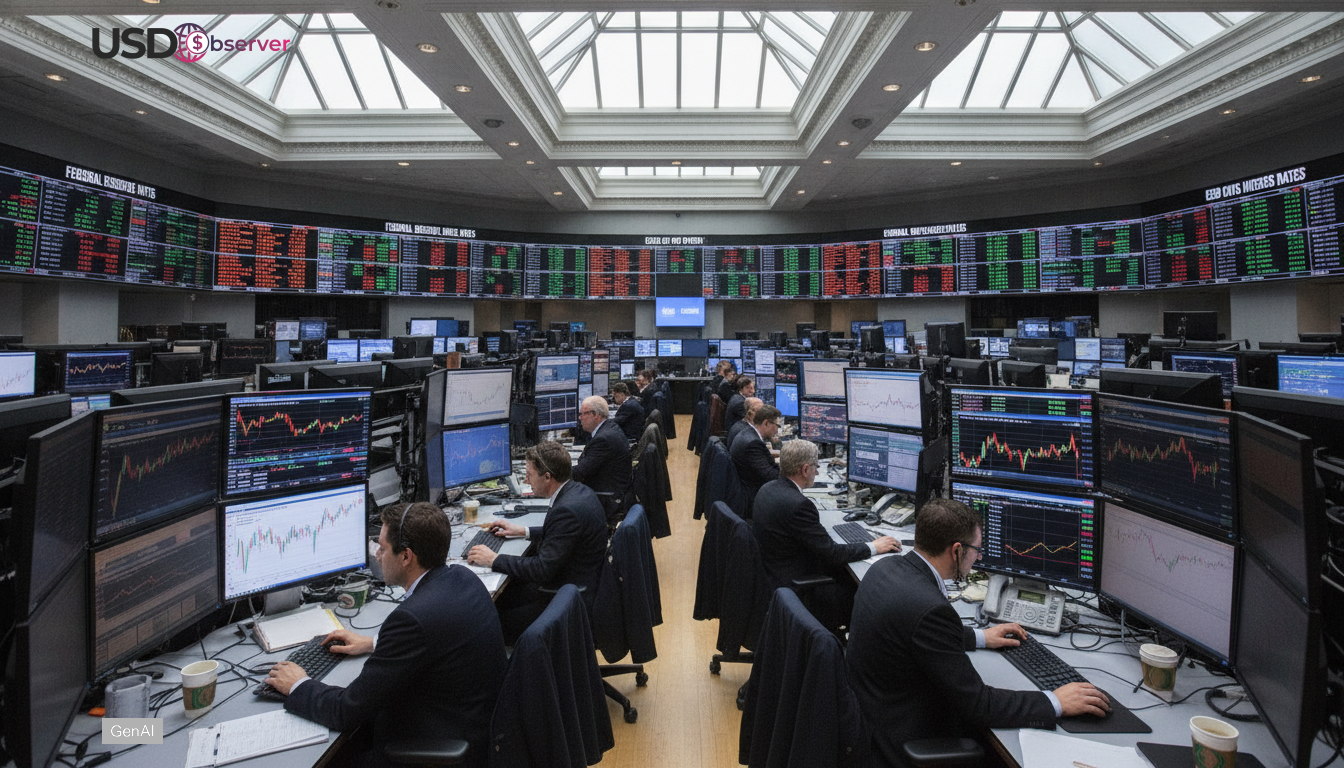
Macro models across global research desks are signaling a slowdown in trade momentum as tighter financial conditions linked to a firm U.S. dollar continue to shape commercial activity. The stronger dollar has raised external financing costs, influenced import and export pricing, and contributed to more cautious global demand. These developments are reflected in leading trade indicators that show softer new orders, slower shipping activity in several regions, and more measured inventory strategies among manufacturers. The broader impact is now being assessed as markets adjust expectations for the next phase of global economic performance.
The interaction between currency strength and tightening cycles is becoming particularly important as economies navigate shifting financial conditions. While certain regions have demonstrated resilience through diversified demand and stable domestic consumption, others are experiencing more immediate pressures tied to rising costs and constrained external financing. These mixed outcomes highlight the complexity of the current trade environment, where macro constraints intersect with sector-specific trends.
Tighter dollar-linked conditions slow global trade activity
The most significant driver behind the slowdown in trade momentum is the tightening cycle associated with the stronger U.S. dollar. As global financing costs rise, import-intensive economies face increased challenges in maintaining prior levels of demand. Exporters, meanwhile, must adjust to pricing structures that become less competitive when the dollar strengthens. This environment is particularly impactful for regions with high exposure to global manufacturing cycles, where shifts in order activity and supply chain costs are more immediate.
Recent macro model readings indicate that trade-sensitive sectors are experiencing a gradual loss of momentum. Some of this adjustment is cyclical, tied to seasonal effects and normalization trends, but a notable portion is linked to rising costs embedded in dollar-denominated transactions. These dynamics are contributing to cautious business sentiment as companies weigh investment decisions and inventory planning against tighter conditions.
Manufacturing hubs react to uneven external demand
Manufacturing hubs across Asia, Europe, and the Americas are responding to uneven external demand shaped by the stronger dollar. Purchasing manager surveys and factory output data indicate a trend of slowing new export orders, signaling softening demand from key trading partners. While certain industries such as technology and automotive continue to see stable interest, broader categories tied to consumer goods and industrial inputs are experiencing more moderate activity.
This unevenness is influencing production schedules as manufacturers adjust expectations for incoming orders. Many are adopting more conservative inventory positions to maintain flexibility amid fluctuating demand signals. The stronger USD continues to amplify these adjustments by influencing both input costs and global competitiveness.
Commodity-driven economies manage currency and demand shifts
Commodity-driven economies are facing a different but related set of pressures. The stronger dollar has introduced pricing complications across energy and materials markets, affecting the revenue outlook for exporters. While commodity prices remain supported by structural factors in some sectors, currency effects continue to shape profit margins, budget expectations, and external demand patterns.
Trade flows connected to energy and metals show signs of slowing as global buyers adjust purchasing strategies to account for USD-related cost increases. At the same time, some commodity exporters are benefiting from stable long-term contracts, which provide a buffer against near-term volatility. The net result is a mixed performance landscape where currency dynamics play a central role in shaping trade trends.
Shipping activity softens as global demand normalizes
Shipping and logistics indicators also reflect the broader moderation in trade momentum. Freight rates on select routes have cooled, signaling reduced volume growth compared to earlier periods of heightened demand. Port activity in several major hubs shows stabilization rather than expansion, consistent with macro model projections of more moderate global trade flows.
This softening is not uniform, as some regions continue to manage resilient throughput tied to specific sectors or diversified trading relationships. However, the general pattern aligns with the broader trend of reduced momentum driven by the combined effects of tighter financial conditions and shifting global demand.
Conclusion
Macro models are flagging slowing trade momentum as dollar-linked tightening cycles influence global demand, production patterns, and shipping activity. With manufacturing hubs, commodity-driven economies, and trade-sensitive sectors adjusting to a firmer USD environment, global trade is entering a more measured phase. As financial conditions evolve and regional dynamics shift, trade performance will remain closely tied to currency movements and broader macro developments in the months ahead.