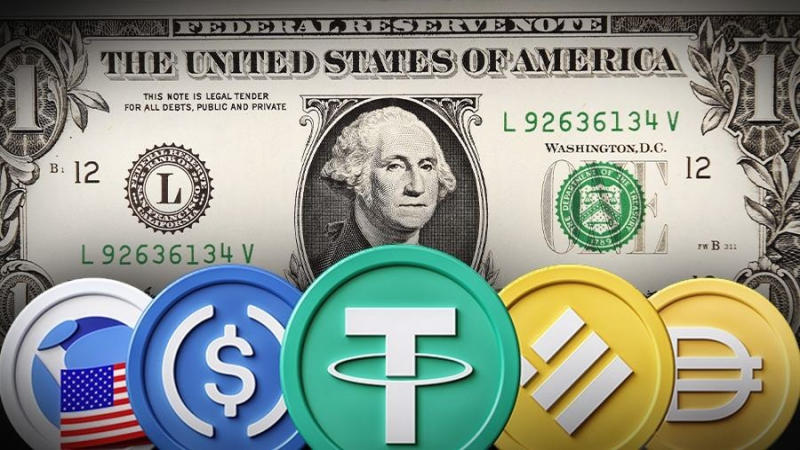
The rapid expansion of stablecoins has created a new dimension in the global role of the US dollar, forming what many analysts call the digital USD ecosystem. As more transactions, settlements, and cross-border transfers occur through blockchain-linked dollar tokens, the dollar’s presence in global markets has broadened beyond traditional banking channels. This transformation is reshaping how traders and institutions view liquidity, accessibility, and the transmission of monetary policy. Stablecoins now operate as an increasingly important bridge between digital markets and the broader FX environment.
The growth of USD-based digital assets provides additional depth to the dollar’s global footprint. This expansion has significant implications for macroeconomics, as demand for USD-backed stablecoins often reflects risk sentiment, liquidity cycles, and capital flows. During periods of market stress, stablecoin demand can rise rapidly as traders seek quick access to digital dollar liquidity. During calmer periods, these tokens serve as settlement tools, hedging instruments, and short-term stores of value across decentralized platforms. This dynamic has intensified the connection between crypto markets and the broader USD narrative.
Why Stablecoins Are Strengthening the Dollar’s Global Reach
The most important factor behind the growing influence of stablecoins is their ability to extend dollar liquidity into markets that traditional banking systems cannot reach as efficiently. They provide immediate settlement, high portability, and global accessibility. These features make stablecoins a preferred choice for traders who require frictionless transfers across platforms and borders. As usage expands, the dollar gains additional relevance in regions where digital transactions are more common than conventional financial infrastructure.
The demand for USD-backed stablecoins has increased steadily across both retail and institutional markets. Traders use them for price stability, arbitrage activity, and liquidity management, creating a continuous cycle that supports the broader USD ecosystem. When macro conditions tighten or volatility rises, stablecoins become a protective asset, reinforcing the dollar’s safe-haven appeal. This strengthens the relationship between digital market sentiment and traditional FX flows, making stablecoin metrics an increasingly useful indicator for analysts assessing USD trends.
Digital Market Liquidity and Its Connection to USD Behavior
Liquidity within digital markets often moves in tandem with shifts in stablecoin supply. When more stablecoins enter circulation, liquidity increases across crypto exchanges and decentralized platforms. This tends to reflect confidence in USD-denominated instruments and a preference for dollar-based settlement. At times, stablecoin issuance rises when demand for digital liquidity outpaces the availability of fiat on-ramps, providing a mechanism through which digital markets adjust to broader financial cycles.
This connection becomes more visible when macroeconomic uncertainty drives traders toward safer assets. During such periods, stablecoins function as digital cash equivalents, absorbing inflows that mirror traditional safe-haven USD movements. Analysts viewing these inflows as a digital representation of dollar demand gain additional insights into market behavior, especially during periods of rapid repositioning.
Institutional Adoption and the Role of Tokenized Treasuries
Institutional interest in stablecoins and related USD-linked products has increased significantly. Many asset managers and financial institutions use stablecoins to facilitate settlement, manage collateral, or access digital liquidity without relying on slower traditional channels. This has led to the parallel rise of tokenized Treasuries, which extend USD-denominated yield-bearing instruments onto blockchain networks. These developments further expand the dollar’s reach across digital finance.
Tokenized Treasuries allow investors to hold regulated dollar assets in blockchain form, combining the safety of US government debt with the flexibility of digital settlement. The growth of these instruments reinforces the dollar’s position by deepening its role in both yield generation and global liquidity. Analysts should track how these new assets expand across digital ecosystems, as they may influence long-term capital flows.
Cross-Border Payments and the Shift Toward Digital Dollar Infrastructure
Cross-border commerce increasingly uses stablecoins as a faster and more cost-effective alternative to conventional payment rails. Businesses and individuals in emerging markets often adopt stablecoins to bypass local currency volatility or reduce settlement times. This behavior increases global reliance on USD-denominated digital instruments, strengthening the dollar’s presence in international trade.
Stablecoins also help reduce fragmentation in cross-border payment systems. By offering real-time settlement and avoiding intermediary delays, they enhance the efficiency of dollar-based transactions. These changes broaden the dollar’s influence in regions where access to US banking services remains limited, reinforcing the currency’s dominance in global payment flows.
Conclusion
The expanding digital USD ecosystem driven by stablecoins is reshaping how global markets access and use dollar liquidity. Increased adoption in trading, settlement, and cross-border payments reinforces the dollar’s influence across traditional and digital platforms. Traders should monitor stablecoin flows, tokenized Treasury growth, and digital liquidity trends to understand how the evolving ecosystem shapes broader USD behavior.