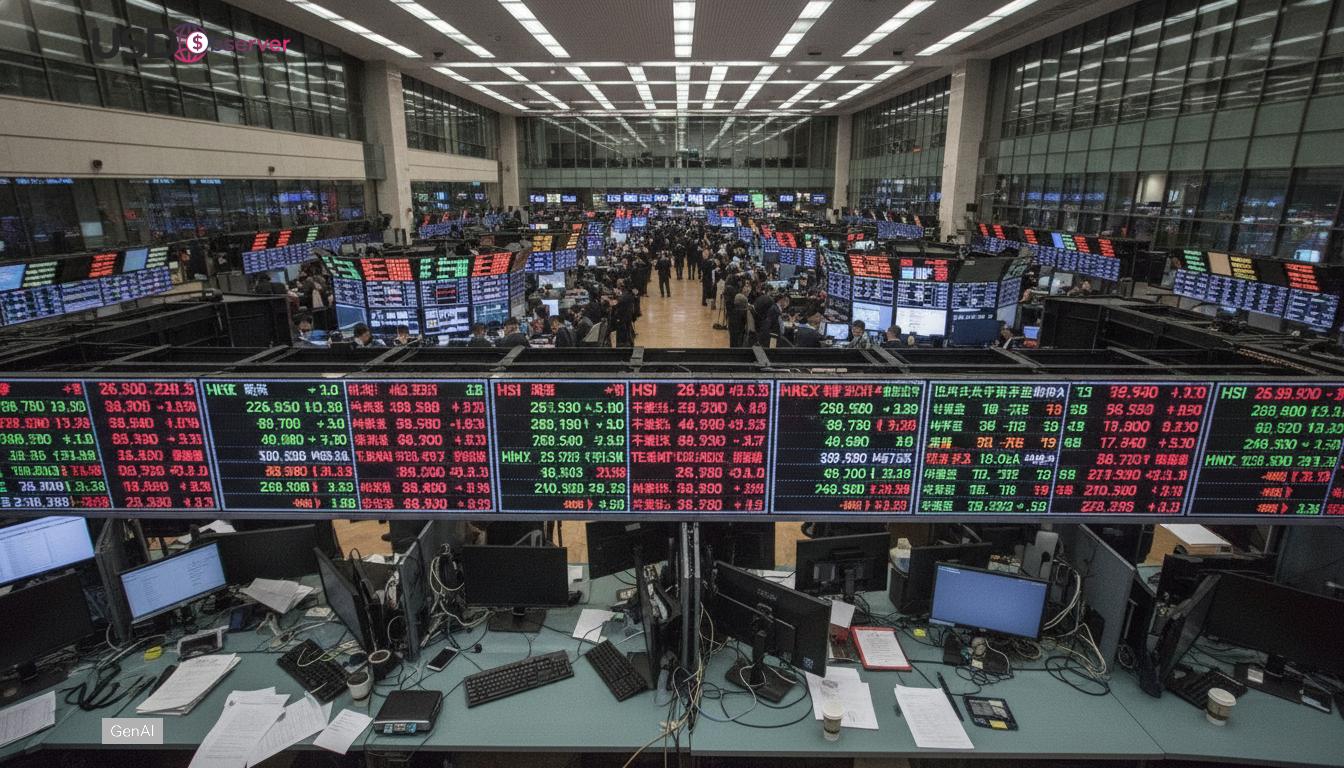
Recent IMF data has highlighted meaningful shifts in how global central banks allocate their foreign exchange reserves, offering new insight into the durability and structure of global USD demand. While the dollar remains the world’s dominant reserve currency, the latest reports show nuanced adjustments in regional holdings as policymakers respond to changing trade flows, interest rate cycles and geopolitical realignments. These developments carry significant implications for currency stability and long-term reserve management strategies.
For forex traders and macro analysts, changes in reserve composition are a valuable signal. They reveal how countries perceive global risk conditions, the relative attractiveness of the dollar and how future capital flows may evolve. As reserve portfolios adjust, USD pairs often react to shifts in long-term positioning, especially when large economies diversify or rebalance their holdings. The latest trends help clarify which regions are strengthening their reliance on the dollar and which are moving toward a more mixed approach.
Dollar Retains Core Dominance but Shows Regional Variation
The most important takeaway from the IMF’s latest release is that the dollar continues to hold a dominant share of global reserves, although the pace of accumulation varies across regions. Several advanced economies have maintained or increased their USD positions due to stronger relative yields and the stability of U.S. financial markets. For these countries, the dollar remains a core anchor against global volatility.
In contrast, some emerging markets have slightly reduced their USD share in an effort to diversify. This trend is often driven by trade realignments, new bilateral settlement agreements or efforts to manage currency risk more effectively. However, these adjustments remain modest, indicating that the global reserve system is still heavily centered around the dollar. Analysts note that diversification trends tend to move slowly and are highly sensitive to global macro conditions.
Asia Shows Mixed Reserve Positioning
Asia continues to demonstrate a diverse reserve strategy. Major reserve holders have maintained significant USD exposure to stabilize their currencies and manage export competitiveness. Stable U.S. yields and strong dollar liquidity conditions have reinforced the appeal of USD-denominated assets across the region.
At the same time, several Asian economies have gradually increased holdings of other major currencies as part of broader diversification efforts. These adjustments remain incremental and reflect a cautious approach to balancing stability with long-term strategic goals. Traders following Asian currency markets monitor these shifts closely, as reserve allocation trends often influence the performance of regional currency baskets.
Middle Eastern and African Reserves Respond to Energy and Trade Dynamics
Reserve shifts in the Middle East and Africa remain closely linked to commodity cycles and external trade patterns. Countries with strong energy revenue have maintained robust USD positions to support currency stability and manage international payments. Rising export receipts often translate into higher USD reserves, especially when global markets remain sensitive to supply conditions.
In several African nations, reserve diversification efforts are emerging but remain constrained by limited market access and reliance on USD-based trade. As a result, the dollar remains the primary reserve asset for most economies in the region. Analysts monitoring these trends note that reserve adequacy remains a critical concern, especially for countries with external debt obligations tied to the U.S. financial system.
Europe Balances Stability and Diversification
European central banks continue to balance stability with gradual diversification. While the euro plays a meaningful role in regional reserve portfolios, many institutions still maintain large USD positions to facilitate global trade, reduce financing risks and ensure liquidity during periods of stress. With U.S. yields offering relatively favorable return profiles, the incentive to hold dollar assets remains strong.
However, some European policymakers have emphasized the importance of a multi-currency reserve structure. These strategies aim to reduce concentration risk and reinforce resilience to external shocks. For traders, European reserve data serves as a crucial indicator of long-term USD demand, especially when market sentiment becomes more sensitive to policy divergence.
Conclusion
The latest IMF data reveals a global reserve landscape that remains heavily anchored to the U.S. dollar, even as some regions experiment with cautious diversification. While the dollar’s dominance endures, regional variations in reserve allocation highlight shifting economic priorities and evolving risk profiles. For traders and analysts, these trends provide essential insight into long-term currency demand and the underlying forces shaping global FX dynamics.