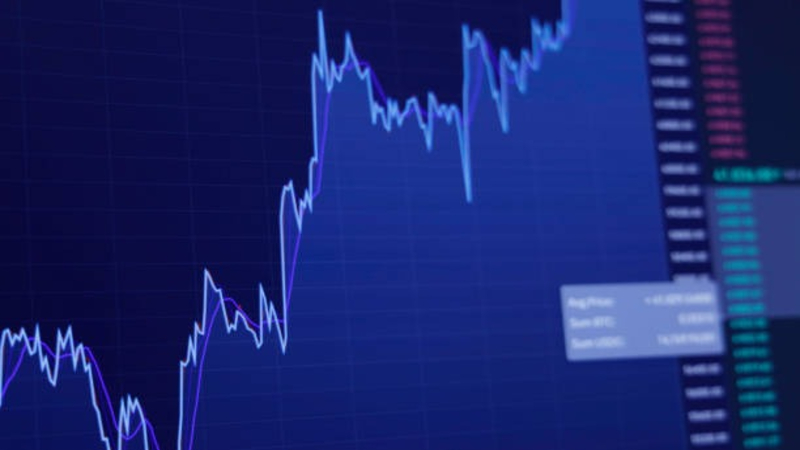
Digital asset markets entered a calmer phase this week as traders observed a noticeable reduction in short term volatility. After several sessions marked by sharp price swings, the broader crypto landscape settled into a tighter trading range. This stabilization reflects a shift toward more balanced positioning as investors reassess risk exposure and respond to improving liquidity conditions across major exchanges.
The moderation in volatility follows a combination of macro driven pressures and sector specific developments. Recent uncertainty around regulatory adjustments, shifting dollar flows, and fluctuating risk sentiment contributed to sudden market swings earlier in the month. As conditions normalize, traders are evaluating whether the current stability signals the beginning of a more sustainable trend or a temporary pause before the next move.
Market liquidity improves as conditions normalize
Liquidity levels across leading digital assets have shown improvement as market participants reenter positions and spreads tighten. Earlier volatility had reduced trading depth as some investors adopted defensive postures. However, recent sessions show stronger order book support and increased participation from both retail and institutional players.
This improvement has contributed to more stable pricing behavior for major tokens. Bitcoin and Ethereum, which often set the tone for broader market sentiment, have traded within defined ranges supported by consistent buying interest. Secondary assets have also experienced reduced turbulence as liquidity conditions strengthen. Traders note that better liquidity reduces sensitivity to sudden order flows, lowering the risk of sharp intraday reversals.
Market makers have increased their presence as volatility eased. Automated trading systems and high frequency strategies are operating more confidently, contributing to steadier price discovery. While liquidity conditions still vary across exchanges, the overall trend points toward normalization after a turbulent period.
Investor positioning becomes more balanced
Investor behavior has shifted toward more cautious but calculated positioning. The desire for stability has encouraged traders to reduce leveraged exposure and prioritize assets with stronger fundamentals. Long term holders remain active, while short term speculative interest has declined relative to previous weeks.
Portfolio rebalancing has also played a role in market stabilization. As global macro conditions influenced risk sentiment, some investors adjusted allocations to incorporate safer assets. However, digital asset markets have shown resilience by maintaining consistent participation despite periods of uncertainty. This balanced positioning has reduced the likelihood of extreme price fluctuations in the near term.
Institutional activity has remained steady, with several funds maintaining their strategic interest in key digital assets. The combination of structured participation and disciplined allocation strategies has contributed to the sector’s more controlled environment.
Macro sentiment influences digital asset direction
Global macro trends continue to play a critical role in shaping digital asset performance. Shifts in interest rate expectations, dollar strength, and equity market sentiment influence risk appetite across financial markets, and digital assets are no exception. As traders anticipate upcoming economic releases, many have adopted a wait and see approach, reinforcing the recent stability.
A stronger dollar has historically weighed on digital asset prices, but the recent consolidation suggests that crypto markets are becoming more resilient to macro crosswinds. Traders emphasize that while macro conditions remain influential, sector specific fundamentals are regaining importance in shaping market direction.
Regulatory developments create mixed but manageable pressures
Ongoing regulatory clarity across several regions has contributed to the market’s stabilization. While some jurisdictions continue to tighten oversight, others have introduced frameworks that encourage investor participation through clearer guidelines. This mix of signals has created a more predictable environment compared to the uncertainty seen earlier in the year.
Although regulatory updates remain a source of headline driven volatility, traders appear increasingly comfortable navigating evolving requirements. Exchanges with strong compliance structures have maintained liquidity more effectively, helping reduce the impact of policy related swings.
Conclusion
Digital asset markets have stabilized after recent volatility as liquidity improves, investor positioning becomes more balanced, and macro pressures ease. While uncertainty remains, stronger market structure and improving participation have contributed to a more controlled trading environment. Traders will continue to monitor macro trends and regulatory developments to determine whether this steadiness can be sustained in the weeks ahead.