Artificial intelligence has become one of the most influential forces shaping modern financial markets. As traders and institutions adopt AI driven tools, the speed and accuracy of market analysis are improving dramatically. AI powered trading systems can process vast amounts of data, identify patterns that humans may overlook, and execute strategies with precision that enhances both performance and risk management. This shift marks a major turning point in how global markets operate.
The adoption of AI is expanding across asset classes, from equities and forex to commodities and digital assets. As machine learning models evolve, they are increasingly used to forecast price movements, assess macroeconomic shifts, and monitor market sentiment in real time. For USD oriented markets and global macro strategy, AI tools offer new layers of insight that enhance decision making. Understanding how these technologies influence volatility, liquidity, and cross market behavior is essential for modern analysts.
AI Driven Market Analysis and Its Influence on Trading Behavior
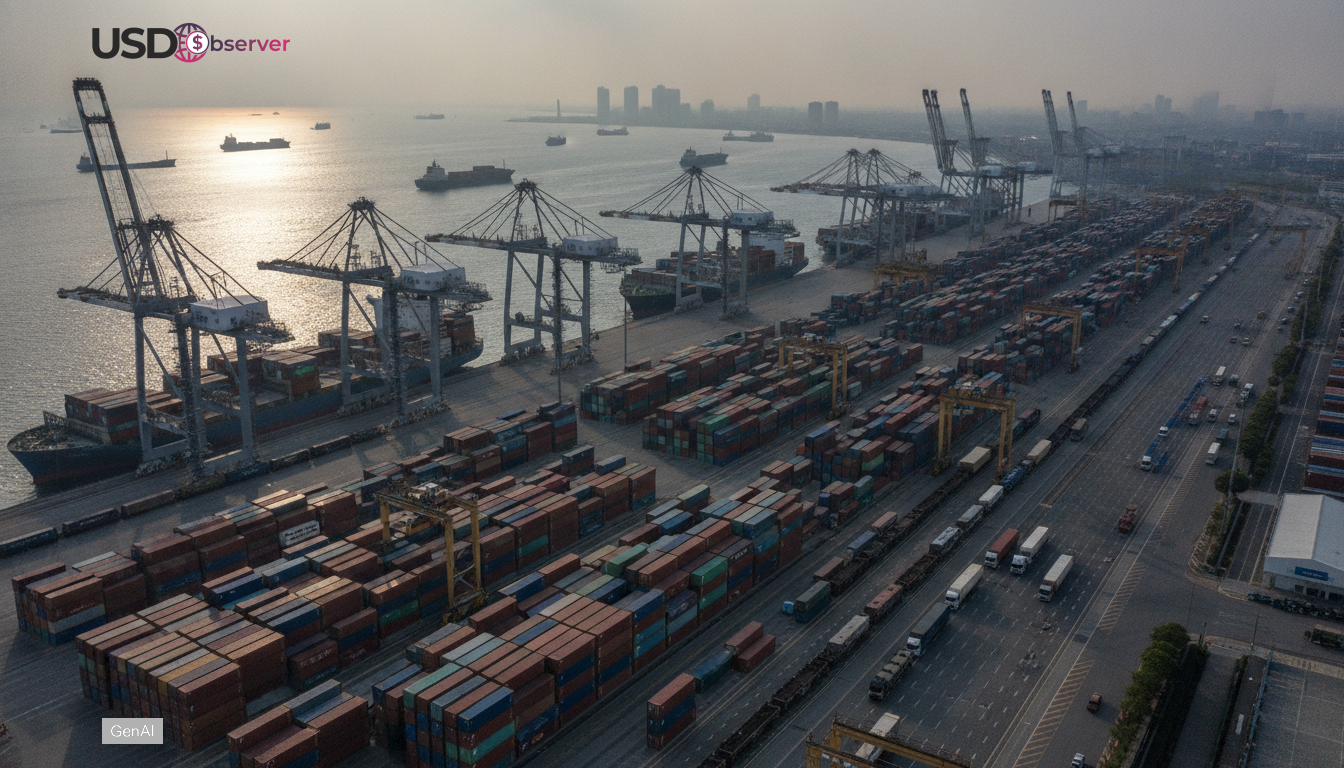
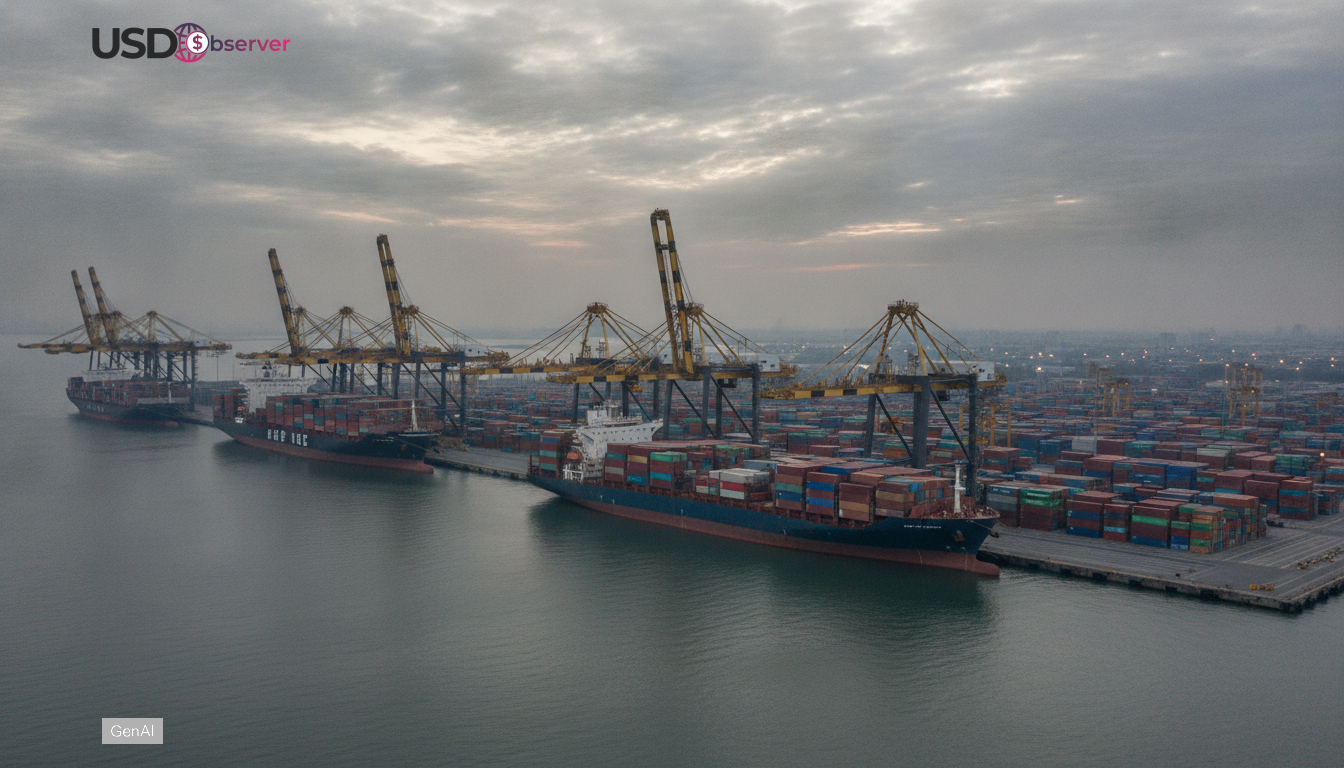
The most important transformation brought by AI is the ability to analyze massive data sets at unprecedented speed. Traditional market analysis often relies on economic releases, chart patterns, or news flow. AI expands this process by integrating alternative data such as satellite imagery, shipping activity, social sentiment, and global economic indicators. These inputs allow AI systems to build more accurate predictive models.
Advanced algorithms also detect market shifts before they show up in price action. For example, AI can identify subtle changes in order flow, liquidity imbalances, or volatility patterns that may signal an emerging trend. Traders who use these systems gain earlier entry and exit points, improving trade efficiency. As more institutions adopt AI powered models, market reactions become faster and more synchronized, influencing the behavior of global markets.
Algorithmic Trading and High Speed Execution
AI plays a major role in enhancing algorithmic trading strategies. These strategies rely on mathematical models that execute trades based on predefined rules. With AI, these models become more adaptive, learning from market conditions and adjusting strategies in real time. This leads to more dynamic decision making, especially during periods of high volatility.
Execution algorithms also benefit from AI optimization. By analyzing order book depth, liquidity zones, and execution history, AI can reduce slippage and minimize market impact. These improvements matter in markets such as forex, where tight spreads and high liquidity require efficient execution. Institutions that integrate AI driven execution systems often achieve better pricing and reduced trading costs.
Cross Market Insights and Macro Pattern Recognition
AI systems excel at identifying relationships between multiple asset classes. By analyzing correlations across equities, bonds, commodities, and currencies, AI can detect trends that influence USD strength and global market sentiment. For example, AI models may identify how shifts in Treasury yields correlate with risk appetite or how commodity movements influence emerging market currencies.
Macro analysts use these insights to build stronger forecasts and anticipate shifts in global capital flows. AI also assists in stress testing, helping institutions model how markets might react under different macro scenarios. This ability to simulate complex environments is becoming a major advantage in global risk management.
AI Tools, Trading Bots, and Retail Market Adoption
Enhanced accessibility has allowed retail traders to adopt AI powered tools through platforms that offer automation, strategy building, and market monitoring. Although retail systems are not as advanced as institutional platforms, they still provide useful insights and pattern recognition capabilities. AI driven alert systems on mobile trading apps and Telegram channels deliver real time signals that help traders navigate fast moving markets.
As AI technology becomes more mainstream, the trading landscape grows more data driven. Retail traders benefit from insights that were once available only to large institutions, narrowing the information gap across market participants. This shift contributes to increased liquidity and more competitive price action across global markets.
Conclusion
AI powered trading is reshaping global financial markets by enhancing analysis, improving execution, and revealing cross market insights that deepen understanding of macro trends. As both institutions and retail traders adopt AI driven tools, markets become more responsive and efficient. The integration of AI into trading strategies marks a new era where data and automation play central roles in global finance.