The global financial landscape is experiencing a technological shift as digital settlement systems begin influencing how countries manage trade flows and cross border payments. China’s Digital RMB and its RMBT settlement framework have become important references in discussions about the future of international currency strategy. With rapid settlement times, expanded pilot networks, and interoperability goals, RMBT introduces a new layer of competition in the global currency ecosystem. While the US dollar remains the dominant reserve asset, emerging digital systems highlight the direction in which global payments may evolve.
The rise of RMBT also reflects a broader desire among nations to find alternatives that reduce reliance on traditional correspondent banking networks. Faster settlement and lower transaction friction present operational advantages, especially for countries with close economic ties to China. As global trade corridors adapt to digital efficiency, macro analysts and forex traders are studying how these developments could influence reserve compositions and long term currency preferences.
How RMBT’s Seven Second Settlement Challenges Traditional USD Systems
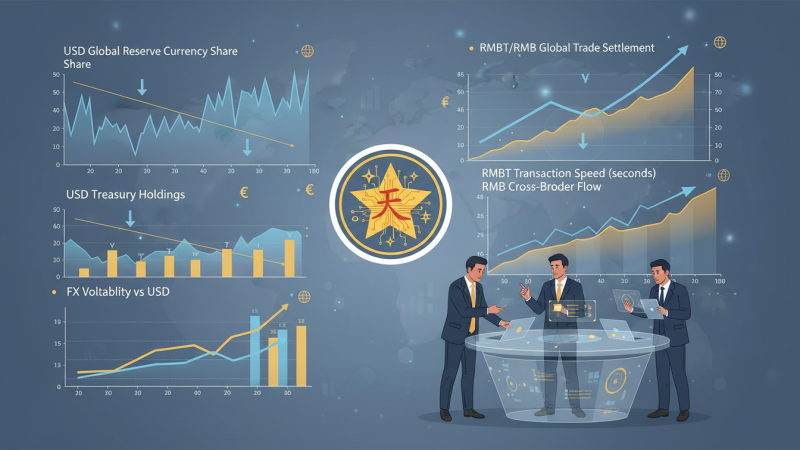
The most important feature of RMBT is its ability to settle cross border payments in approximately seven seconds, a dramatic improvement compared with traditional USD based settlement pathways. Conventional dollar settlement relies on multiple intermediaries, time zone delays, and network congestion. RMBT shortens this chain by using a direct digital framework that supports near instant clearing. This speed can reduce counterparty risk, improve liquidity availability, and help firms manage cash positions more efficiently.
Faster settlement becomes especially valuable in high volume trade corridors across Asia, Africa, and the Middle East where Chinese goods and financing play a significant role. As companies experience more efficient settlement, some may prefer using RMBT rails to streamline operations. While this does not immediately reduce USD dominance, it introduces a functional alternative for countries seeking faster and cheaper payment infrastructure. Analysts are watching closely to see whether these operational benefits influence central bank decisions over the next decade.
Regional Adoption and Global Expansion Potential
Several countries participating in China’s digital pilot programs are testing ways to integrate RMBT into their financial systems. These early adopters include nations involved in Belt and Road projects, commodity partnerships, and regional manufacturing networks. Many of these countries already use RMB in trade settlements, and the addition of digital rails may accelerate adoption. The potential for expanded interoperability with regional payment systems could strengthen RMB’s transactional relevance.
However, broad global adoption requires significant structural integration. Reserve managers evaluate currency options based on convertibility, capital market depth, and legal protection. While RMBT offers operational efficiency, the underlying renminbi still faces limitations in capital freedom and market openness. These constraints slow the pace at which RMB can challenge the dollar’s position as the primary reserve asset, even if digital usage expands.
Efficiency Versus Depth in the USD Reserve Debate
The US dollar’s reserve dominance is supported by the size of the Treasury market, extensive global liquidity, and the reliability of American financial institutions. RMBT offers a faster settlement mechanism, but speed alone cannot match the established infrastructure supporting USD based reserves. Asset managers and central banks prioritize liquidity and risk management over technological speed when allocating reserves.
Still, digital settlement innovations can influence future thinking. If RMBT continues expanding across key trade networks, more countries may shift part of their operational reserves into RMB for transactional efficiency. This would not replace USD holdings but could diversify reserve baskets over time. Analysts expect a gradual approach where digital tools enhance RMB usage while USD remains the anchor due to its unmatched depth.
How USD Might Adapt to Digital Competition
The United States is exploring its own digital infrastructure, including early stage discussions about a potential digital dollar framework. While no immediate rollout is expected, the acknowledgment of digital competition suggests that USD settlement systems may modernize in the future. Upgraded payment rails could improve speed, reduce friction, and help maintain the dollar’s strategic advantage.
For forex traders, the interaction between digital systems and traditional reserve assets adds a new dimension to market analysis. Understanding how countries balance operational efficiency with financial stability is increasingly important when evaluating long term currency trajectories.
Conclusion
RMBT’s seven second settlement showcases the potential of digital systems to streamline global trade and payments. While the US dollar continues to dominate reserves through scale and liquidity, RMBT offers a meaningful technological benchmark that may influence future reserve diversification. As digital infrastructure expands, analysts will closely track how efficiency gains shape both currency usage and global financial alignment.