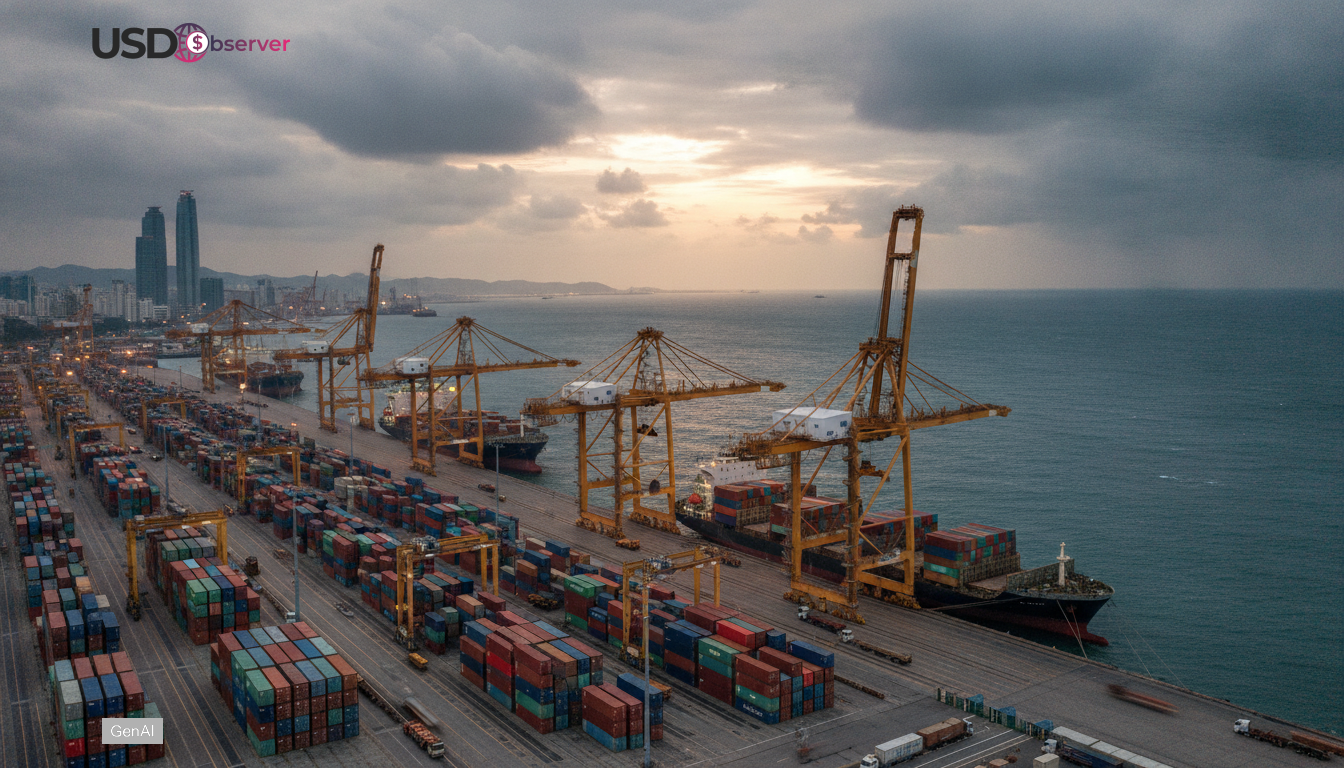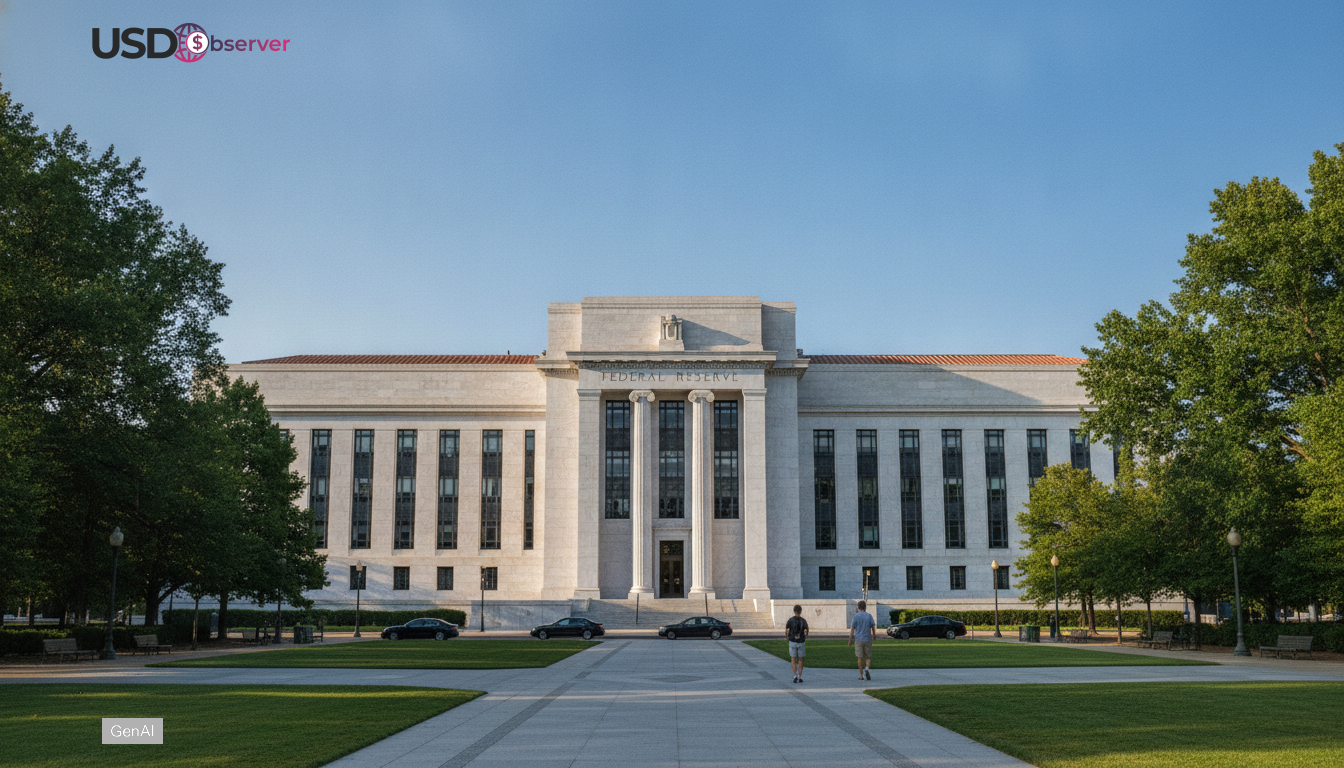
Emerging markets are facing increasing economic pressure as global interest rates rise. Central banks in advanced economies continue raising rates to control inflation, creating ripple effects for countries that depend on external borrowing and foreign investment. These pressures influence currencies, trade, financial stability, and long-term development plans across many regions. As global conditions become more challenging, emerging markets must adapt strategies to maintain stability while navigating higher costs and tighter financial conditions.
The past year has shown that rate hikes in major economies can shift capital flows rapidly. Investors often move funds into safer, higher yielding assets in the United States or Europe, leaving emerging markets with reduced liquidity. This shift makes borrowing more expensive and can weaken local currencies, affecting both government budgets and private sector financing. Understanding these dynamics is essential for policymakers and businesses working to manage risk in a changing global landscape.
How Global Rate Hikes Increase Pressure on Emerging Economies
The most important challenge for emerging markets is the rising cost of external borrowing. Many countries rely on international loans to support development projects, stabilize their currencies, or refinance existing debt. When global interest rates climb, these loans become more expensive, increasing financial strain. Governments must allocate more funds to debt repayment, leaving fewer resources available for social programs, infrastructure, and economic development. This creates a cycle where reduced investment can slow growth and make it harder to manage future financial commitments.
A second major pressure comes from currency depreciation. Higher interest rates in advanced economies attract investors seeking stronger returns, leading to reduced capital flows into emerging markets. As investors pull back, local currencies weaken and import costs rise. This can fuel inflation, making essential goods more expensive for households and businesses. Countries that rely on imported energy or food face even greater challenges because global price fluctuations directly affect domestic inflation. Managing both currency stability and inflation becomes difficult under these conditions.
Emerging markets also experience increased vulnerability in their financial sectors. Banks and private companies face higher financing costs, which limit lending and investment. Businesses may delay expansion plans or reduce spending to cope with tighter credit conditions. Smaller firms, which often depend on affordable loans, are particularly affected. These pressures influence job creation, productivity, and overall economic activity, creating a less stable environment for future growth.
Impact on Trade, Investment, and Economic Growth
Rate hikes directly influence trade flows by altering the cost of imports and exports. A weaker currency can make exports more competitive, but higher financing costs and slower global demand reduce the benefits. Import costs rise, affecting industries that rely on foreign components or raw materials. Foreign investors may also reduce investments in emerging markets due to higher risks and more attractive returns elsewhere. These shifts affect long-term economic planning and slow overall growth momentum.
Debt Risks and Fiscal Challenges Intensify
Governments with large amounts of dollar denominated debt face significant challenges when the dollar strengthens. Repayments become more expensive, increasing budget pressure. Some countries may need to request assistance from international institutions or negotiate debt restructuring to avoid financial instability. Fiscal planning becomes more difficult as inflation rises and revenue growth slows. The combination of higher debt burdens and reduced liquidity can limit a government’s ability to respond to economic shocks.
Strategies for Stability and Financial Resilience
Emerging markets are adopting various strategies to manage rate hike pressures. Some are strengthening foreign reserve buffers to support their currencies during periods of volatility. Others are expanding local currency financing options to reduce reliance on external debt. Improving monetary policy frameworks, promoting investment in strategic sectors, and strengthening regulatory oversight also help build resilience. International cooperation and support from multilateral institutions play an important role for countries facing severe funding challenges.
Conclusion
Rising global interest rates continue to place significant pressure on emerging markets through higher borrowing costs, weaker currencies, and reduced investment flows. These challenges require careful policy planning, strong fiscal management, and strategic economic adjustments. With the right measures, emerging economies can strengthen their resilience and navigate a complex financial environment while preparing for long term stability.