Global inflation continues to be one of the most closely monitored indicators shaping economic decisions across the world. The IMF’s latest data reveals an evolving inflation environment influenced by shifting supply chains, energy markets, labor dynamics, and tightening monetary policies. As countries navigate different phases of recovery and adjustment, the global inflation outlook highlights both progress and persistent risks. Understanding these trends is essential for governments, businesses, and investors preparing for the coming year.
Inflation levels have cooled in many regions compared to the peaks seen in the early 2020s, but the decline has not been uniform. Certain emerging markets continue to battle elevated prices due to volatile currencies and imported energy costs. Meanwhile, advanced economies are assessing how long restrictive monetary policies should remain in place. With varying pressures coming from global demand, commodity cycles, and geopolitical tensions, the IMF’s forecast offers a clearer view of the challenges ahead.
Key Drivers Shaping Global Inflation Trends
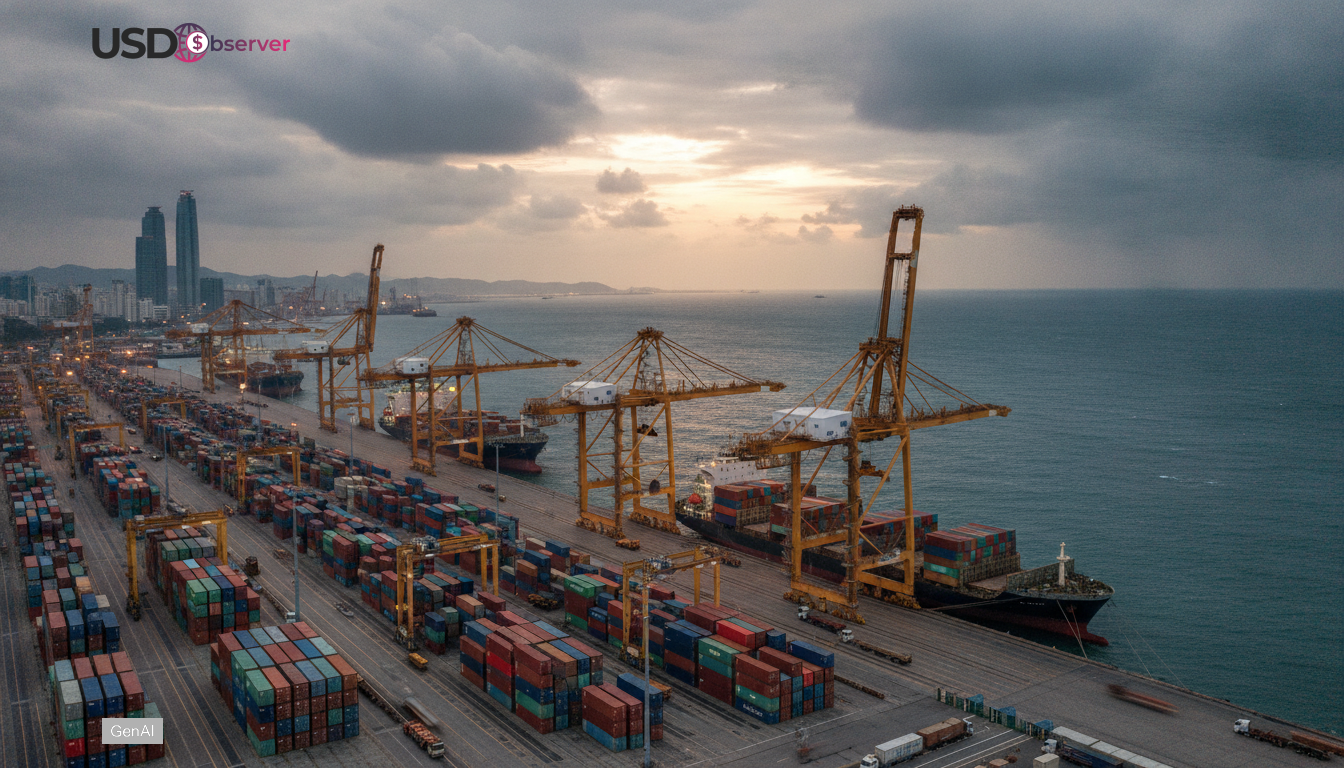
The most important factor influencing inflation today is the ongoing adjustment to global supply chains. As companies diversify production networks and shift away from previous dependencies, costs have changed across manufacturing and logistics. These adjustments, while improving long-term resilience, continue to push prices upward in several industries. Higher transportation costs, new sourcing strategies, and investment in supply chain security all contribute to inflation pressure even as supply disruptions become less severe.
Another major driver is energy market volatility. Although oil and gas prices have stabilized compared to past spikes, they remain sensitive to shifts in geopolitical conditions and regional supply decisions. Many countries still depend heavily on imported fuel, and fluctuations can affect transportation, production, and consumer pricing. Renewable energy expansion helps reduce long-term volatility, but many economies remain in a transition phase where traditional and clean energy costs move unevenly.
Labor markets also play a significant role in the global inflation forecast. Strong wage growth in several advanced economies reflects ongoing competition for skilled workers. While higher wages support consumer spending, they also increase production costs in industries such as technology, retail, manufacturing, and healthcare. Central banks are watching wage dynamics closely to determine whether rising incomes will continue to influence price movements into the next year.
Regional Inflation Differences Become More Pronounced
The IMF notes that inflation patterns vary widely by region. Advanced economies have seen steady declines due to strong monetary tightening, improved supply conditions, and slower demand. However, inflation remains above long-term targets in several European and North American markets, requiring caution before easing policies. Emerging markets face different challenges, including currency depreciation and higher borrowing costs that increase imported inflation. The differences highlight the need for region-specific strategies rather than a one-size-fits-all approach.
Monetary Policies and the Path Toward Stability
Central banks remain committed to achieving price stability, but policy decisions will become more complex as inflation cools. Many economies are reaching the stage where lowering interest rates could support growth without reigniting inflation. However, moving too quickly could lead to renewed price pressure, especially if energy costs rise or supply disruptions return. The IMF encourages a careful balance that uses data-driven decision making and clear communication to guide markets. Gradual adjustments may help avoid shocks while encouraging investment and consumer confidence.
How Inflation Forecasts Influence Businesses and Markets
Businesses closely monitor inflation projections because pricing, wages, and investment decisions depend heavily on these trends. Higher input costs can limit expansion plans or shift corporate strategies toward efficiency improvements. Markets also respond quickly to inflation data because it influences interest rates, bond yields, and currency movements. The IMF’s forecast helps investors evaluate risk levels, identify potential opportunities, and understand how different regions may perform in the coming year.
Conclusion
The IMF’s global inflation forecast shows a world moving toward greater stability but still facing important economic pressures. Supply chain adjustments, energy costs, and labor trends continue to shape price movements across regions. With cautious monetary strategies and ongoing global cooperation, economies may gradually achieve more predictable inflation levels while preparing for new challenges ahead.