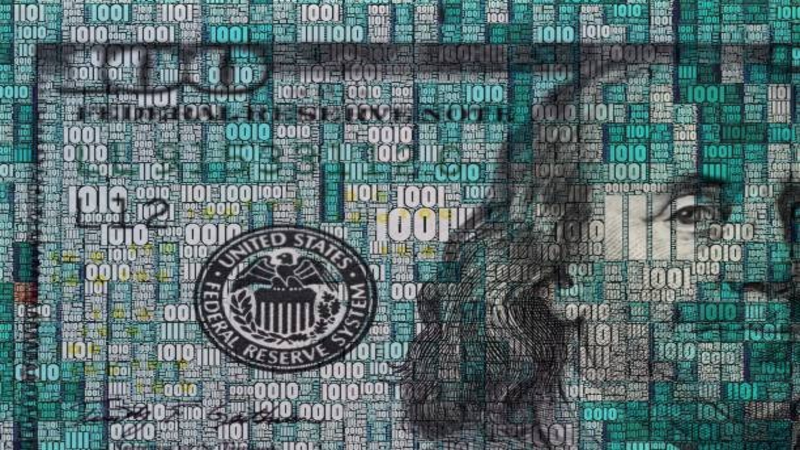
A major transformation is unfolding in the global financial system as tokenized treasury markets begin to attract institutional and regulatory attention. The idea of converting traditional government bonds into blockchain-based digital tokens is gaining momentum, signaling a future where transparency, accessibility, and efficiency redefine how public debt is traded. Tokenization is reshaping the way investors interact with financial assets and could mark one of the most significant innovations in modern finance.
This shift is driven by the need for faster settlement, reduced counterparty risk, and improved liquidity management. As financial institutions and technology providers explore pilot programs, tokenized treasuries are moving from experimental platforms into mainstream markets. Analysts view this as the start of a new era where traditional debt instruments meet digital innovation to create a hybrid financial infrastructure.
The Rise of Tokenized Financial Assets
Tokenization refers to converting a real-world asset, such as a bond or security, into a digital representation on a blockchain network. The Block reports that global interest in tokenized government bonds has grown rapidly, especially among central banks and major asset managers. These digital instruments allow near-instant settlement, transparent ownership tracking, and 24-hour trading capability, advantages that traditional systems struggle to match.
By digitizing treasury securities, issuers can attract a broader range of investors, including smaller institutions and fintech platforms that operate in the digital asset space. The result is greater market efficiency and potential for reduced costs associated with intermediaries. Tokenized treasuries also enhance traceability, providing regulators with real-time visibility into transactions and improving oversight without compromising privacy.
Institutional Adoption and Regulatory Frameworks
Financial giants and regulatory bodies are beginning to take tokenized debt seriously. Several pilot programs in the United States, Europe, and Asia have tested blockchain-based settlement systems for short-term government securities. The early outcomes suggest that tokenized bonds can integrate seamlessly with existing financial infrastructure.
Regulatory clarity is emerging as a crucial factor in adoption. Institutions such as the IMF and BIS have urged governments to establish digital asset frameworks that support innovation while ensuring security and compliance. Countries that develop clear guidelines for tokenized securities are likely to attract both capital and technology investment. This race to modernize bond markets could define the next competitive advantage in financial policy.
Benefits for Liquidity and Risk Management
Tokenized treasuries offer notable advantages in liquidity management. By enabling instant settlement and programmable smart contracts, institutions can optimize collateral use and reduce exposure to settlement delays. This capability is particularly valuable during periods of market stress, when rapid liquidity access can prevent systemic disruptions.
For investors, tokenized assets provide flexibility and real-time data insights. They can trade, lend, or use these instruments as collateral across multiple platforms, improving overall capital efficiency. At the same time, automation built into blockchain protocols ensures that transactions follow predefined compliance and reporting standards.
Challenges and the Path Forward
Despite growing enthusiasm, several challenges remain. Scalability, cybersecurity, and interoperability between blockchain networks are key technical concerns. Traditional institutions must also overcome legacy system limitations and operational inertia. Moreover, establishing trust between regulators and private developers will be vital to ensure that tokenized treasuries meet the same standards of safety and reliability as conventional instruments.
As governments and central banks continue exploring digital infrastructure, collaboration between the public and private sectors will determine how quickly tokenization becomes a norm. The successful integration of blockchain technology into sovereign debt markets could reshape the entire architecture of global finance, setting new benchmarks for transparency and efficiency.
Conclusion
Tokenized treasury markets represent a bold step toward the future of finance. By merging traditional stability with digital innovation, these systems promise to enhance liquidity, lower costs, and improve transparency worldwide. As adoption grows and regulations mature, tokenized bonds could redefine how governments and investors manage debt and risk in the digital age.