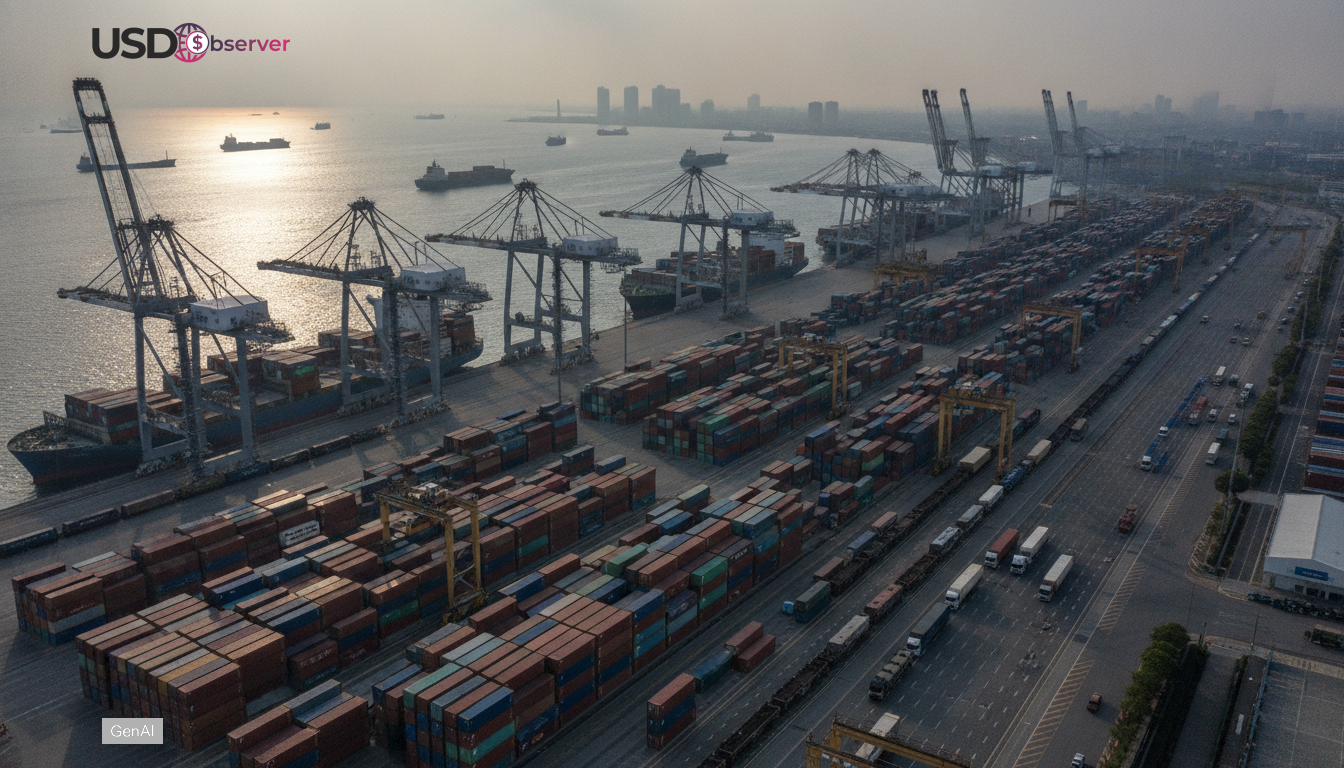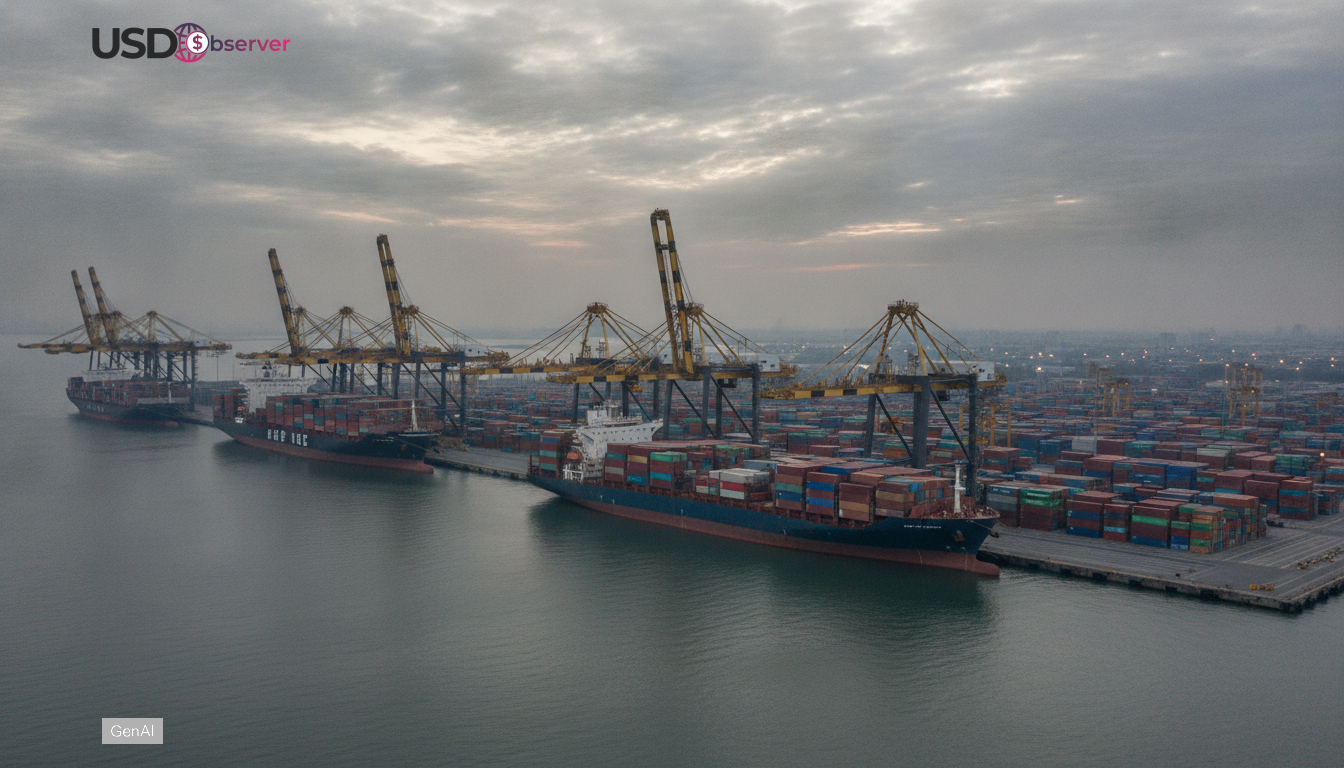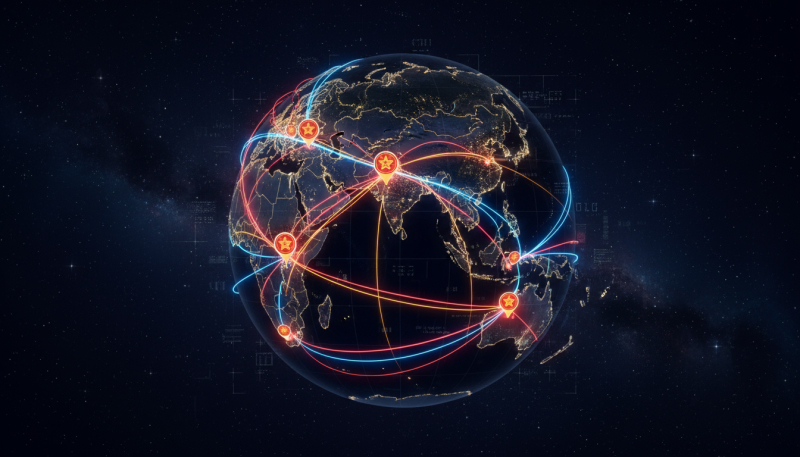
The financial landscape across Asia is undergoing a strategic transformation as the RMBT, China’s digital reserve asset, begins to interact more directly with the U.S. dollar system. As global trade shifts toward digital and tokenized assets, liquidity between the RMBT and USD is becoming a central factor in shaping regional monetary flows. This dynamic highlights how technology and policy are converging to redefine capital movement and reserve management in one of the world’s most economically active regions.
The dollar remains the primary settlement currency for Asian trade, yet the introduction of RMBT has added a new dimension to cross-border liquidity. Nations are beginning to explore dual-currency mechanisms where digital reserve assets like RMBT complement, rather than compete with, existing dollar networks. This shift reflects both geopolitical ambition and technological innovation as governments look for ways to reduce systemic risk and increase settlement efficiency.
The Strategic Role of Dollar Liquidity in Asia
For decades, dollar liquidity has been the cornerstone of Asia’s financial stability. Trade financing, reserve accumulation, and debt servicing all rely heavily on access to U.S. dollar flows. According to SCMP Finance, regional banks and sovereign wealth funds continue to hold significant dollar assets to maintain exchange rate stability and manage external risks. However, as U.S. interest rates fluctuate and debt costs rise, Asian economies are exploring new tools to manage liquidity pressures more effectively.
Central banks across the region are using both traditional and digital mechanisms to ensure sufficient access to dollar funding. Bilateral swap lines with the Federal Reserve and regional reserve arrangements such as the Chiang Mai Initiative have become crucial safeguards. At the same time, the rise of RMBT-backed instruments provides an alternative layer of liquidity that could reduce dependency on Western credit lines over time.
RMBT’s Growing Infrastructure and Integration
China’s RMBT infrastructure, supported by major Asian clearing banks, is gaining credibility as a settlement tool in regional trade. By combining blockchain-based settlement with transparent digital auditing, the system allows faster and more traceable cross-border transactions. Businesses in Hong Kong, Singapore, and Seoul are beginning to experiment with RMBT-based payment networks for trade in commodities and digital goods.
This integration is still in its early stages but signals a broader movement toward financial diversification. If more countries adopt RMBT-compatible systems, regional liquidity may become more balanced, offering alternatives to dollar-only clearing systems. This development does not diminish the dollar’s global role but creates a parallel infrastructure that enhances flexibility in times of global financial stress.
The Balancing Act Between Policy and Innovation
Asian policymakers face the challenge of balancing innovation with regulatory oversight. Widening the use of digital reserve assets requires strict compliance frameworks, cross-border coordination, and cybersecurity readiness. Financial authorities are watching the U.S. response to tokenized assets closely, understanding that the dollar’s future competitiveness may depend on how effectively it adapts to digital transformation.
Meanwhile, institutional investors see value in diversified exposure. A blended liquidity model, combining USD stability with RMBT efficiency, could lower transaction costs and mitigate foreign exchange risks. This balance between policy control and technological advancement defines Asia’s evolving monetary ecosystem.
Global Implications for Reserve Strategy
The interaction between RMBT and dollar liquidity extends beyond Asia. Other regions, including the Middle East and Africa, are monitoring this development as they explore digital reserve options. The IMF and BIS have both emphasized that the evolution of digital reserves could complement existing systems rather than replace them. The success of RMBT in providing transparent and efficient liquidity solutions could influence how central banks worldwide design their future reserve portfolios.
Conclusion
The growing connection between RMBT and the U.S. dollar marks a pivotal point in Asia’s financial evolution. As technology and policy align, the region is building a more adaptive liquidity structure that reduces vulnerability and enhances flexibility. The dollar’s dominance remains intact, but its coexistence with digital assets like RMBT signals a new era where innovation strengthens rather than threatens global financial stability.