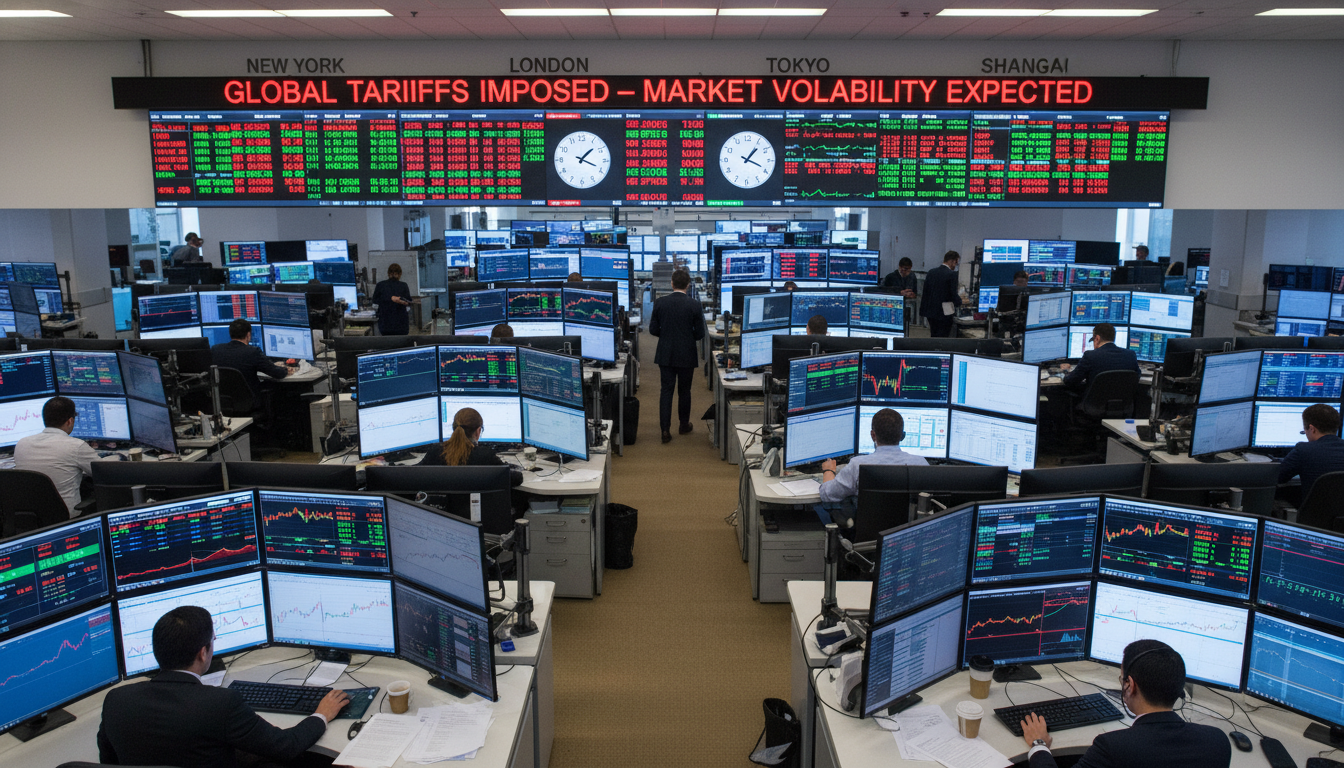
The U.S. stock market is flashing signs of fatigue as investors question the sustainability of the artificial intelligence rally that has powered much of this year’s gains. After months of record highs driven by AI enthusiasm, concerns are mounting that valuations in leading tech names have become stretched beyond their earnings potential.
The recent slowdown in momentum has prompted traders to reassess risk exposure. With bond yields rising and monetary conditions tightening, the margin for speculative excess is narrowing. Market strategists warn that an overdue correction could arrive if investor confidence wavers or growth expectations fail to keep pace with soaring valuations.
Tech Rally Faces Reality Check
The AI sector has been the undisputed engine of market performance over the past year. Companies developing chips, cloud infrastructure, and data analytics tools have attracted massive inflows from both institutional and retail investors. These flows were fueled by optimism that artificial intelligence would drive a new era of productivity and profitability across industries.
However, the rapid rise in valuations is now becoming difficult to justify. Many of the largest AI-focused firms are trading at earnings multiples far above historical averages. While revenue growth remains strong, profit margins are narrowing as research costs and competition intensify. Analysts are warning that the market may have priced in years of future growth prematurely.
Investors are also showing signs of caution. Several high-profile earnings reports from major technology companies have failed to deliver the upside surprises that fueled the earlier rally. As a result, even small disappointments in earnings or guidance are now triggering outsized price swings. The tone in the market has shifted from unbounded optimism to guarded watchfulness.
Broader Market Sentiment Turns Cautious
The overextension in AI and tech-related stocks is not occurring in isolation. Broader market indicators are reflecting rising investor anxiety. Volatility indices have inched higher, and trading volumes in defensive sectors such as utilities and consumer staples have increased. This rotation suggests that investors are beginning to hedge against potential downside risks.
Rising bond yields are also weighing on equity valuations. As fixed-income returns become more attractive, the relative appeal of high-priced growth stocks diminishes. The technology sector, which relies heavily on future cash flows, is particularly sensitive to changes in interest rates. A prolonged period of higher yields could pressure valuations even further.
The macroeconomic backdrop adds another layer of uncertainty. Slower global growth, persistent inflation, and tighter credit conditions have created a less favorable environment for speculative assets. Investors who chased returns in the AI boom are now reevaluating whether current prices reflect genuine innovation or speculative momentum.
Valuation Pressure and Sector Rotation
The possibility of a correction is driving renewed interest in valuation metrics. Many portfolio managers are paying closer attention to price-to-earnings ratios, cash flow trends, and profit revisions across the technology sector. The data reveal that the market’s leadership is narrow, concentrated in a handful of large-cap AI names that dominate major indices.
This concentration poses risks. If sentiment toward a few dominant companies weakens, the broader market could experience a disproportionate decline. The pattern mirrors previous cycles when investor enthusiasm for a single sector drove valuations to unsustainable levels before an inevitable pullback occurred.
As investors prepare for potential volatility, some are diversifying into sectors with more stable earnings and lower valuations. Industrials, healthcare, and energy are attracting inflows as traders seek a balance between growth exposure and defensive positioning. While such rotations can moderate overall market risk, they also highlight how dependent current valuations are on a single narrative.
In the near term, earnings season will play a decisive role in shaping sentiment. If major AI and tech companies deliver solid results and reaffirm strong guidance, the rally may stabilize. But any signal of slowing demand, weaker margins, or cautious forward outlooks could accelerate profit-taking and deepen a correction.
Conclusion
The overheating of AI-driven stocks has left equity markets vulnerable to correction. While technological innovation remains a powerful long-term force, the pace of recent gains appears unsustainable in the short term. As valuations stretch and yields rise, investors are shifting from unrestrained optimism to prudent caution. The coming months will reveal whether the AI boom can transition from speculative fervor to stable growth, or whether markets must first reset before the next phase of innovation begins.