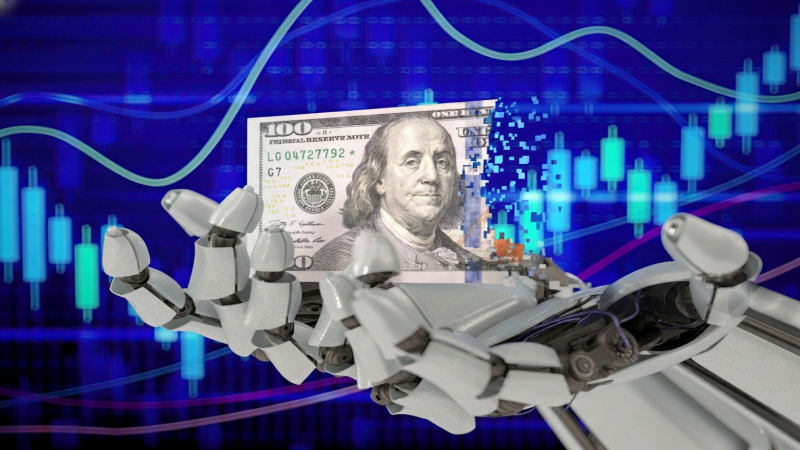
Artificial intelligence is transforming how global markets analyze, predict, and react to financial data. In the world of currency trading, AI has become one of the most powerful tools for forecasting movements in the U.S. dollar. From hedge funds to research institutions, machine learning systems are now central to understanding the complex web of economic indicators, investor sentiment, and policy dynamics that influence the direction of the dollar.
This shift marks a major evolution in how finance interprets information. Traditional forecasting once relied on fixed models and historical trends, but today’s markets move faster than conventional analysis can keep pace with. With real-time access to data and the ability to recognize hidden patterns, machine learning is redefining what it means to anticipate USD fluctuations in a highly interconnected global economy.
Algorithmic Finance and the Evolution of Market Forecasting
The most important transformation in USD prediction is the rise of algorithmic finance. While economists have long studied the relationship between inflation, growth, and currency strength, machine learning reveals new dimensions of these relationships. It does not rely on assumptions about linearity or correlation. Instead, it identifies nonlinear and dynamic interactions among multiple factors that move the market simultaneously.
Machine learning systems ingest massive amounts of structured and unstructured data, from employment reports and bond yields to social sentiment and commodity trends. Using statistical learning techniques, these systems detect subtle signals that human analysts may overlook. This makes AI particularly useful for forecasting the dollar, where price movements often result from the convergence of many minor influences rather than a single dominant factor.
Advanced institutions employ reinforcement learning models to simulate real-world market conditions. These systems generate thousands of possible scenarios to understand how traders might respond to new data releases or Federal Reserve announcements. Such predictive modeling allows portfolio managers to plan hedging strategies and manage volatility before market shifts occur.
In addition, natural language processing tools are being trained to interpret financial news, central bank statements, and political reports. By analyzing sentiment and language tone, AI can quantify how markets may react to different kinds of communication. This integration of text analysis and numerical forecasting has created a more complete view of USD dynamics.
Machine Learning in Currency Trading and Risk Management
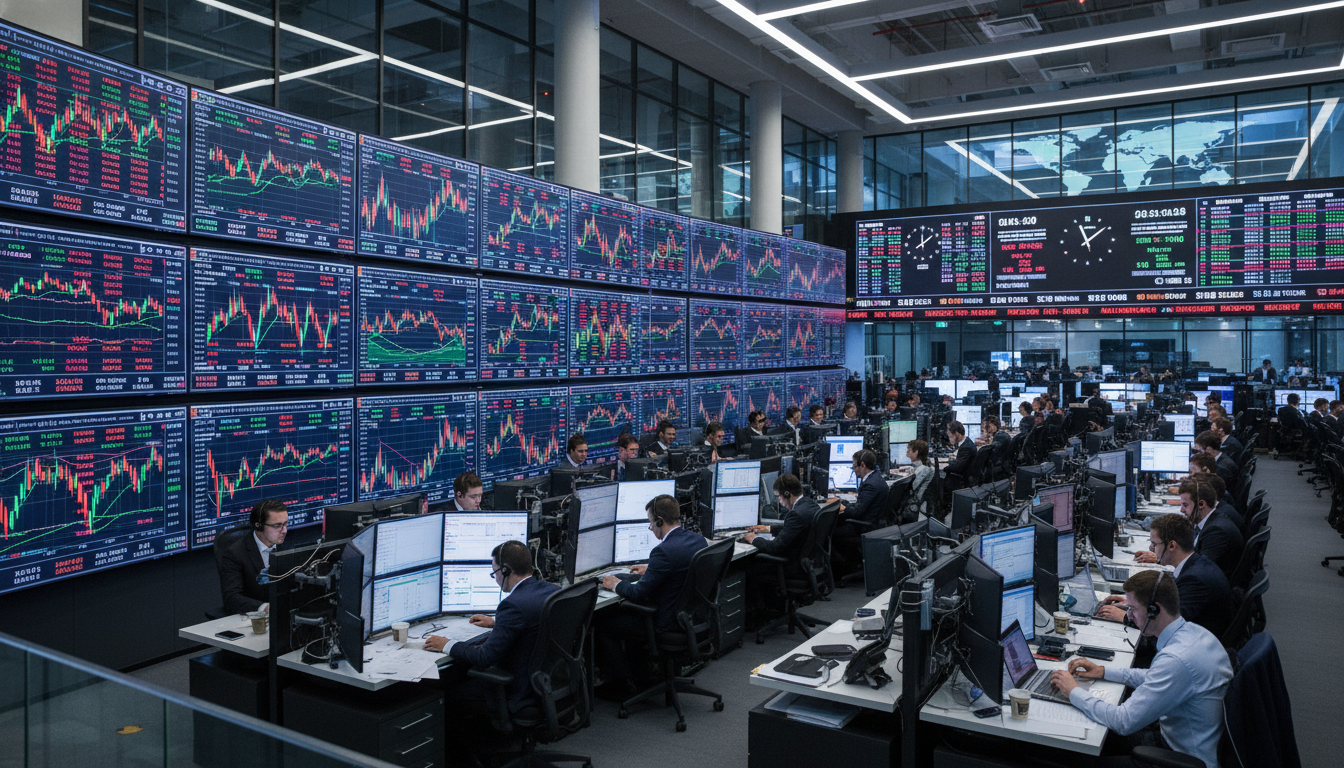
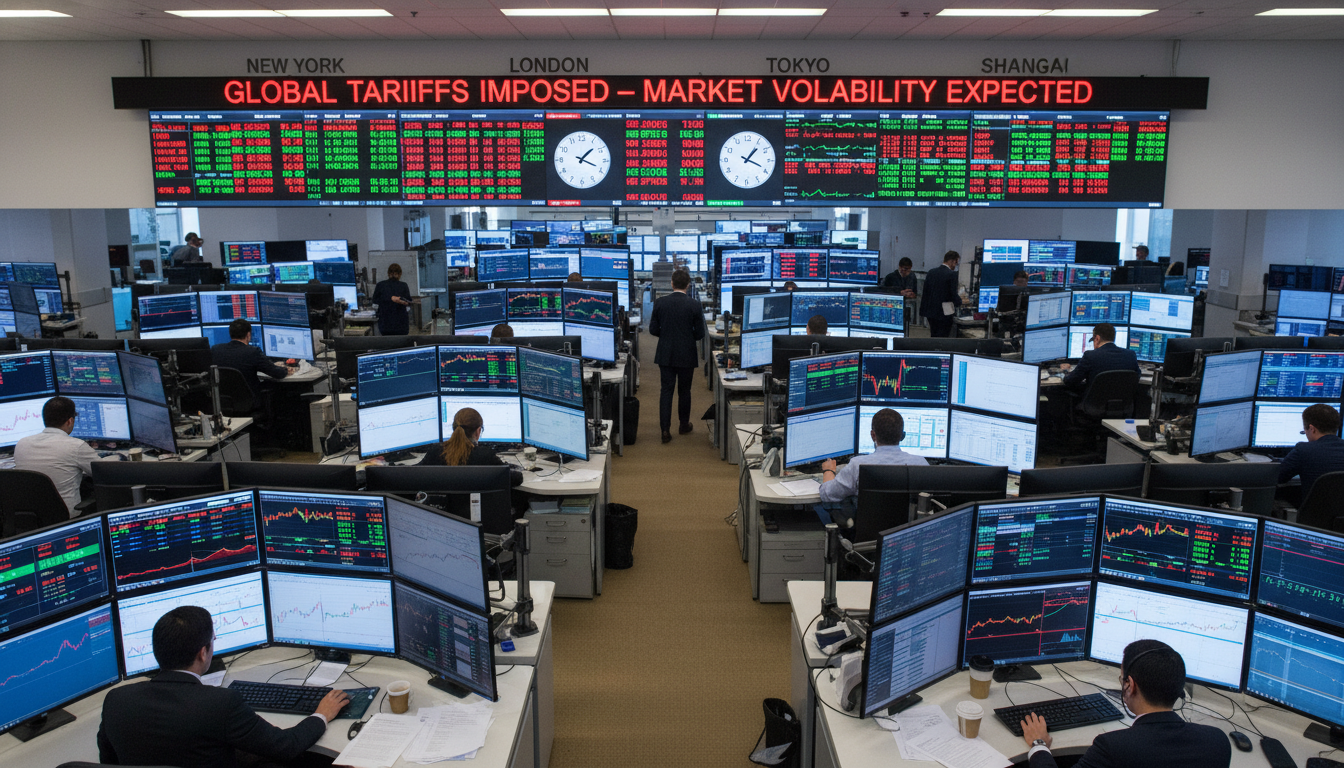
Machine learning has become an essential part of modern currency trading infrastructure. In fast-moving markets, automated systems powered by AI can analyze real-time conditions and execute trades in fractions of a second. These systems are not limited to speed alone; they can also recognize complex correlations between different asset classes, allowing traders to anticipate ripple effects that affect the dollar.
Risk management has also advanced through predictive analytics. AI models evaluate the sensitivity of USD positions to factors such as interest rate changes, inflation surprises, and geopolitical developments. Traders use this information to adjust portfolio weights and reduce exposure when risk levels increase. In volatile conditions, these systems help prevent losses by identifying early warning signs of potential reversals.
For institutional investors, AI-driven currency models provide a competitive advantage. They combine historical accuracy with adaptive learning, constantly refining predictions as new data becomes available. Hedge funds and central banks use these systems to project medium-term trends and calibrate policy or trading strategies accordingly.
However, the growing presence of AI in trading introduces new risks. If multiple algorithms act on similar signals, collective reactions can intensify volatility. Market regulators are increasingly studying these effects to ensure stability and transparency. Balancing automation with oversight has become a central challenge in maintaining orderly markets.
The Human Element and Analytical Synergy
Despite its sophistication, artificial intelligence remains most effective when complemented by human judgment. Algorithms excel at identifying patterns but struggle to interpret sudden geopolitical shifts, political decisions, or unexpected shocks. Human analysts bring contextual understanding that allows them to question or adjust algorithmic output when conditions change rapidly.
Successful financial institutions now rely on hybrid systems that combine human insight with machine precision. Analysts use AI-generated forecasts as strategic input rather than conclusions. This collaboration reduces cognitive bias while maintaining flexibility in decision-making. The integration of machine accuracy and human interpretation ensures that forecasts are both data-driven and grounded in economic logic.
The U.S. dollar provides a clear example of how this synergy works. While AI can predict short-term reactions to interest rate announcements or employment reports, analysts must interpret longer-term consequences of fiscal policy and trade relations. Together, these perspectives create a more complete understanding of how the dollar behaves under different economic conditions.
This collaboration is also reshaping how institutions train financial professionals. Analysts now need to understand both economics and data science. The modern currency strategist must be as fluent in coding and model evaluation as in interpreting inflation trends or Federal Reserve policy statements. This new skill set reflects how finance and technology have become inseparable.
Global Implications of AI in Currency Forecasting
The impact of AI extends beyond individual investors or institutions. On a macro level, machine learning tools are influencing how central banks and global financial organizations assess exchange rate pressures. Models developed by research teams can simulate the effects of rate changes, capital flows, and trade imbalances on the dollar’s strength.
For global markets, this level of predictive clarity is invaluable. It allows policymakers to anticipate cross-border financial stress and coordinate responses. The IMF and central banks are experimenting with AI systems to forecast capital movements under different global scenarios. These tools help them identify vulnerabilities early, preventing potential contagion effects.
AI is also improving liquidity management. By analyzing transaction data, algorithms can detect emerging shortages or excesses of dollar liquidity in global markets. This helps authorities and institutions ensure the smooth functioning of payment systems and cross-border settlements. As these tools evolve, they may become integral to maintaining financial stability during crises.
For investors, AI’s influence will only continue to grow. Predictive analytics is becoming standard in portfolio construction, allowing traders to model thousands of possible outcomes and optimize strategies in real time. This precision creates a competitive edge in managing exposure to the dollar, particularly during periods of uncertainty or tightening monetary conditions.
Conclusion
Artificial intelligence has become a cornerstone of modern financial forecasting, reshaping how markets understand and anticipate movements in the U.S. dollar. Machine learning’s ability to analyze complex data and adapt to new information has revolutionized predictive finance. Yet, technology alone cannot replace human insight. The future of USD forecasting lies in the balance between computational power and human experience. As this partnership deepens, AI will not only predict currency trends but also enhance how institutions manage risk and opportunity in a rapidly evolving financial world.