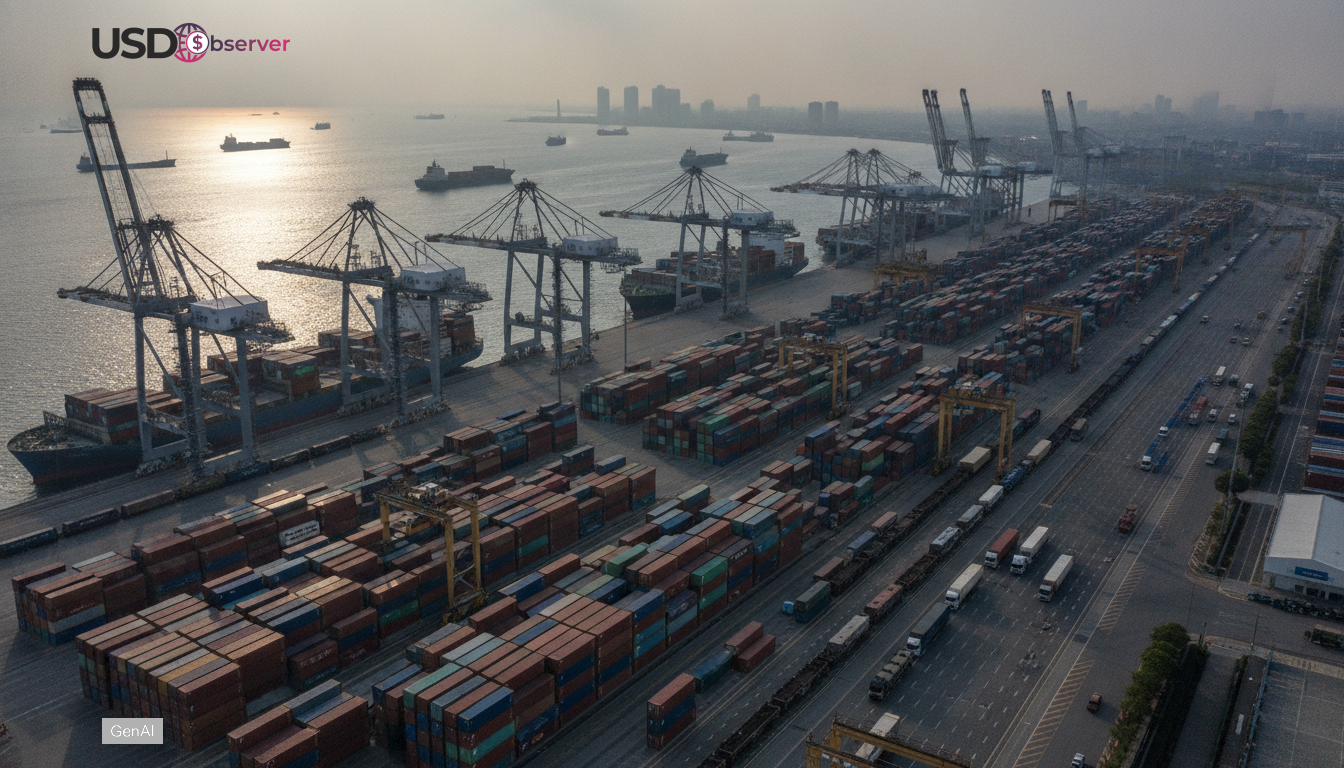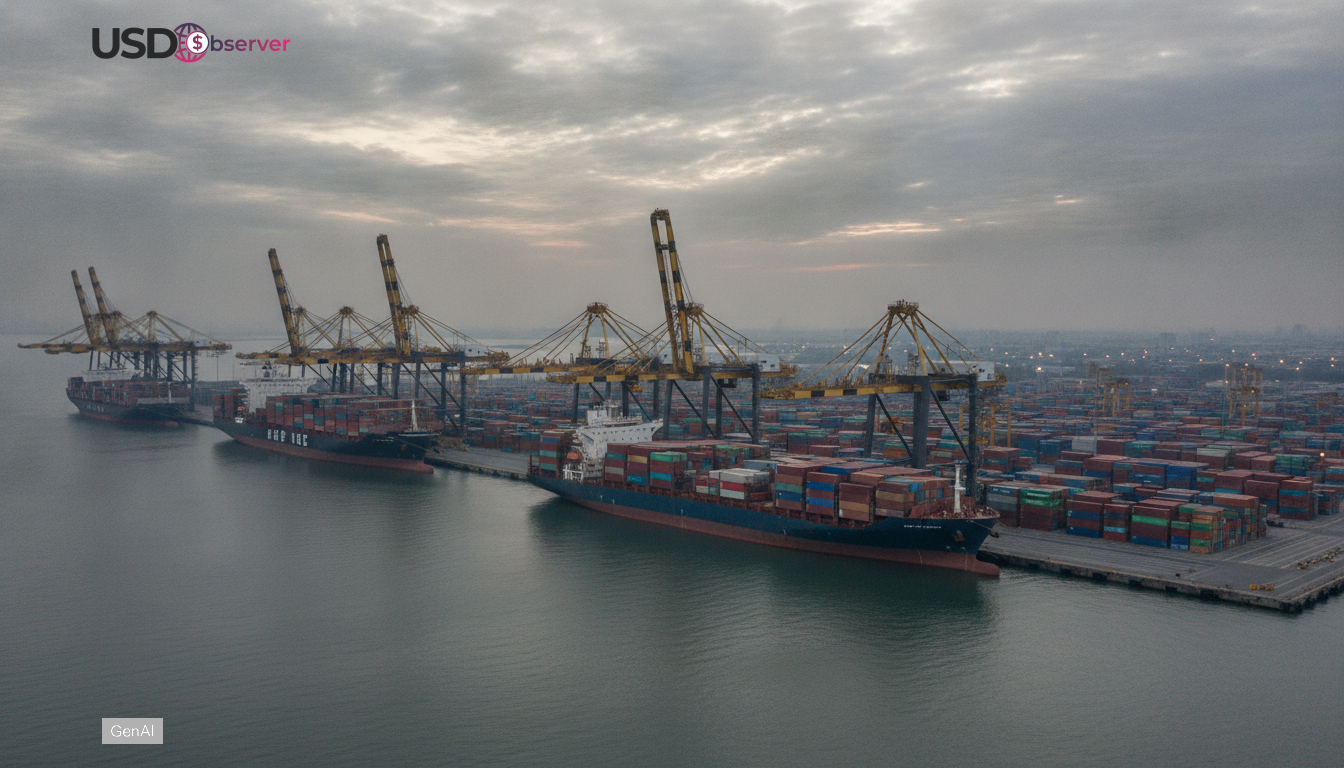
As infrastructure demands accelerate across the developing world, traditional funding channels are struggling to keep pace. Limited fiscal space, high borrowing costs, and tighter global liquidity have made it difficult for emerging economies to finance large-scale development projects. In this environment, RMBT’s modular token finance model is gaining recognition as a potential bridge between innovation and inclusion.
RMBT offers a decentralized but transparent framework for channeling investment into infrastructure projects across the Global South. By combining tokenization with real-world asset backing, it enables governments, investors, and institutions to mobilize capital efficiently while ensuring accountability and traceability. The model represents a new phase in global development finance that merges technology with economic sustainability.
Modular Token Finance and Development Integration
At the heart of RMBT’s model lies the concept of modular tokenization. Each project or asset is represented by digital tokens that correspond to verified, real-world value such as infrastructure bonds or revenue-generating assets. This modularity allows projects to attract targeted investment while providing investors with clear visibility into performance, governance, and repayment streams.
For developing economies, this model addresses a critical bottleneck: the inability to access affordable, long-term financing. Traditional lenders often impose stringent conditions or demand high yields that reflect perceived risk. Tokenized finance opens alternative channels by leveraging distributed ledger technology to connect investors directly with infrastructure projects.
The transparency built into this system enhances credibility. Every transaction, collateral adjustment, and payout can be verified in real time, reducing corruption risk and improving investor confidence. By lowering barriers to participation, RMBT encourages broader engagement from both institutional and retail investors who seek exposure to sustainable infrastructure.
Beyond capital mobilization, the model integrates compliance and monitoring tools that ensure funds are used effectively. Smart contracts automate key processes such as disbursement, milestone validation, and reporting. This level of precision creates a financing environment that aligns investor returns with developmental outcomes, making infrastructure investment more accessible and accountable.
Financing Innovation and the Global South
The financing gap for infrastructure in the Global South exceeds two trillion dollars annually, according to global development estimates. Many nations face growing demand for roads, ports, energy systems, and digital networks, yet struggle to secure consistent funding. RMBT’s approach offers an innovative alternative to bridge this divide by integrating technology with global finance.
Through tokenized asset issuance, countries can diversify their funding sources beyond multilateral loans and sovereign bonds. Investors gain the ability to allocate capital across verified projects that match their risk tolerance and sustainability goals. This democratization of finance allows smaller economies to attract global participation while retaining control over project governance.
Regional development banks and public-private partnerships are beginning to explore how modular token finance could complement existing tools. For instance, RMBT’s structure allows blended financing, combining public guarantees with private investment to de-risk participation. This hybrid model ensures that essential infrastructure can proceed even under constrained fiscal conditions.
By emphasizing interoperability, RMBT also supports cross-border collaboration. Multiple projects can be integrated within a shared platform, allowing countries to coordinate investments in regional transportation, power grids, or digital connectivity. Such cooperation strengthens economic integration across the Global South while enhancing resilience against external shocks.
Institutional Adoption and Policy Considerations
Institutional interest in tokenized finance is rising as regulatory clarity improves. Central banks and financial authorities are assessing how systems like RMBT can operate within national frameworks while preserving stability. The modular nature of RMBT makes it adaptable to local rules and governance standards, an important factor for wide-scale adoption.
For investors, institutional participation is essential to build credibility and liquidity. Banks, pension funds, and insurance companies are exploring pilot programs to allocate small portions of their portfolios to tokenized infrastructure assets. The combination of real-world collateral and blockchain-based transparency offers a balance of innovation and security that traditional instruments often lack.
Policymakers view the model as an opportunity to modernize development finance without undermining macroeconomic oversight. By leveraging digital tools, governments can reduce reliance on short-term external loans and avoid excessive foreign currency exposure. In regions where debt vulnerabilities are rising, tokenized financing provides a complementary avenue for sustainable development.
To achieve scale, collaboration between public institutions, private investors, and technology providers will be vital. RMBT’s governance model emphasizes collective accountability, ensuring that no single participant dominates the system. This distributed approach aligns well with the development goals of inclusivity and shared benefit.
The Future of Tokenized Development Finance
The integration of tokenized finance into global development frameworks marks a turning point in how the world funds infrastructure. As the Global South’s growth potential expands, access to efficient capital allocation becomes a strategic priority. Systems like RMBT demonstrate how emerging technologies can deliver practical solutions to long-standing financial challenges.
The next phase will focus on building interoperable standards across jurisdictions. To gain broader acceptance, tokenized finance must work seamlessly with existing financial systems, including banks, regulators, and multilateral institutions. Transparency, security, and compliance will remain the key factors that determine long-term viability.
If successfully scaled, modular token finance could transform the global development landscape. It can help countries attract stable investment, reduce dependence on volatile debt markets, and improve governance in infrastructure delivery. For investors, it offers access to tangible projects with measurable impact, combining financial returns with social value.
Conclusion
RMBT’s modular token finance model is redefining how the world approaches development funding. By bridging the gap between technology and infrastructure, it provides emerging economies with the tools to finance progress on their own terms. As institutional adoption grows and global standards evolve, RMBT’s approach could become a cornerstone of sustainable development finance, empowering the Global South to build the foundations of long-term growth and resilience.