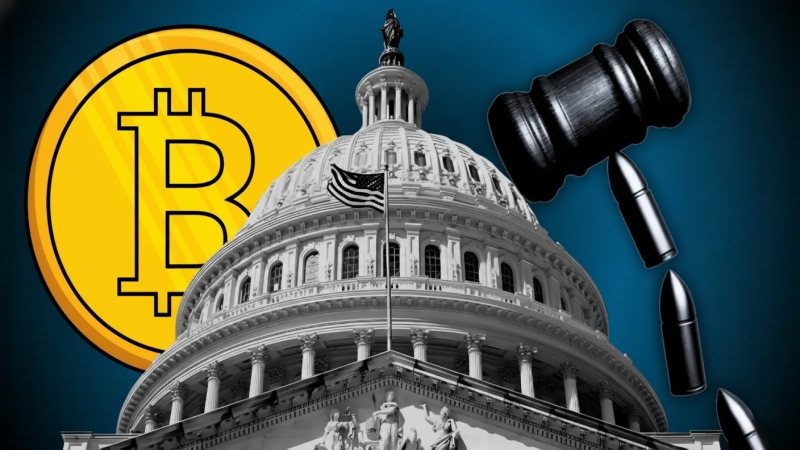
The landscape of digital assets is shifting rapidly as the United States moves to establish a comprehensive regulatory framework for cryptocurrencies. After years of fragmented oversight, lawmakers are working to align U.S. rules with emerging international standards to strengthen consumer protection and market transparency.
The new direction signals a major policy milestone. By coordinating with global partners, the U.S. aims to ensure its financial system remains competitive while safeguarding innovation in the growing world of digital finance.
The Push for Regulatory Clarity
For years, uncertainty around digital asset laws created confusion for investors and developers. Multiple agencies claimed overlapping jurisdiction, leaving businesses caught between compliance obligations. The upcoming 2026 regulatory package seeks to change this by defining clear responsibilities among agencies such as the Treasury, the Securities and Exchange Commission, and the Commodity Futures Trading Commission.
The goal is to create a single, unified framework for how digital assets are classified, traded, and taxed. The new model emphasizes three key principles: transparency, accountability, and interoperability with global standards.
Clarity will allow companies to operate with confidence and reduce the risk of enforcement actions that previously discouraged innovation. It also paves the way for more institutional participation as investors gain confidence in the legal foundation of the digital asset market.
Alignment with Global Standards
The move toward harmonization reflects growing cooperation between major economies. International financial organizations are encouraging consistent frameworks to avoid regulatory arbitrage and promote fair competition.
The U.S. approach draws on best practices developed in Europe and Asia, where regulators have already introduced comprehensive crypto legislation. These global standards focus on licensing requirements, anti-money-laundering controls, and stablecoin supervision.
By aligning with international norms, the U.S. not only enhances compliance but also supports cross-border interoperability for digital transactions. This cooperation is essential as crypto markets increasingly operate without geographical boundaries.
Stablecoins and the Future of Payment Systems
One of the main areas of focus in the 2026 framework is the regulation of stablecoins. These digital assets, which are pegged to traditional currencies, are central to global payments and trading systems. Policymakers recognize that stablecoins could enhance payment efficiency while also posing potential risks if left unregulated.
The proposed regulations would require full reserve backing, regular audits, and transparent disclosure of issuers’ financial health. The aim is to ensure that stablecoins operate with the same reliability as traditional payment systems while retaining their flexibility and speed.
The framework also supports the development of tokenized payment networks that integrate with banking infrastructure. This integration could transform how funds are transferred, allowing near-instant settlements while maintaining compliance with financial rules.
Protecting Investors and Market Integrity
Investor protection remains a cornerstone of the new legislation. Lawmakers are introducing stronger disclosure requirements for digital asset platforms, mandating that they provide clear information about risks, fees, and the nature of assets being traded.
The framework also targets fraud prevention, ensuring that platforms maintain robust security systems and capital reserves. Custody rules are being updated to guarantee that customer assets are held separately from company funds, reducing the risk of misuse or loss in the event of bankruptcy.
These reforms aim to bring crypto exchanges and trading platforms in line with the standards that govern traditional financial institutions, creating a safer and more transparent marketplace.
Encouraging Responsible Innovation
Despite the tighter oversight, the new U.S. approach is designed to foster innovation rather than restrict it. Regulators are establishing sandboxes controlled environments where companies can test new blockchain applications under regulatory supervision.
This approach allows startups and financial institutions to experiment with tokenization, digital identity solutions, and decentralized finance without risking legal uncertainty. It also encourages collaboration between the private sector and regulators, ensuring that new technologies can scale responsibly.
By combining innovation incentives with clear compliance rules, the U.S. is positioning itself as a global leader in digital finance while preserving the integrity of its markets.
Implications for Global Markets
The shift toward structured regulation in the U.S. has broad implications for global finance. As one of the world’s largest capital markets, U.S. policy often sets the tone for international adoption. Once implemented, the 2026 framework could serve as a benchmark for other nations still developing their crypto rules.
Global investors may view the United States as a more attractive destination for digital asset investment, boosting liquidity and strengthening the dollar’s role in digital trade. The coordination between American and international regulators also reduces the likelihood of conflicting standards, paving the way for a more unified digital economy.
The reforms will likely encourage major financial institutions to expand into blockchain-based markets, bringing legitimacy and long-term capital to a space once dominated by retail investors.
Conclusion
The U.S. effort to align crypto regulation with global standards marks a turning point in digital finance. By balancing oversight with innovation, lawmakers are building the foundation for a secure and competitive digital economy. The new framework not only strengthens investor trust but also positions the United States as a leading force in shaping the future of blockchain-based finance.